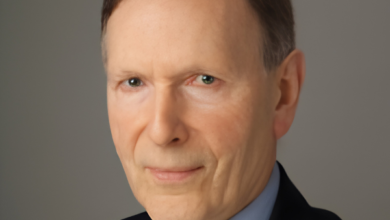
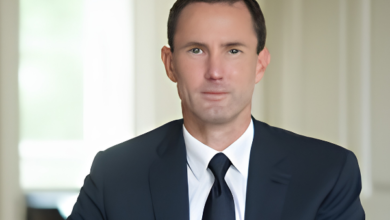
Arthur Hutchinson: The Influential Policy Leader Shaping UK Climate Trade Strategy
Uncovering the Life, Career, and Contributions of a Modern Government Policy Expert


Arthur Hutchinson is a prominent UK government policy professional currently serving as Head of Policy and Engagement for the Carbon Border Adjustment Mechanism (CBAM) at the Department for Business and Trade in London. Recognized for his expertise in policy development, stakeholder engagement, and strategic implementation, Hutchinson plays a pivotal role in shaping the UK’s approach to carbon pricing at the border. His work ensures that domestic climate goals are met while maintaining fair trade practices, influencing industries and international partners alike.
Introduction: Who Is Arthur Hutchinson?
Arthur Hutchinson is a key figure in contemporary UK government policy. Based in London, England, he holds the critical role of Head of Policy and Engagement for the CBAM at the Department for Business and Trade. In this capacity, Hutchinson is responsible for crafting, implementing, and communicating policy measures related to carbon pricing on imported goods—a mechanism that aligns with the UK’s commitment to achieve net-zero carbon emissions.
While many historical figures have shared the name Arthur Hutchinson, including renowned scientists and academics, this article focuses on the living policy professional who is actively shaping climate-related trade strategy in the UK today. His career exemplifies the intersection of government policy, environmental responsibility, and international trade.
Arthur Hutchinson’s Role in UK Policy
Head of Policy and Engagement for CBAM
In his current role, Arthur Hutchinson oversees a portfolio centered on the Carbon Border Adjustment Mechanism (CBAM), a groundbreaking policy designed to address carbon leakage and ensure that imported goods face the same carbon accountability as domestic products. His responsibilities include:
-
Developing and refining CBAM policies to align with national and international climate targets.
-
Engaging with a wide range of stakeholders, from government ministers to private sector representatives, to ensure smooth policy implementation.
-
Translating complex policy frameworks into actionable guidance for industries impacted by CBAM.
-
Strategic oversight of policy communication, ensuring clarity, consistency, and effectiveness in messaging across government and public platforms.
Through these responsibilities, Hutchinson ensures that the CBAM operates as a fair and effective mechanism for promoting sustainable practices while protecting UK industries from competitive disadvantages.
Understanding the Carbon Border Adjustment Mechanism (CBAM)
The CBAM is a crucial policy initiative aimed at supporting the UK’s climate objectives. Its core purpose is to prevent carbon leakage, where emissions-intensive production moves abroad due to domestic carbon pricing. By placing a carbon price on specific imported goods, CBAM creates parity between domestic and international production, ensuring fair competition.
Key sectors targeted by CBAM include:
-
Steel
-
Cement
-
Aluminium
-
Fertilizers
-
Hydrogen
CBAM not only promotes cleaner supply chains but also encourages global cooperation on carbon reduction. Hutchinson’s role is essential in ensuring that these mechanisms are effectively implemented, understood by industry participants, and aligned with the UK’s trade and climate policy objectives.
Arthur Hutchinson’s Professional Journey
While specific details about Hutchinson’s early life and education are limited, his professional trajectory reflects extensive experience in public policy, trade, and environmental regulation. Policy professionals at his level typically possess:
-
Advanced knowledge of environmental economics or international trade
-
Experience in policy development and regulatory compliance
-
Strong stakeholder management skills, including engagement with government ministers, industry leaders, and civil society
Hutchinson’s current leadership position indicates a career built on a foundation of policy expertise, strategic communication, and operational execution in government affairs.
Arthur Hutchinson Age
Currently, Arthur Hutchinson’s exact age is not publicly disclosed. Unlike historical or widely publicized figures, living government professionals often maintain privacy regarding personal details. As a result, there is no confirmed source specifying his birthdate or age.
Arthur Hutchinson Family
Similarly, there is no publicly available information regarding Arthur Hutchinson’s family. Details about parents, siblings, spouse, or children have not been disclosed in government profiles or professional summaries. This focus on professional credentials rather than personal life is common for active civil servants working in senior policy roles.
Arthur Hutchinson Net Worth
Information about Arthur Hutchinson’s net worth is not publicly available. As a career civil servant, his compensation is derived from his position within the UK government. While senior policy roles are well-compensated relative to average public sector salaries, net worth estimates are not disclosed and remain private.
Arthur Hutchinson Wikipedia
As of now, Arthur Hutchinson does not have a dedicated Wikipedia page for his contemporary role. Searches for the name often return historical figures, such as scientists or civil servants from previous centuries. This highlights the limited public visibility for active policy professionals whose work is primarily documented through professional networks and government publications rather than encyclopedic entries.
The Importance of Arthur Hutchinson’s Work
Impact on UK Climate and Trade Policy
Arthur Hutchinson’s contributions are critical in ensuring that CBAM achieves its objectives while balancing the needs of domestic industries and international trade obligations. His work supports:
-
Transparent policy implementation
-
Engagement with key stakeholders to gather insights and address concerns
-
Guidance for industry compliance, ensuring that businesses understand regulatory expectations
By bridging the gap between policy development and practical implementation, Hutchinson strengthens the effectiveness of UK climate policy and promotes sustainable trade practices.
Challenges in CBAM Implementation
Implementing CBAM is not without challenges. Hutchinson navigates complex issues, including:
-
Measuring carbon intensity accurately for imported goods
-
Aligning UK policy with international trade rules and agreements
-
Supporting smaller businesses in understanding and complying with regulations
Opportunities for Leadership
Hutchinson’s role also creates significant opportunities:
-
Encouraging global supply chains to adopt cleaner, more sustainable practices
-
Positioning the UK as a leader in climate-aligned trade policy
-
Strengthening domestic industries’ competitiveness under fair carbon pricing
These challenges and opportunities make Hutchinson’s engagement work essential for successful policy outcomes.
Arthur Hutchinson’s Influence on Stakeholders
Stakeholder engagement is a central aspect of Hutchinson’s responsibilities. This includes:
-
Engaging Ministers and senior officials to ensure alignment with government priorities
-
Consulting with industry leaders to adapt policies based on practical insights
-
Communicating complex policy matters to the public and private sectors in a clear and actionable manner
Through effective engagement, Hutchinson ensures that CBAM policies are not only designed effectively but are also widely understood, accepted, and successfully implemented.
Conclusion
Arthur Hutchinson represents the modern civil servant whose work has a tangible impact on the UK’s climate and trade strategies. As Head of Policy and Engagement for CBAM, he is instrumental in crafting policies that prevent carbon leakage, promote sustainable practices, and maintain trade fairness.
Although personal details such as age, family background, and net worth remain private, his professional influence is substantial. Hutchinson’s work underscores the importance of strategic policy development, stakeholder engagement, and effective communication in achieving environmental and economic objectives.
By understanding his role, one can appreciate the careful balance required in modern government policy, where climate goals intersect with international trade and industrial competitiveness. Arthur Hutchinson’s contributions will likely continue shaping the UK’s approach to sustainable economic growth and global climate leadership for years to come.