The importance of having access to high-quality medical supplies cannot be overstated. Healthcare providers rely on these crucial items to ensure the wellbeing of their patients and the effective functioning of their facilities. This guide explores the various types of medical supplies, their importance, and aspects that determine their quality and availability.
Types of Medical Supplies
Medical supplies encompass a wide range of products that are essential to both acute and chronic healthcare settings. These include personal protective equipment, diagnostic tools, surgical instruments, and patient care items. Each category of supply plays a vital role in maintaining the standards of healthcare services.
Personal Protective Equipment (PPE)
PPE has become increasingly prominent in recent years, serving as a first line of defence against infections. It includes masks, gloves, gowns, and face shields. Quality PPE must meet certain standards to ensure it offers adequate protection.
Diagnostic Tools
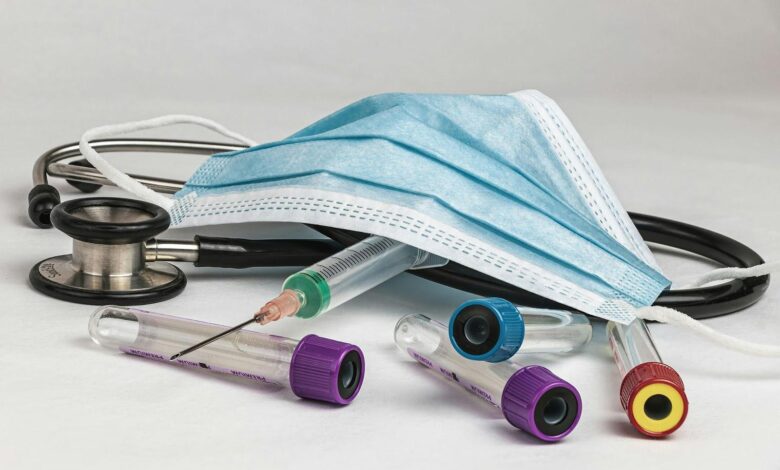
Diagnostic tools, such as blood pressure monitors, thermometers, and stethoscopes, are critical for assessing a patient’s health status. Accurate diagnostic equipment allows healthcare professionals to make informed decisions regarding patient care.
Surgical Instruments
Surgical instruments must be precise, sterilizable, and durable. These tools include scalpels, forceps, and clamps used in various surgical procedures. The quality of surgical instruments can directly impact the success of medical operations.
Patient Care Items
Patient care items such as beds, wheelchairs, and monitors ensure comfort and safety. They also facilitate better patient management and recovery. The availability and functionality of these supplies contribute to the overall patient experience.
Determining Quality in Medical Supplies
Quality in medical supplies is determined by factors such as material, manufacturing standards, and compliance with regulatory requirements. Materials used must be durable and appropriate for their intended use. Additionally, manufacturing standards must align with global guidelines to ensure reliability and safety.
Regulatory Compliance
Compliance with regulations issued by health authorities is paramount. This includes certifications from bodies such as the FDA or CE, indicating the product has undergone rigorous testing.
Supply Chain Management
The management of the supply chain directly affects both the quality and availability of medical supplies. Efficient supply chains ensure that products are delivered timely and in good condition, reducing the risk of shortages or delays that could compromise patient care.
Factors Affecting Availability
The availability of medical supplies can be influenced by geopolitical factors, pandemics, and logistical issues. For example, the COVID-19 pandemic caused significant disruptions in the global supply of PPE and other essential medical items.
Geopolitical Impact
Political stability in manufacturing regions affects the supply of medical equipment globally. Trade policies and international relations can either hinder or facilitate the distribution of medical supplies.
Innovations and Advancements
The emergence of new technologies and continuous innovation in medical equipment contribute positively to both the quality and availability of medical supplies. Breakthroughs in materials science and equipment design can result in more efficient products that are easier to produce and distribute.
The Role of Medical Supplies in Healthcare
Medical supplies are not only fundamental to everyday healthcare operations but also crucial in coping with emergencies. The ongoing effort to improve the quality and availability of these supplies ensures that healthcare systems can effectively respond to both routine and critical care needs.
In conclusion, the landscape of medical supplies is complex and constantly evolving. Quality and availability are determined by a multitude of factors, from regulatory compliance to supply chain efficiency. By understanding these dynamics, healthcare providers can make informed decisions to enhance their service quality and preparedness.