I Wore a Hair Topper for 30 Days and Didn’t Tell Anyone Here’s What Happened

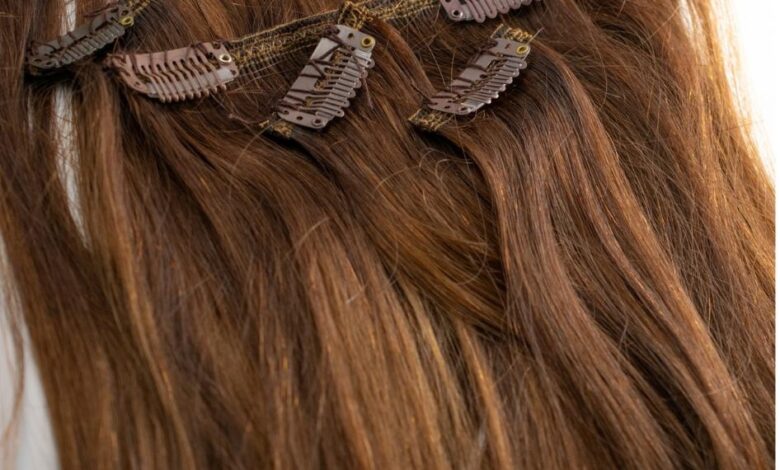
I did not expect a small piece of hair to affect my confidence as much as it did.
The decision started quietly. One evening, while getting ready for dinner, I noticed how much scalp I could suddenly see near my parting under the bathroom light. I adjusted my hair twice before leaving the house. Then I stopped in the middle of the hallway and checked again in the mirror.
That had become a habit.
I am in my forties, work full time, and generally consider myself low maintenance. But over the last two years, my hair had changed noticeably. It looked flatter around the crown, thinner near the temples, and far less forgiving in photographs.
At first, I tried styling tricks.
Then I tried clip-in hair extensions after seeing endless videos online promising instant volume. They helped slightly with fullness through the lengths, but they never solved the actual issue at the top of my head where the thinning was most visible.
Eventually, after weeks of hesitation, I booked a consultation for a topper.
I told nobody.
Week One: Constantly Expecting Someone to Notice
The first morning felt strangely nerve-racking.
I left the house convinced everybody would immediately realise I was wearing extra hair. On the train, I became overly aware of people standing behind me. In meetings, I kept wondering whether the lighting above my desk made the topper obvious.
Nobody said anything.
Not one person.
That surprised me more than the topper itself.
The biggest difference was not dramatic volume or longer hair. It was the fact that I stopped thinking about my scalp every few minutes.
For the first time in a long while, I was not adjusting my parting before every video call.
The Gym Test
By the second week, I stopped treating the topper like something fragile.
I wore it to the gym expecting discomfort or obvious shifting during exercise. Instead, it stayed secure throughout an entire workout. More importantly, I realised I was no longer avoiding overhead mirrors.
Women dealing with thinning hair often become skilled at managing angles and lighting without even realising it. Certain changing rooms, bright cafés, and office bathrooms become strangely stressful.
The topper softened that anxiety almost immediately.
I still looked like myself. Just slightly more rested.
The Wedding Weekend
The real test came during a family wedding.
British weddings are not subtle environments. There are photographs from every possible angle, strong lighting, long hours, dancing, and relatives who examine your appearance with alarming attention to detail.
Normally, events like this leave me preoccupied with my hair all evening.
This time felt different.
At one point during the reception, my cousin asked whether I had “done something different” with my hair because it looked healthier lately.
I remember feeling a sudden wave of panic.
Then she moved on to discussing the dessert table.
That was the moment I realised something important: people often notice confidence before they notice appearance changes.
The Psychological Shift I Did Not Expect
The biggest change over the month was mental rather than physical.
Before wearing a topper, I spent a surprising amount of energy trying to conceal thinning areas:
- Repositioning my hair in mirrors
- Avoiding harsh lighting
- Using powders near my parting
- Turning slightly during photographs
- Checking the back of my head with my phone camera
I had not realised how exhausting those small habits had become.
Wearing the topper removed much of that background stress.
It did not make me feel like a different person. It simply made me feel less distracted by my appearance during normal daily life.
Why I Think Toppers Still Carry Stigma
Before trying one myself, I associated toppers with something theatrical or medically necessary.
I imagined obvious hair pieces that looked unnatural or old-fashioned. I also assumed they were mainly worn by older women.
The reality was entirely different.
Modern toppers are often subtle enough that most people never notice them at all. Many women wearing them are managing mild thinning linked with stress, hormones, ageing, or postpartum changes rather than severe hair loss.
Yet the stigma still exists because hair thinning in women remains oddly difficult to discuss openly.
People speak far more comfortably about skincare, cosmetic treatments, or fitness routines than they do about hair density.
Rain, Wind, and Everyday Life
London weather turned out to be a useful test.
Over the month, the topper survived rain, crowded Tube journeys, windy streets, dinners with friends, and several rushed mornings where I barely had time to style my hair properly.
What surprised me most was how quickly it became normal.
By the third week, I had stopped thinking about whether anyone could tell. The topper simply became part of my routine in the same way hair styling or makeup already was.
That normality felt unexpectedly freeing.
What I Learned After 30 Days
I started this experiment assuming the month would revolve around concealment.
Instead, it became more about comfort.
Women often feel pressure to treat thinning hair as either a serious medical issue or something too vain to discuss openly. In reality, most sit somewhere in the middle. They simply want to feel comfortable in their own appearance again.
A respected London hair studio such as Tatiana Karelina has contributed to changing that conversation by approaching clip-in hair extensions as natural hair support rather than dramatic transformation.
That distinction matters more than I realised before trying one myself.
Final Thoughts
Thirty days after wearing a topper daily, nobody directly asked whether I was wearing one.
Some people said I looked well-rested. Others asked whether I had changed my colour slightly. Most noticed nothing at all.
The real difference was internal.
I spent less time worrying about lighting, photographs, and visible scalp. I felt calmer walking into meetings and social events. Most importantly, I stopped thinking about my hair every hour of the day.
For something I once associated with secrecy or embarrassment, that felt surprisingly ordinary, in the best possible way.