Festival Coordinator: The Complete Guide to Roles, Skills & Career Growth
A Deep Dive Into Responsibilities, Qualifications, and Opportunities in Festival Coordination

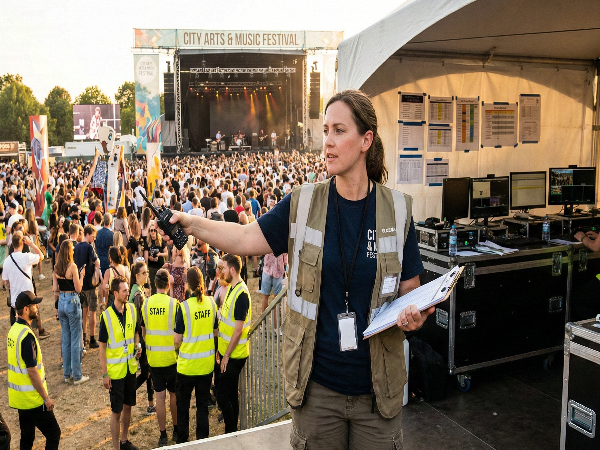
A festival coordinator is a professional who oversees the planning, logistics, staffing, scheduling, budgeting, and execution of festivals ranging from music and arts events to cultural, corporate, and community celebrations. Their role includes coordinating vendors, performers, volunteers, marketing teams, sponsorships, safety procedures, and on-site event operations to ensure a seamless and successful festival experience. Festival coordinators combine organization, communication, and management skills to deliver events that run smoothly and leave a lasting impression on attendees.
Introduction to Festival Coordination
Festivals are powerful cultural and social experiences, bringing together music, art, food, community, and immersive entertainment in one place. But behind every successful festival, there is a highly skilled individual ensuring everything works perfectly—this professional is the festival coordinator. Their role is more complex than many realize, involving months of planning, coordinating multiple teams, managing budgets, handling unexpected challenges, and delivering memorable experiences to thousands of attendees.
In today’s competitive event industry, festival coordinators have become some of the most essential figures in delivering safe, engaging, and efficient events. Whether it’s a national music festival attracting huge crowds or a local community celebration, the expertise of a festival coordinator is crucial for success.
This article breaks down everything you need to know about the festival coordinator role, including daily responsibilities, required qualifications, essential skills, career paths, salary expectations, and tips to grow in this dynamic profession.
What Is a Festival Coordinator?
A festival coordinator is responsible for planning, organizing, and overseeing all elements of a festival. They work closely with event managers, performers, vendors, sponsors, volunteers, and technical teams to ensure each aspect of the festival aligns with its goals.
Their main objective is to create a cohesive experience that flows smoothly from setup to tear-down. They ensure timelines are met, safety rules are followed, budgets are respected, and all stakeholders communicate effectively. A festival coordinator is essentially the bridge connecting every moving part of an event.
Key Responsibilities of a Festival Coordinator
A festival coordinator’s tasks vary depending on the size and type of festival, but the following are the most common and essential responsibilities.
Event Planning and Logistics
Planning is the foundation of every successful festival. A festival coordinator develops timelines, secures venues, arranges permits, and strategizes the layout of the event space.
Their planning duties often include:
-
Mapping festival sites and arranging traffic flow
-
Coordinating with technical crews for lighting, sound, and staging
-
Scheduling performances and activities
-
Arranging transportation and accommodation for artists or staff
-
Managing weather-related contingencies
-
Ensuring the venue complies with safety regulations
A strong coordinator anticipates problems before they occur and prepares detailed logistical plans.
Vendor and Performer Coordination
Festivals rely heavily on vendors, suppliers, and performers. The coordinator ensures every vendor understands their responsibilities, setup timings, and policies.
Their duties include:
-
Booking vendors or suppliers
-
Confirming artist schedules
-
Managing contracts and agreements
-
Coordinating equipment needs
-
Ensuring smooth setup and teardown
-
Acting as the central point of communication on festival day
This requires strong communication skills and the ability to work under pressure.
Budgeting and Financial Management
Managing money is a major part of the festival coordinator’s work. They often:
-
Create overall budgets
-
Track expenses
-
Manage payments to vendors and artists
-
Handle invoicing
-
Negotiate prices with suppliers
-
Ensure the festival stays financially viable
Accurate financial management determines the success and sustainability of a festival.
Volunteer and Staff Management
Festivals often depend on volunteers and temporary staff. The coordinator oversees:
-
Recruitment
-
Training
-
Scheduling
-
Task assignments
-
On-site supervision
A well-organized coordinator ensures every worker knows their responsibilities and maintains the festival’s professional atmosphere.
Marketing Support and Public Relations
While marketing may not be their primary duty, festival coordinators often collaborate with marketing teams. They contribute by:
-
Providing content about festival activities
-
Helping plan social media announcements
-
Ensuring brand consistency in communication
-
Assisting with sponsorship communications
-
Supporting PR campaigns and press interactions
This involvement helps improve attendance and enhance the festival’s reputation.
Safety, Compliance, and Risk Management
Safety is one of the most critical responsibilities. Coordinators must:
-
Ensure security teams are properly briefed
-
Enforce local safety regulations
-
Arrange first-aid stations
-
Prepare emergency response plans
-
Manage crowd-control strategies
A safe festival builds trust and reputation.
On-Site Festival Operations
During festival days, the coordinator becomes the leader of real-time operations. They:
-
Manage schedules and keep events running on time
-
Address attendee concerns
-
Handle last-minute problems
-
Ensure vendors and staff perform their duties
-
Oversee technical setups and transitions
-
Maintain communication with all departments
Their ability to stay calm and decisive determines the festival’s success.
Skills Required to Become a Festival Coordinator
Festival coordination requires a combination of soft and technical skills. The strongest coordinators possess:
Organizational Skills
Festivals involve dozens of moving parts; coordinators must stay on top of everything without losing track.
Communication Skills
They interact with vendors, staff, volunteers, performers, sponsors, and attendees.
Problem-Solving Abilities
Unexpected issues can arise at any moment, requiring fast and effective solutions.
Time Management
Coordinators must handle multiple tasks simultaneously and meet strict deadlines.
Negotiation Skills
Helpful when securing vendors, booking performers, or handling contracts.
Leadership and Team Management
Leading teams and motivating volunteers is crucial for smooth operations.
Budgeting and Financial Skills
Accurate accounting ensures a festival remains profitable and sustainable.
Technical Knowledge
Understanding staging, lighting, audio systems, and permit processes improves efficiency.
Education and Qualifications Needed
While formal education isn’t always required, many festival coordinators benefit from degrees or certifications in:
-
Event Management
-
Hospitality Management
-
Arts Administration
-
Business Management
-
Communications
Additional certifications such as event safety training, project management, or first aid can strengthen a candidate’s profile.
Experience is often more important than education. Volunteer work at festivals, internships with event companies, or assisting experienced coordinators helps build practical skills.
Types of Festivals a Coordinator May Work On
Festival coordinators have a wide range of opportunities depending on their interests. Common types include:
-
Music festivals
-
Cultural festivals
-
Food and drink festivals
-
Film festivals
-
Art festivals
-
Community celebrations
-
Sports festivals
-
Corporate events with festival-like setups
-
Seasonal festivals (Christmas, Halloween, Summer)
Each type requires slightly different skills, but the core responsibilities remain consistent.
Career Growth and Advancement Opportunities
A festival coordinator can advance to higher positions such as:
-
Festival Manager
-
Event Director
-
Production Manager
-
Operations Director
-
Event Marketing Manager
-
Sponsorship Manager
With experience, some coordinators start their own event management companies or specialize in niche festival types.
Salary Expectations in Festival Coordination
Salaries vary depending on the festival size, location, and the coordinator’s experience. Many coordinators receive hourly or contract-based compensation, especially for seasonal festivals.
On average, festival coordinators can expect competitive wages that grow significantly with expertise and specialization. Senior coordinators working at major festivals often earn substantially more due to the scale and complexity of their responsibilities.
Challenges Faced by Festival Coordinators
While the job is exciting, it comes with challenges such as:
-
Tight deadlines
-
High-pressure environments
-
Long working hours during festival week
-
Weather-related disruptions
-
Managing large crowds
-
Balancing multiple tasks
-
Solving last-minute problems
Despite these challenges, many professionals find the job rewarding because of the energy and excitement of festival culture.
Why Festival Coordinators Are Essential
A festival cannot run smoothly without a skilled coordinator. They ensure:
-
Safety procedures are followed
-
Vendors and performers meet expectations
-
Timelines stay on track
-
Attendees enjoy a seamless experience
-
The festival remains financially viable
Their expertise is what transforms an idea into a memorable real-world event.
Conclusion
The role of a festival coordinator is one of the most dynamic and rewarding careers in the event industry. It combines creativity, leadership, logistical planning, financial management, and real-time problem-solving. Whether you’re aspiring to enter the field or looking to advance your career, this profession offers endless opportunities for growth and excitement.
Festival coordinators are the backbone of successful events, ensuring every detail—from vendor setup to final cleanup—flows perfectly. With strong skills, proper training, and hands-on experience, anyone passionate about events can thrive in this field.
If you’re ready to step into a career filled with creativity, teamwork, and unforgettable experiences, festival coordination might be the perfect path for you.