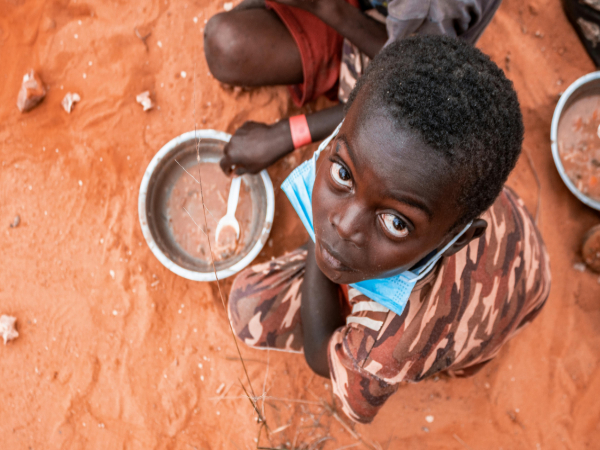
Food insecurity is often reduced to numbers, such as millions affected, tonnes distributed, targets missed or met. But those numbers flatten the reality. On the ground, the issue is rarely just about food being absent. It’s more uneven than that. Some communities have food, just not enough of it. Others have access one month and lose it the next.
The Food and Agriculture Organization estimates that over 700 million people are still living with chronic hunger. That figure hasn’t shifted as much as expected. What has changed is how the problem shows up. In some places, people are eating but not well. In others, access depends on factors that change quickly: prices, local conflict, or simply whether the rains arrive on time.
The Protein Gap That Gets Overlooked
Most aid still leans heavily on staples. Rice, wheat, flour, these are practical, easy to distribute, and essential in the short term. But they are not complete nutrition a human requires.
Protein is where the gap becomes harder to ignore. Not immediately, but over time. Children grow more slowly. Illness lasts longer. Recovery becomes inconsistent. It’s gradual, which is why it often slips past attention.
There has been a shift, though, not major, but noticeable. More programmes are moving beyond bulk staples and adding variety: pulses, dairy, and occasionally meat. The World Food Programme has repeatedly pointed out that a more balanced food basket leads to better outcomes, even when total quantities remain the same.
The Problem Isn’t Always Supply
It’s tempting to assume hunger exists because there isn’t enough food globally. That’s not always accurate. In many cases, food exists, but it just doesn’t move properly. Storage fails. Transport is delayed. Coordination breaks down. As a result, surplus and shortage can exist side by side, separated by logistics rather than distance.
Structured aid programmes try to deal with that imbalance. They bring some order to what has often been fragmented, such as central sourcing, local partnerships, and better use of data to decide who gets what and when. It sounds procedural, but the difference is practical: food arriving on time, in the right place. There’s also a gradual shift towards visibility. Aid is no longer just delivered; it’s tracked. That matters in a sector where questions around efficiency and accountability haven’t always had clear answers.
When Seasonal Giving Is Actually Useful
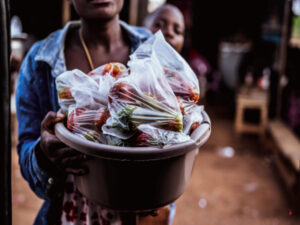
Certain times of year still drive a surge in donations. That hasn’t changed. What has changed is how that surge is managed.
Left unstructured, it can create imbalance, such as too much supply in one region and not enough in another. But when it’s organised properly, it fills specific gaps. Campaigns like Qurbani 2026 illustrate this point. In communities where meat is rarely part of everyday diets, even occasional distribution adds something nutritionally meaningful.
The impact provided by the system around it is controlled, from sourcing to distribution. Without that structure, the same effort would lose much of its value.
Climate Is Adding Pressure from the Outside
There’s another factor complicating everything: climate.
Agricultural cycles are less predictable now. Rainfall patterns shift. Heat lasts longer. Flooding damages crops that were close to harvest. For communities already operating with minimal buffer, one disrupted season can stretch into months of instability.
The IPCC has made it clear that food systems are among the most exposed to these changes.
In response, some aid programmes are adjusting, not quickly, but deliberately. There’s more emphasis on supporting local production, improving storage, and reducing reliance on external supply chains. It’s slower work, but it reduces long-term fragility.
Moving Beyond Short-Term Responses
Emergency aid is necessary. That won’t change. The problem begins when it becomes the only approach.
More effective models are starting to combine immediate relief with quieter, long-term improvements such as basic nutrition awareness, better storage infrastructure, and support for local markets. None of this creates quick headlines. But it reduces how often the same communities fall back into crisis.
What Progress Actually Looks Like
Food insecurity doesn’t have a clean solution. It sits across multiple systems, such as health, economics, infrastructure, and climate. That makes it resistant to quick fixes and easy narratives.
What is shifting, slowly, is the way the problem is approached. There’s less focus on volume alone and more on how aid is delivered. More attention to quality. More emphasis on consistency rather than one-off interventions.
The progress is uneven. Some areas improve, others don’t. But the movement towards more structured, accountable systems is there. And ultimately, success won’t be measured by how much food is distributed. It will be measured by how many communities stop needing that distribution altogether.