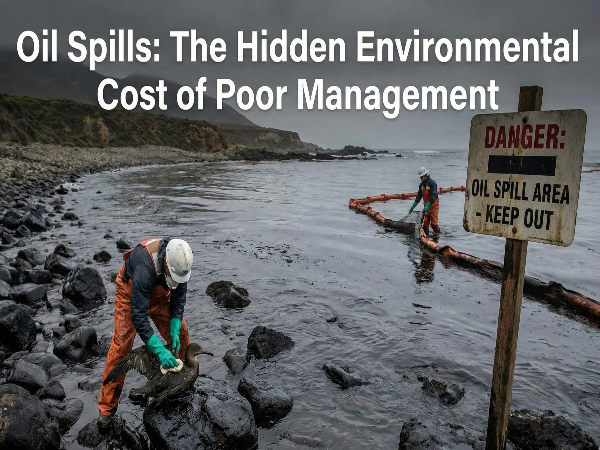
Oil spills are often misunderstood and quickly forgotten when they happen. But if mismanaged, they can leave behind long-term environmental damage that’s difficult to reverse. When not managed correctly, spilled oil seeps into soil, rivers, and seas, damaging habitats and harming wildlife for years.
These effects ripple through ecosystems and local communities, threatening clean water, biodiversity, and livelihoods. Read to the end to see how poor oil spill management affects the environment and why professional control is essential to protect it.
Widespread Harm to Marine and Aquatic Life
When oil leaks into the sea or rivers, it quickly spreads across the surface, forming a barrier that blocks sunlight and reduces oxygen in the water. This suffocates fish, coral, and aquatic plants that depend on clean water and sunlight to survive.
Seabirds are affected as well. As when they are coated in oil, they lose their natural insulation and buoyancy, often dying from cold or starvation.
Without fast, effective management, the environmental impact can last for decades. Oil seeps into sediments and shorelines, where toxins persist even after surface cleanup. That’s why certified oil spill cleaning specialists are vital in preserving the beautiful nature all around Great Britain. They use advanced recovery tools and environmentally safe products to remove contamination and restore balance to marine habitats.
Soil and Water Contamination That Spreads
Oil spills may often happen at sea, but they don’t only affect coastlines. When spills occur inland, oil penetrates deep into the ground, polluting soil and contaminating groundwater. This makes water unsafe for drinking, farming, or industrial use. Poor management allows oil to travel further through drainage systems or floodwaters, spreading toxins into rivers and wetlands.
Contaminated soil also prevents plant growth. Hydrocarbons disrupt soil structure and cut oxygen to roots, leaving the land barren. In the UK, this can lead to erosion and long-term land degradation that’s very hard to reverse. A proper containment plan and professional remediation are crucial to stop the spread before it reaches water sources or agricultural land.
Disrupted Ecosystems and Collapsing Food Chains
Every oil spill creates a chain reaction across ecosystems. Microscopic plankton and invertebrates, the base of aquatic food chains, are among the first affected. When their populations decline, it directly impacts larger species like fish, seals, and seabirds.
Over time, entire ecosystems can become unbalanced, reducing biodiversity and damaging coastal resilience.
Even when the visible oil has been removed, toxic residues often remain hidden in sediments and marshlands. These residues continue to poison wildlife, accumulate in fish tissue, and slowly work their way through the food chain. Poor spill management extends this contamination for years, leaving behind a fragile and unstable ecosystem.
Human, Economic, and Social Impact
Poor oil spill control isn’t only an environmental issue as it affects communities too. UK coastal regions that rely on fishing and tourism face major losses when beaches and harbours are contaminated. Fishermen can lose livelihoods, and local businesses see fewer visitors.
The health impact can also be severe. Exposure to contaminated air, water, or soil may cause respiratory problems and skin irritation. Without professional intervention, pollutants can linger and continue to pose health risks long after the initial spill.
Proper management ensures faster recovery, reduces health hazards, and supports economic stability in affected areas.
Conclusion: How to Protect the Environment
Oil spills are unpredictable, but their impact doesn’t have to be permanent. Proper spill management led by certified cleaners helps limit damage and restore balance to affected ecosystems. Trained oil spill professionals follow strict UK environmental safety standards and use proven methods to contain, clean, and rehabilitate damaged sites safely.
The consequences of poor oil spill management reach far beyond what’s visible on the surface. It weakens biodiversity, damages soil and water, and disrupts local communities. Acting fast and working with qualified experts ensures the environment can recover while protecting both today’s landscape and the future health of the planet.