In the modern era of digital communication, wireless microwave link technology represents a significant advancement in achieving high-speed connectivity. This technology serves as a pivotal solution for transmitting data over considerable distances without the need for physical cables, thus offering a versatile alternative to traditional wired networks.
What is Wireless Microwave Link Technology?
Wireless microwave link technology utilises electromagnetic waves in the microwave frequency range to transmit data between two or more locations. Operating typically within the 1 GHz to 100 GHz frequency bands, microwave links are capable of providing stable and high-speed connections over long distances.
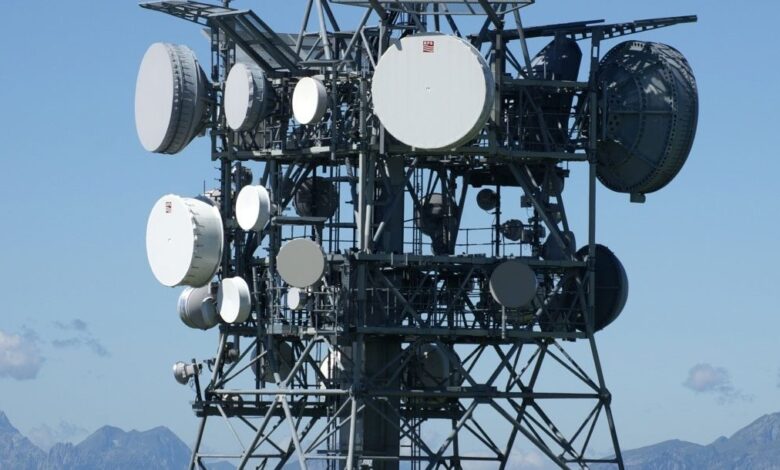
The primary components of a microwave link include the transmitter, receiver, and antennas. These components work in harmony to send and receive signals that carry various types of data, such as voice, video, and internet services.
Applications of Wireless Microwave Links
Microwave link technology is widely used across various sectors due to its reliability and speed. Telecommunication companies often employ these links to extend their network coverage, especially in rural and remote areas where laying cables is not cost-effective. Additionally, they are an integral part of the infrastructure for television broadcasting and can also be used in public safety communications and military operations.
Advantages of Wireless Microwave Technology
One of the most notable benefits of microwave links is their ability to bypass physical obstructions, which is a common limitation with traditional wired connections. They provide a rapid deployment solution as they require minimal ground infrastructure, making them particularly advantageous in emergency situations or temporary deployments.
Furthermore, microwave technology offers substantial bandwidth, supporting high data rates that cater to modern demands for fast and reliable internet services. This makes it an attractive solution for both urban and rural deployments.
Challenges and Considerations
While microwave links present numerous advantages, there are challenges to consider. For instance, performance can be affected by atmospheric conditions such as heavy rain or fog, which can cause signal degradation.
Additionally, aligning the transmitting and receiving antennas precisely is crucial for maintaining optimal signal quality. This requirement underscores the importance of professional installation and maintenance to ensure system efficiency.
Comparing Microwave Links with Fibre Optics
When comparing microwave links with fibre optics, the latter offers greater bandwidth capabilities and is less susceptible to environmental interference. However, the significant cost and time required for fibre optic installation can be prohibitive, particularly in remote areas.
Microwave links, on the other hand, provide a more immediate and cost-effective solution where terrain or budget constraints limit the feasibility of fibre optics.
Future Prospects of Microwave Link Technology
The evolution of wireless microwave link technology continues to make strides with advancements in hardware and improved modulation techniques which increase the capacity and reliability of these systems.
As demand for high-speed internet connectivity grows globally, especially in underserved regions, the role of microwave technology is expected to expand. Innovations such as millimetre-wave technologies are pushing the boundaries of what is possible, promising even faster data rates and more robust connections.
Conclusion
Wireless microwave link technology is an essential component of modern communication infrastructure. Its ability to provide high-speed, reliable, and cost-effective connectivity makes it a valuable asset in our increasingly digital world. Continued advancements in this field are likely to enhance its capabilities further, ensuring that it remains a key player in global connectivity strategies.