Rooflights have come a long way from those basic skylights your parents might have installed in the 80s. Walk into any home show or flip through a design magazine and you’ll see how much these features have evolved. They’re not just about letting light in anymore – they’re proper design statements that change how a room feels. If you’re thinking about adding one to your home or replacing an old unit, there’s never been a better time to explore what’s available.
Minimalist Designs for Modern Spaces
There’s something refreshing about a rooflight that doesn’t try too hard. The minimalist approach strips away unnecessary details and lets the light do the talking. You get slim aluminium frames – some as narrow as your thumb – that barely register when you look up.
This style suits open-plan areas where you don’t want anything breaking up the flow. A friend recently installed one above her kitchen island and the difference is remarkable. No fussy details, no chunky frames – just clean lines that make the ceiling feel higher than it actually is.
Large Rooflights for Natural Light
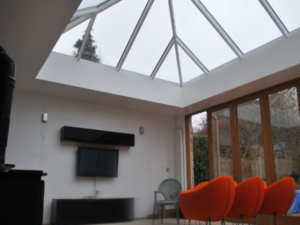
Bigger really is better when it comes to rooflights. We’re seeing units that span 3 metres or more becoming standard rather than special orders. These aren’t just practical additions – they change how you experience a room throughout the day.
I’ve noticed this in my own flat after installing a 2-metre unit above the dining table. Morning coffee feels different when sunlight streams in. Even grey British afternoons seem brighter. There’s actual research backing this up too – natural light affects everything from your sleep cycle to your energy levels during the day.
The trick is positioning. A rooflight above a hallway transforms what’s usually dead space into something that feels intentional and designed.
Custom Shapes for Unique Spaces
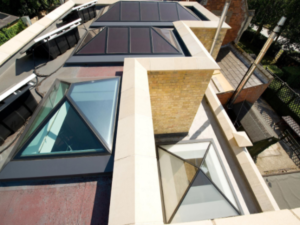
Not every roof is a perfect rectangle. Some of the most interesting installations I’ve seen use triangular units on pitched roofs or circular designs in entrance halls. One architect showed me an L-shaped configuration that followed the exact angle of a tricky corner space.
Standard sizes work fine for many homes, but custom shapes solve problems that off-the-shelf products can’t touch. Yes, they cost more. But if your space has quirky geometry or you want something that feels unique to your home, bespoke makes sense.
Frameless Rooflights for Sleek Looks
Frameless skylights take minimalism to its logical conclusion. No visible frame at all – just glass sitting flush with your roof. The first time you see one installed properly, it’s genuinely impressive. The sky becomes part of your ceiling.
These units use structural glazing techniques that weren’t common a decade ago. Installation needs to be spot-on because there’s no frame hiding any gaps or mistakes. Find someone who’s fitted them before rather than a general builder having a go for the first time.
The price premium is real – expect to pay 30-40% more than framed versions. But if you’re renovating a modern property where every detail counts, that clean aesthetic might be worth it.
Energy-Efficient Glass with Style
Here’s where things get technical, but stick with me because this matters for your heating bills. Triple glazing with low-E coatings keeps warmth in during winter and reflects heat during summer. U-values below 1.0 W/m²K are now standard on decent units.
My neighbour learned this the hard way. She bought a cheap double-glazed unit and spent two winters complaining about condensation and draughts. Eventually replaced it with a proper triple-glazed version and the problems disappeared.
Self-cleaning glass is another feature worth considering. It uses a coating that breaks down dirt when sunlight hits it, then rain washes everything away. Sounds gimmicky until you’ve got a rooflight three metres up that you can’t easily reach with a ladder.
Architectural Features to Boost Home Value
Estate agents will tell you that rooflights sell homes. Buyers walk in, look up and immediately see that someone has invested in the property. It’s a visible upgrade that photographs well and makes rooms feel more expensive than they are.
But the real value isn’t just about sale price. It’s about making your home nicer to live in now. A dark bathroom becomes pleasant. A gloomy corridor feels welcoming. These are daily improvements that affect your quality of life.
Planning permission is usually straightforward too. Most rooflights fall under permitted development, which means no lengthy approval process. Conservation areas have stricter rules, but even there, planners are becoming more flexible about well-designed installations.
Conclusion
The rooflight market has matured considerably. You’re no longer choosing between something that looks good and something that performs well – decent products deliver both. Take time to consider what matters most for your space. Is it maximum light? Minimal visual impact? Energy savings? Once you know your priorities, finding the right product becomes straightforward. A well-chosen rooflight transforms how a room feels and adds lasting value to your home.