What You Need to Know About Pet Genetics and How It’s Shaping Ethical Breeding in the UK

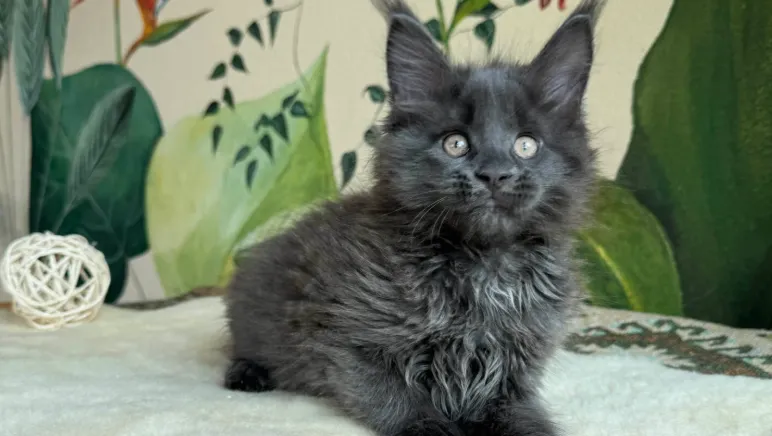
Ethical breeding in Britain isn’t a fuzzy idea about “nice homes” and cute photos. It’s genetics, regulation, and welfare banging elbows in a very small space. Buyers feel the pinch when the science gets ignored, vet bills don’t blink.
So, what actually counts as ethical in the UK?
Start with the rules, because they set the floor, not the ceiling. The Animal Welfare Act 2006 puts a legal duty of care on anyone breeding or selling animals. England’s licensing regime (2018 regulations) applies if you’re breeding commercially, and Lucy’s Law cut out third‑party sales, no anonymous middlemen flipping litters from a shed. Since 2024, cats in England must be microchipped; kittens should leave already chipped, registered, and with traceable records. That’s the admin. Welfare-first breeders treat it as baseline, not a badge of honour.
Registries and codes sit on top. GCCF, TICA, and breed clubs publish standards and ethics, some stricter than anything the law can police. Good breeders follow both worlds. Bad ones brag about “papers” and quietly skip health tests. Happens daily.
Genetics 101 without the headache
Most traits don’t behave on/off like a light switch. Some are Mendelian (a single gene you can test), others are polygenic (many genes, messy outcomes), and then you get modifiers like penetrance and expressivity that make a “same” gene act differently in different cats. Eye colour? That’s melanin in the iris plus a cast of genes that tweak or block pigment. W (Dominant White), S (white spotting), and cs (colourpoint) all tug eye colour around, sometimes sharply. You can’t eyeball a pedigree and guess them all correctly. You test or you admit uncertainty.
Health risk isn’t theoretical. Blue‑eyed white cats have a higher chance of congenital deafness thanks to how W interferes with pigment cells in the inner ear. So breeders don’t just admire sapphire eyes; they book BAER hearing tests before pairing or selling. Pretty is lovely. Functional hearing is non‑negotiable.
A quick case study: the Maine Coon and those eyes
The breed standard gives you a broad canvas: gold through copper, greens from soft moss to vivid emerald, and blue in whites; odd‑eyed allowed in whites too depending on registry. Gorgeous range. But there’s nuance about how it appears and when it settles in kittens. If you want a clean visual explainer that walks through shades, genetics, and what breeders weigh up, see Maine Coon eye colours. It pairs the science with photos, useful when you’re trying to tell “deep gold” from true copper without cheating the lighting.
On the genetics side, you’ll hear chatter about a Dominant Blue Eyes (DBE) trait in cats, claims outpace peer‑reviewed data. Could DBE exist? Maybe. Is it routinely validated across lines with hearing tests and long‑term health tracking? Not yet. Ethical breeders stay transparent: no hype about “rare eyes,” full disclosure of test results, and BAER on blue‑eyed/white lines as standard. Hype breeds mistakes. Data breeds healthy litters.
Standards, testing, and what “doing it right” actually looks like
Proof beats promises. Ethical breeding hinges on a mix of DNA tests, clinical screening, and smart mate selection.
- DNA panels: Reputable options include Langford Vets (Bristol) and Laboklin UK; some use Optimal Selection or VGL for broader panels. Panels tell you “clear, carrier, affected” for known single‑gene conditions. Carriers can be bred thoughtfully, paired with clears, without sacrificing diversity.
- Breed‑specific must‑haves: Maine Coons, MYBPC3 for HCM, SMA, and PK‑Def. Persians/Exotics, PKD. Bengals, PRA variants. Ragdolls, HCM (different variant set), plus PRA where relevant. You tailor the panel to the breed, not vibes.
- Clinical screening: BAER for hearing in white/blue‑eyed lines; echocardiography for HCM risk in breeds that carry it; ophthalmic exams where eye anomalies crop up. DNA tells part of the story. The stethoscope and scanner finish it.
Timelines matter. DNA testing via cheek swab can be done before breeding; BAER is typically done once kittens are old enough to test confidently. Heart scans repeat through life in at‑risk breeds, one clear echo at 12 months doesn’t immortalise a heart. No shortcuts here.
Diversity: keeping COI sane
Low genetic diversity yields fragile lines; high diversity buys you resilience. COI (coefficient of inbreeding) estimates how related the parents are, higher means more risk of recessive problems and reduced vigour. You’ll see two flavours: pedigree COI (historical estimate) and genomic COI (direct DNA‑based measure). The latter is sharper. Most welfare‑first breeders keep COI under roughly 10–12.5% for planned matings and aim lower when the breed pool allows. It’s a target, not scripture.
How do you get there? Outcrossing, broader mate selection, and sometimes importing new lines while staying within registry rules. Linebreeding can fix type fast. It can also fix disease faster. Pick your poison, or do the paperwork and pick better mates.
Colour, eyes, and ethics: where fashion trips welfare
Brazen marketing around “rare” eyes or coats is the fastest route to bad decisions. When selection zooms in on one trait, diversity shrinks and you miss health signals. White + blue eyes? Stunning, yes. Higher deafness risk? Also yes, so you BAER test and disclose outcomes. Odd‑eyed cats (heterochromia) can be perfectly healthy, especially in white cats where it’s expected; sectoral heterochromia happens too. The welfare line is crossed when novelty outranks hearing, heart health, and sound structure.
Registries are your compass. GCCF/TICA standards spell out eye colour allowances per breed, Maine Coons with green, gold, or copper are fine; blue or odd‑eyed generally limited to whites. Breeding toward the standard while widening the gene pool is not some paradox. It’s the job.
Real‑world example from a UK cattery
A small, licensed breeder in Yorkshire keeps written COI targets, DNA panels every new import, and a cardiology schedule for Maine Coons, annual echoes for breeding adults, plus BAER on any white or blue‑eyed offspring before placing them. It’s slower and pricier. Their waiting list doesn’t suffer, because buyers can see the paperwork, ask tough questions, and get straight answers. Transparency sells. So does sleeping at night.
Buyer’s checklist: how to tell ethical from sketchy
- Licence (if applicable) and verifiable registry numbers (GCCF, TICA). No licence when one should exist? Walk away.
- Full DNA results relevant to the breed (e.g., MYBPC3, SMA, PK‑Def for Maine Coons). Screenshots aren’t enough, ask for PDFs with cat IDs.
- Clinical tests where indicated: BAER for white/blue‑eyed lines; recent echocardiography for HCM‑risk breeds; ophthalmic reports if eyes are a selling point.
- COI disclosed for the planned mating, with target thresholds stated in plain English.
- Kitten contract, microchip numbers, vaccination records, worming schedule, and a return clause that doesn’t dodge responsibility.
- Age of release: not before 12–13 weeks for pedigree kittens under UK norms. Early release screams churn.
- Breeder answers questions without flinching and volunteers the downsides of the breed. Hype merchants vanish when you ask about insurance claims and known risks.
Red flags that waste your money
- “Rare colour/eyes” as the headline feature and no mention of health testing.
- Pressure to pay deposits before you’ve seen test results or premises.
- Reluctance to discuss COI, BAER, or heart scans, “we’ve never had a problem” isn’t data.
- No interest in your home, schedule, or plans to neuter. Ethical breeders vet you too.
Costs and access in the UK (ballpark)
DNA single‑gene tests via UK labs often run in the £40–£70 range; panels cost more but simplify logistics. BAER testing varies by region, roughly £70–£150 depending on clinic and whether you’re booking a litter session. Specialist echoes for HCM screening sit somewhere around £180–£350 with a cardiologist. That’s real money. It’s also the cheapest stuff you’ll ever spend on a pedigree animal when you compare it with a chronic illness.
Documenting eye colour properly (so photos don’t lie)
- Shoot in natural light near a window; kill yellow indoor bulbs that skew colour.
- Use a neutral grey reference if you’re being exact; set white balance manually.
- Get iris close‑ups at the same angle and distance over a few weeks, kittens’ eyes shift from neonatal blue as melanin deposits.
- Label consistently: gold vs copper vs green isn’t interchangeable. Keep the same naming convention across your records.
Where genetics is heading next
We’re moving beyond paper pedigrees and single‑gene checks. Genomic COI, estimated breeding values, even whole‑genome sequencing, these tools let breeders protect diversity while selecting for temperament, structure, and yes, colour, without piling risk on the litter. Data sharing across breed clubs will decide whether that power serves welfare or fashion. The spreadsheets won’t make the choice for us.
Bottom line
Ethical breeding in the UK is science plus paperwork plus a conscience. DNA panels, BAER, heart scans, and COI targets aren’t marketing decorations; they’re the minimum to stand behind a kitten with your name on it. Buy from people who prove things. Breed like the future is watching.