Flipping, twisting, landing and still feeling like your gymnastics skills aren’t as sharp and smooth as they have to be? You’re not alone. Many gymnasts hit a plateau, unsure how to push past it without risking injury or frustration. The secret often isn’t more hours in the gym; it’s smarter, targeted practice. In this blog, we’ll share some unpopular and secret tips that can help you master your gymnastics skills 4x faster, using tools you might already have or never thought could actually work, like the best trampoline. Trampolines aren’t just for fun; they strengthen your core, improve coordination, and sharpen body control, all while keeping practice safe. Whether you’re aiming for higher jumps, cleaner flips, or better form, these practical, experience-backed strategies will guide you step by step. Stick with me, and you’ll discover how to turn every bounce into a skill-building opportunity.
Tip 1: Choose the Right Equipment
Starting with the right equipment flips the whole script on how quickly your gymnastics skills improve. A good trampoline gives you a safe space to practise height, balance, and control without second-guessing every jump.
Pick a Trampoline That Matches Your Skill Level
You’ll level up more quickly when your gear is suited to your skills, rather than being too easy or too hard.
- If you’ve just begun your journey and want to work on simple drills at home, a mini trampoline is one of the best options. It gives you a gentle bounce, feels safe in small spaces and helps you build confidence before moving to bigger setups.
- Intermediate or advanced gymnasts usually need firmer springs for higher lift and sharper rebounds.
- If you train regularly, choose a frame that feels steady and doesn’t shake under pressure.
Look for the Right Height and Bounce
The bounce you get from your best garden trampoline shapes the quality of your drills.
- A proper height helps you practise your jumps and flips with confidence.
- Balanced spring tension gives you control so your body learns the correct timing and shape.
- Consistent rebound teaches coordination, which reflects instantly in your floor and beam work.
Keep Safety First
A safe setup boosts your progress because you practise without hesitation.
- Safety nets prevent falls and keep your landing focused.
- A strong mat keeps your feet stable, especially during tuck, pike, or layout drills.
- A sturdy frame removes the fear of wobbling, which is common on cheaper models.
Now that your base is set, let’s move into the next step: building strong foundational techniques and clean form that carry you through every skill.
Tip 2: Master Foundational Techniques and Form
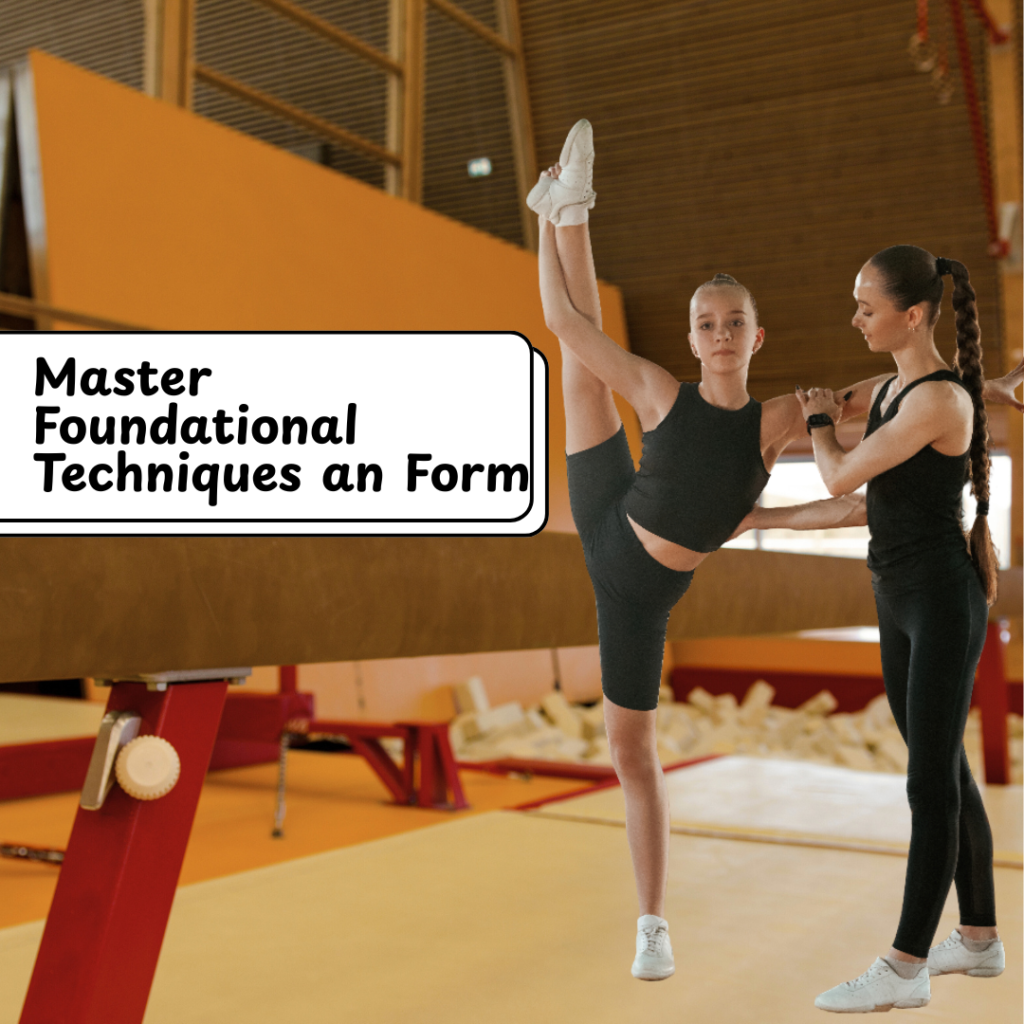
Good technique speeds up your progress more than any new trick. When your basics stay tight, every jump, flip, and landing feels cleaner and more controlled.
Focus on Toes and Straight Limbs
These small details shape the quality of your movement and help your body stay aligned mid-air.
- Point your toes on every lift to improve the line of your jumps on an inground trampolines.
- Keep your arms and legs straight to reduce unnecessary wobbles.
- Clean lines make it easier to spot your landing and hold your balance.
Keep Your Body Tight
A firm core turns your body into one stable unit rather than loose parts moving on their own.
- Engage your stomach and glutes before taking off.
- Imagine your body as a stretched string that snaps back into shape after each bounce.
- This tension helps you rotate smoothly without losing height.
Learn the Key Shapes
Practising basic shapes builds the muscle memory you need for flips and twists.
- Use the trampoline rectangle to drill hollow, tuck, pike and straddle positions.
- Hold each shape for a few seconds so your body recognises it instantly during movement.
- These shapes form the base of nearly every gymnastics skill.
Next, let’s move into drills that improve coordination and help you link movements smoothly on the trampoline.
Tip 3: Build Strength and Flexibility
Strong muscles and flexible joints make every gymnastics skill feel lighter and more controlled. When your body supports the movement, progress comes faster and with fewer mistakes.
Strength Training on the Trampoline
Use the bounce to build power in a safe, joint-friendly way.
- 10ft trampoline squats and lunges increase leg drive for higher jumps.
- Push-ups and pull-ups improve upper-body support for holds and flips.
- Calf raises sharpen take-off strength, especially for leaps and spins.
These simple drills add stability without weighing you down.
Improve Flexibility for Cleaner Movement
Flexible muscles help you hit shapes like wonderland and reduce stiffness during rotations.
- Daily bouncing gently warms up the body for safe stretching.
- Add splits, bridges and dynamic leg swings to lengthen your range.
- Consistent stretching helps your jumps open up, and your landings feel softer.
Strengthen the Core for Better Control
A steady midsection keeps your movements sharp and aligned during airtime.
- Try hollow holds and plank variations to build balanced strength.
- Use small trampoline bounces to challenge your stability while holding form.
- These drills help you stay balanced during flips and handstands.
- Make sure your practice partner has the right trampoline frame pads so you can practise safely without slipping or hitting exposed edges.
Next, we’ll look at drills that help you link skills smoothly and build rhythm on the trampoline.
Tip 4: Use Smart Practice Strategies
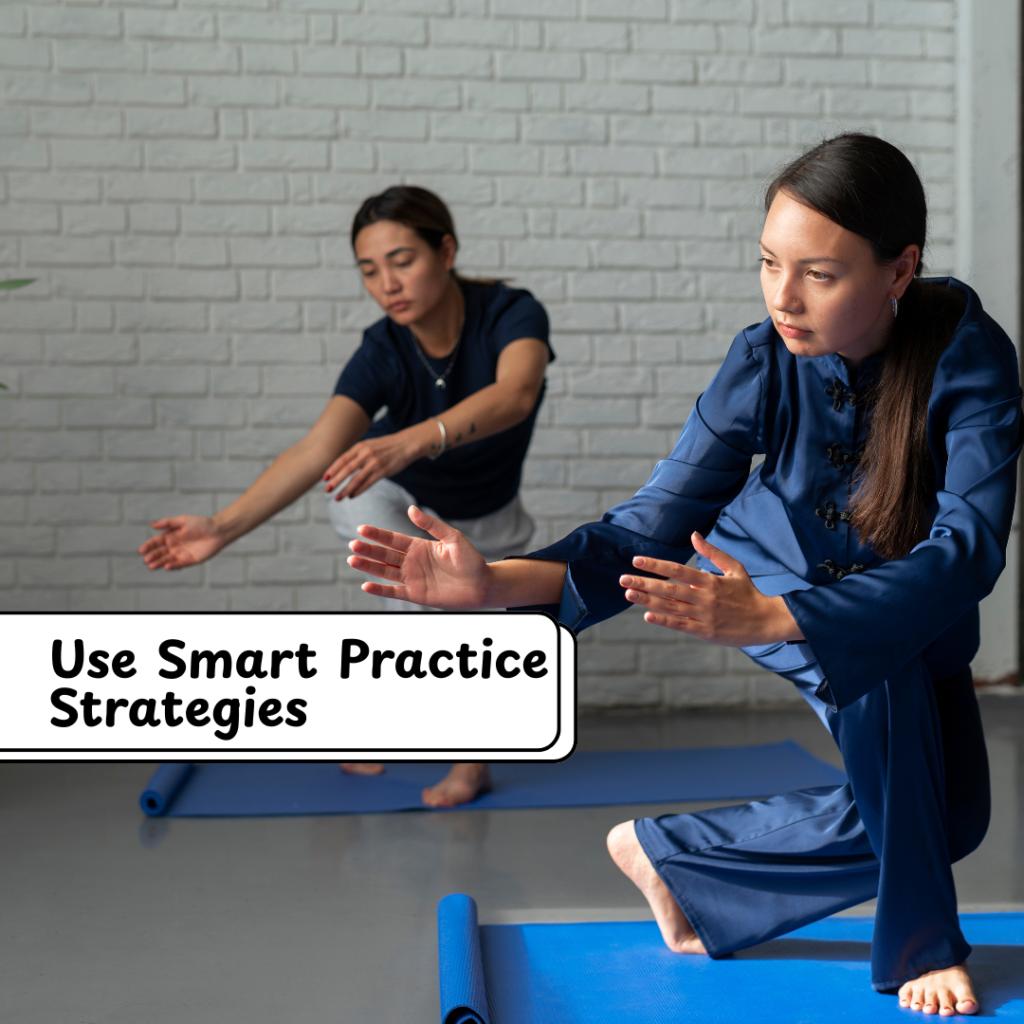
Good trampolining progress comes from how you practice, not just how often you jump. When you follow a clear structure, every session feels purposeful and safe.
Break Skills into Simple Drills
Start by dividing difficult movements into smaller steps you can repeat with confidence.
- Handstand snap-downs help you learn the rhythm needed for a back handspring.
- Small rebound drills Prepare your legs for stronger take-offs.
- Controlled landings teach your body to stay centred after each move.
This approach reduces hesitation and speeds up learning.
Focus on Quality, Not Endless Reps
The aim is clean execution, not repeating the same mistake.
- Stop and reset when your form slips.
- Keep each attempt sharp so your body remembers the correct technique.
- Short, focused sets work better than long sessions with sloppy alignment.
Tips: Use the right accessories for trampoline to get a stable bounce. A well-fitted spring cover or frame pad helps you stay centred and supports smoother flips.
Better form today means fewer corrections later.
Add Dance-Throughs to Build Flow
Practice your routine without tumbling to strengthen your rhythm and timing.
- Walk through the sequence to match your arms, legs and breaths.
- Use light steps to feel the pace of each transition.
- Dance improves endurance and teaches your body to stay calm under pressure.
- These rehearsals make your full routine feel smoother when you return to the trampoline.
Next, we’ll move towards feedback that helps you stay motivated and maintain progress over time.
Tip 5: Ask Your Coach for Feedback
A trained eye often catches things you don’t feel in your body. This is why regular feedback from your coach plays a major role in strengthening your gymnastics skills at a steady, safe pace.
Why Expert Feedback Matters
Coaches see the tiny details that shape your balance, posture and timing. They guide you before a mistake turns into a habit, which makes your progress cleaner and more efficient. Even a slight change in alignment can change how a move feels and how confidently you perform it.
What Coaches Usually Correct
- Posture and alignment
- Form and technique
- Timing and rhythm
Simple Action Steps
You can apply this approach right away by doing the following:
- Please record your practice and review it with your coach.
- Ask for one key cue to focus on in each session.
- Practice the correct movement slowly before going full speed.
Useful Expert Tips: And for parents whose children love gymnastics and want to build those skills early, a soft play centre is a great place to start.
With consistent feedback, every bounce becomes more controlled, and every skill feels more secure.
Conclusion
As we come to the end of this guide, it helps to look back at the core ideas that shape steady progress in trampolining. We explored how the right equipment supports cleaner takeoffs, how correct technique keeps your movements controlled, and how strength training builds the power you need for higher and safer jumps. We also looked at smart practice habits. Mental focus, coach feedback and simple observation skills will help you grow with confidence. Each element works together, and when used consistently, they turn your daily practice into the real improvement you can feel.
When you apply these tips to your routine, you build a style that is safer, stronger and more polished. You stay in better control of your body, and your skills start to settle in a way that makes each move look and feel more natural.