Dorian West: From Police Officer to England Rugby World Cup Hero
A remarkable journey from the Leicestershire Constabulary to the highest level of international rugby

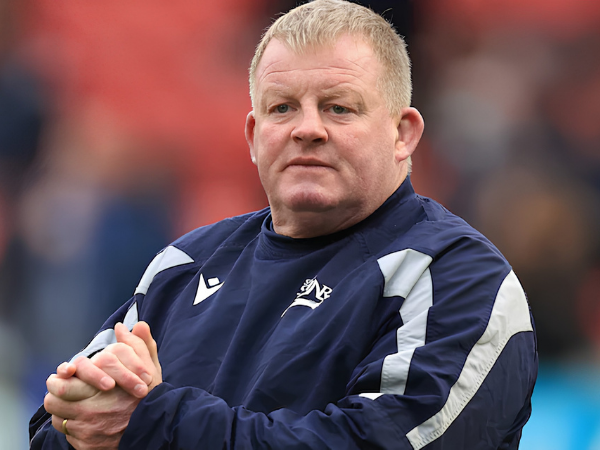
Dorian West is a former England international rugby union hooker, coach and 2003 Rugby World Cup winner. Born on 5 October 1967, he began his sporting career as a flanker before converting to hooker and eventually becoming an important Leicester Tigers player. Before professional rugby, West served as a police officer with the Leicestershire Constabulary’s armed response unit. He won 21 England caps between 1998 and 2003, toured Australia with the British & Irish Lions in 2001 and later built a successful coaching career with Northampton Saints and Sale Sharks.
Introduction
Dorian West’s career is unusual even by the standards of elite sport. His route to international rugby did not follow the typical academy-to-professional pathway.
Instead, he combined a career in policing with a growing reputation on the rugby field before making the transition into professional rugby. His determination eventually took him to Leicester Tigers, England and the British & Irish Lions.
The biggest achievement came in 2003, when West was part of England’s historic Rugby World Cup-winning squad. His career did not end there, however. He went on to establish himself as a respected forwards coach.
Who Is Dorian West?
Dorian Edward West MBE is a former English rugby union player who specialised as a hooker. He was born in Wrexham, Wales, on 5 October 1967, although his family moved to England when he was young.
Standing around 1.80 metres tall and weighing approximately 100kg during his playing career, West became known for his work in the front row and his physical approach to the game. His nickname was “Nobby”.
He represented England from 1998 to 2003, collecting 21 international caps and 15 points. He also represented the British & Irish Lions during their 2001 tour of Australia.
Early Life and Background
West’s early life was shaped by a move from Wales to England. He developed an interest in rugby and began playing in the East Midlands, eventually joining Leicester Tigers.
Interestingly, he did not initially play in the position that would make him famous. West started out as a flanker for Leicester Tigers, demonstrating his versatility before a move to Nottingham in 1991 resulted in his conversion to hooker.
Before rugby union became fully professional, West also worked as a police officer with the Leicestershire Constabulary’s armed response unit. This unusual chapter of his life remains one of the most distinctive aspects of his biography.
Education
Ashby Grammar School
West attended Ashby Grammar School, which is listed among his educational and rugby background records. His early development in the East Midlands helped provide the foundation for his eventual professional career.
Unlike many modern international rugby players, his route into the elite game was not built around a highly structured professional academy system. His progress was instead shaped by club rugby, work and experience.
Career Journey
From Flanker to Hooker
West’s conversion to hooker proved to be a major turning point. After moving to Nottingham in 1991, he developed in the position that would eventually lead him to international recognition.
He later returned to Leicester Tigers and became an important member of a highly successful side. His form during the 2000–01 season helped bring him back into England contention.
England International Career
West made his England debut in 1998 against France, having been selected by coach Clive Woodward. His international career eventually stretched across five years.
His performances earned him regular involvement in England squads, and he was also trusted with the captaincy for a World Cup warm-up match against France in Marseille in 2003.
British & Irish Lions
One of the most memorable episodes of West’s career came in 2001.
While on holiday in Spain with his family, he received a last-minute call to join the British & Irish Lions tour of Australia after an injury to England hooker Phil Greening. He travelled with almost no preparation and made his Lions debut against the ACT Brumbies in Canberra.
West performed strongly enough to earn a place among the replacements for the final two Tests. Although he did not appear in those Tests, being selected for the Lions remains one of the highest honours in British and Irish rugby.
2003 Rugby World Cup
The defining moment of West’s playing career arrived in Australia in 2003.
He was involved in five match-day squads during the tournament and played twice, including starting against Uruguay and appearing from the bench against France in the semi-final. He was also among the replacements for the final, when England defeated Australia 20–17 after extra time to win their first men’s Rugby World Cup.
Although West did not take the field in the final, he was officially part of England’s victorious World Cup squad. He was subsequently awarded an MBE.
Major Achievements
West’s playing career contains an impressive collection of honours.
At Leicester Tigers, he was involved in the club’s golden period and started both the 2001 and 2002 Heineken Cup finals. He also won domestic honours during his time with the Tigers.
His major achievements include:
- England international with 21 caps
- 2001 British & Irish Lions tourist
- 2003 Rugby World Cup winner
- Leicester Tigers honours
- Two Heineken Cup final starts
- MBE recipient
- Successful Premiership rugby coach
His coaching career added another significant chapter. At Northampton Saints, West worked alongside Jim Mallinder from 2007 and helped the club return to the top flight before winning major silverware, including the 2014 Premiership title and European Challenge Cup.
Why Is Dorian West Popular?
West remains popular because his story goes beyond rugby statistics.
The combination of policing, club rugby, international selection, Lions duty and World Cup success makes his career particularly distinctive. He also represents an era when determination and experience could take a player to the highest level even without following today’s conventional development route.
His transition from flanker to hooker is another reason his career attracts interest. It demonstrates how adapting to a new position can completely change a player’s prospects.
Personal Life
Dorian West Family
West has generally kept his family life away from the spotlight. However, his wife and children have occasionally been mentioned in accounts of his rugby career.
During his unexpected 2001 Lions call-up, West was on holiday with his wife and children when he was asked to travel to Australia. He later recalled the extraordinary journey, which involved leaving his family behind to join the Lions. Contemporary and later accounts confirm that he has a wife and children, although detailed information about his family is not widely publicised.
Dorian West Age
How Old Is Dorian West?
Dorian West was born on 5 October 1967. Therefore, he is 58 years old as of August 2026 and will turn 59 in October 2026.
His longevity in rugby is notable because he continued to contribute to the professional game after retiring as a player, moving into coaching and player development.
Dorian West Net Worth
There is no reliable publicly verified figure for Dorian West’s net worth.
While his long playing career, international rugby experience and more than a decade of top-level coaching would have provided substantial professional earnings, it would be speculative to assign a precise fortune without credible financial records.
For that reason, claims about a specific Dorian West net worth should be treated cautiously. His professional achievements are much better documented than his personal finances.
Dorian West Wikipedia
People searching for Dorian West Wikipedia will find a biography covering his playing career, international rugby, education, coaching work and major achievements.
Wikipedia is useful for basic reference information, but official rugby organisations and established sporting publications provide additional context, particularly for his British & Irish Lions career and coaching history. The British & Irish Lions records, for example, confirm his 2001 tour and his appearance against the ACT Brumbies.
Interesting Facts
One of the most interesting facts about West is that he did not always play hooker. His early career as a flanker makes his eventual success in the front row even more notable.
Another fascinating detail is his Lions call-up. West was on holiday when the emergency request arrived, forcing him to make a remarkably rapid journey to Australia.
He also became a coach after retirement, proving that his rugby knowledge extended beyond playing. At Northampton Saints, his forwards played a major role in the club’s successful period, while his later work at Sale Sharks continued his influence on professional rugby.
Future Plans or Current Work
West has continued working in professional rugby as a coach. Sale Sharks appointed him as forwards coach in 2018 after his 11-year spell with Northampton Saints, and more recent Sale material continues to identify him with the club’s coaching environment.
His role has also included helping develop younger forwards and passing on the technical and tactical knowledge accumulated during his playing career.
That coaching longevity shows that West’s influence on rugby did not end when he retired from international competition.
Conclusion
Dorian West’s story is one of adaptability, resilience and achievement. From serving with the Leicestershire Constabulary’s armed response unit to becoming an England international, his path to elite rugby was far from conventional.
He successfully transformed himself from a Leicester Tigers flanker into a respected international hooker, earned a British & Irish Lions call-up and became part of England’s historic 2003 Rugby World Cup-winning squad. His later success as a coach at Northampton Saints and Sale Sharks added another dimension to an already remarkable career.
For anyone searching for Dorian West age, family, net worth or Wikipedia, the most important point is that his legacy rests on more than statistics. His journey from police officer to World Cup winner and respected coach makes him one of the more fascinating figures in modern English rugby.