Prepaid Financial Services: Revolutionizing Digital Payments for Individuals and Businesses
Understanding the Impact, Benefits, and Challenges of Prepaid Financial Services in Today’s Economy

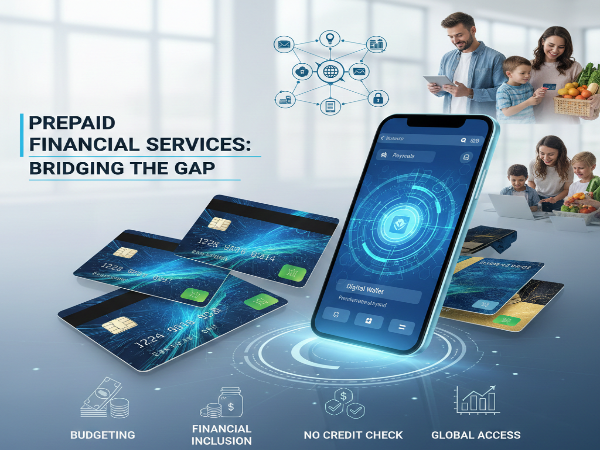
Prepaid financial services are transforming the way individuals and businesses manage money in the digital era. Unlike traditional banking, these services provide preloaded cards and digital wallets that allow users to make payments, access funds, and manage expenses without requiring a credit history or full bank account. With applications ranging from personal budgeting to payroll management and government disbursements, prepaid financial services are bridging the gap between traditional banking and the unbanked population, offering convenience, security, and financial inclusion for millions globally.
Introduction to Prepaid Financial Services
Prepaid financial services have emerged as a modern alternative to traditional banking. At their core, these services involve preloaded financial tools, such as prepaid cards, digital wallets, and account-based platforms, designed to simplify money management. Unlike debit or credit cards, prepaid cards are funded in advance, which ensures that users can only spend the amount loaded onto the card. This simple yet powerful concept has made prepaid financial services highly popular among individuals seeking budget control and businesses looking for efficient payment solutions.
How Prepaid Financial Services Work
Prepaid financial services function by providing a digital or physical card that is preloaded with funds. Users can reload these cards via bank transfers, cash deposits, or employer payments. Once funds are loaded, the card or wallet can be used for:
-
Online and in-store purchases
-
ATM withdrawals
-
Bill payments and subscriptions
-
International transactions
The key feature of prepaid financial services is that the user cannot spend beyond the loaded balance, which eliminates the risk of overdraft and uncontrolled debt. Many providers also offer additional features such as budgeting tools, real-time notifications, and reward programs, further enhancing the user experience.
The Growth of Prepaid Financial Services
The rise of prepaid financial services has been driven by several factors:
-
Financial Inclusion: A large portion of the global population remains unbanked or underbanked. Prepaid financial services provide these individuals with access to digital payments without the need for a traditional bank account.
-
Technological Advancements: Mobile banking apps and digital wallets have made it easier for users to manage funds and make payments through prepaid services.
-
Business Solutions: Companies increasingly use prepaid services for employee payroll, incentive programs, and expense management, reducing administrative burdens.
-
Regulatory Support: Governments and financial authorities support prepaid financial services as a tool for financial inclusion and cashless economies.
Key Benefits of Prepaid Financial Services
1. Enhanced Financial Control
Prepaid financial services offer users complete control over their spending. Because funds are preloaded, users cannot exceed their balance, making it an ideal tool for budgeting and preventing overspending. This is particularly beneficial for young adults, students, and individuals who are new to financial management.
2. Accessibility for All
Prepaid financial services are available to individuals without a credit history, social security number, or formal bank account. This accessibility makes it a preferred choice for those who are traditionally excluded from financial systems.
3. Security and Fraud Protection
Prepaid cards and digital wallets reduce the risks associated with carrying cash. Most providers also include features like fraud monitoring, instant alerts, and zero-liability policies, which protect users against unauthorized transactions.
4. Business Efficiency
For companies, prepaid financial services streamline payroll distribution, reimbursements, and incentive programs. Employers can issue cards to employees, contractors, or partners, simplifying financial transactions and reducing administrative workload.
5. Global Usability
Many prepaid financial services are powered by major card networks such as Mastercard and Visa, allowing users to make purchases and withdrawals worldwide. This is particularly valuable for businesses operating internationally or individuals who travel frequently.
Types of Prepaid Financial Services
1. Physical Prepaid Cards
These resemble traditional debit or credit cards but are preloaded with funds. They can be used at physical stores, online merchants, and ATMs. Physical cards are particularly useful for in-person transactions and everyday purchases.
2. Virtual Prepaid Cards
Virtual prepaid cards exist entirely in digital form and are ideal for online transactions. Users can generate temporary card numbers for one-time purchases, enhancing security and reducing the risk of fraud.
3. Digital Wallets and Mobile Accounts
Digital wallets linked to prepaid services allow users to store money, make payments, and manage transactions directly from their mobile devices. Features often include fund transfers, bill payments, and real-time transaction notifications.
4. Business-Focused Prepaid Solutions
Some prepaid services are tailored specifically for corporate use. These include multi-card programs for employee expenses, vendor payments, and incentive distribution, all managed through centralized digital platforms.
How Prepaid Financial Services Promote Financial Inclusion
Financial inclusion remains a critical global challenge. Millions of people worldwide lack access to banking services due to geographical, socioeconomic, or regulatory barriers. Prepaid financial services help bridge this gap by providing:
-
Access to digital payments for the unbanked
-
Tools to manage personal finances without credit dependency
-
Opportunities to participate in the digital economy
By enabling individuals to store, send, and spend money securely, prepaid financial services contribute to greater economic participation and independence.
Common Challenges and Limitations
While prepaid financial services offer numerous advantages, there are also potential drawbacks to consider:
-
Fees and Charges: Some prepaid services charge activation fees, monthly maintenance fees, or ATM withdrawal fees, which can reduce overall value.
-
Limited Financial Growth: Prepaid balances typically do not earn interest or contribute to credit history building.
-
Merchant Acceptance: Certain merchants or services may not accept prepaid cards, particularly for large transactions or recurring payments.
-
Reliability Concerns: Users depend on the provider’s systems and customer service. Outages or technical issues can affect access to funds.
Understanding these limitations is essential for maximizing the benefits of prepaid financial services.
Regulatory and Security Considerations
Prepaid financial services operate under strict financial regulations in many countries. Providers are often required to:
-
Be licensed as electronic money institutions
-
Follow anti-money laundering (AML) and know-your-customer (KYC) regulations
-
Maintain secure transaction systems
These regulations are designed to protect users, prevent fraud, and ensure that prepaid financial services operate with transparency and reliability.
The Role of Technology in Prepaid Financial Services
Modern technology is central to the success of prepaid financial services. Key technological innovations include:
-
Mobile apps for real-time account management
-
AI-powered fraud detection systems
-
Blockchain-based solutions for secure transactions
-
Integration with payment networks like Visa and Mastercard
These technological advances ensure that prepaid financial services remain safe, convenient, and accessible for a wide range of users.
Prepaid Financial Services for Businesses
Businesses of all sizes benefit from prepaid financial services. They can:
-
Distribute wages quickly to employees or contractors
-
Manage corporate expenses without cash or traditional bank transfers
-
Implement incentive programs for performance or loyalty
-
Ensure transparent and trackable transactions
For companies operating in multiple locations, prepaid financial services provide a unified platform to manage financial operations efficiently.
Case Studies and Real-World Applications
Government Programs
Several governments use prepaid financial services to distribute welfare payments, unemployment benefits, and stimulus funds. Prepaid cards ensure secure and timely disbursement, reduce cash handling costs, and enable recipients to access funds conveniently.
Corporate Expense Management
Companies issue prepaid cards to employees for travel, procurement, and operational expenses. This simplifies accounting, reduces errors, and eliminates the need for manual reimbursements.
Personal Finance Management
Individuals use prepaid financial services to control monthly spending, save for specific goals, and manage family allowances. This approach fosters better budgeting habits and financial discipline.
Future Trends in Prepaid Financial Services
The future of prepaid financial services is promising, with several emerging trends:
-
Increased Adoption of Digital Wallets: Mobile-first solutions are expected to dominate the prepaid landscape.
-
Integration with Emerging Technologies: AI, machine learning, and blockchain will enhance security and personalization.
-
Global Expansion: Prepaid financial services will continue to grow in underbanked regions, expanding access to millions of new users.
-
Innovative Business Solutions: Corporate programs will become more sophisticated, integrating payroll, rewards, and expense management into unified platforms.
Conclusion
Prepaid financial services have revolutionized the way people and businesses manage money. They provide convenience, security, financial control, and inclusion for users worldwide. By bridging the gap between traditional banking and the unbanked population, these services empower individuals to participate in the digital economy and allow businesses to streamline financial operations.
As technology continues to advance and regulatory frameworks evolve, prepaid financial services are poised to become an even more integral part of the global financial ecosystem, offering a flexible and reliable solution for both personal and corporate financial management.