xResolver: The Hidden Threat to Online Privacy Every Gamer Must Know
Understanding xResolver and Its Risks in the Digital Age

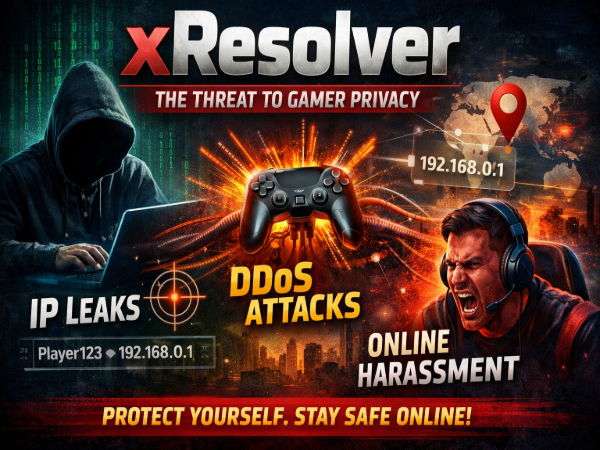
In today’s digital world, online privacy is under constant threat, and tools like xResolver are shining a spotlight on how vulnerable gamers and internet users can be. xResolver is a tool designed to link gaming usernames and online identifiers to their IP addresses. While it may seem harmless at first glance, the reality is that the information it exposes can be exploited for cyberattacks, hacking attempts, harassment, and other malicious activities. With millions of gamers worldwide relying on online platforms, understanding how xResolver works and how to protect your privacy is critical.
What is xResolver?
xResolver is an online service that collects IP addresses linked to gaming usernames from platforms such as Xbox, PlayStation, and PC. These addresses are typically obtained through multiplayer sessions where data packets are exchanged between players. Once collected, xResolver stores this information in its database, making it searchable by anyone who knows a gamer’s username.
The platform is controversial because it allows potentially anyone to gain access to personal network information without the consent of the individual. Although the site itself does not hack into devices, the data it provides can be misused in dangerous ways. Gamers often underestimate the sensitivity of their IP addresses, but these numbers can reveal more than just location—they are keys to understanding and potentially targeting a person’s network.
How xResolver Works
xResolver operates primarily by gathering IP addresses through multiplayer online gaming. Here’s how the process typically works:
-
Data Collection: When a gamer plays online, packets of data are exchanged between devices to facilitate gameplay. These packets include the IP addresses of the players.
-
Database Storage: xResolver collects these IP addresses and stores them in a searchable database.
-
Lookup Functionality: Users can input a gamertag or online username to retrieve the associated IP address if it exists in the database.
While this might seem like a harmless curiosity tool, it poses significant privacy risks. Exposing an IP address makes it possible for someone to estimate a user’s location, monitor online activity, or even launch targeted attacks.
Why Gamers Should Be Concerned
Gamers are particularly vulnerable because online gaming is inherently social. Multiplayer games require real-time connections between users, which inherently exposes IP addresses. The risks associated with xResolver include:
-
Cyberattacks: Malicious users can target exposed IPs with Distributed Denial of Service (DDoS) attacks, effectively cutting off a player’s internet access.
-
Harassment: Knowing someone’s IP address can make it easier for harassers to locate, stalk, or intimidate users online.
-
Hacking Attempts: Skilled hackers can exploit network vulnerabilities associated with exposed IP addresses.
-
Privacy Breaches: Even if no direct attack occurs, the exposure of network data constitutes a breach of personal privacy.
The gaming community has started to take notice of xResolver, and some platforms have begun to educate users about the importance of hiding IP addresses to maintain a safer gaming environment.
Legal and Ethical Concerns
Although xResolver itself does not directly hack systems, its use raises significant legal and ethical questions. Many countries do not have laws prohibiting the collection of IP addresses per se, but using such information for harassment or attacks is illegal. Additionally, most gaming platforms prohibit sharing personal data that can harm other players. Using xResolver to intentionally target someone may result in account suspensions or legal consequences.
From an ethical standpoint, exposing someone’s IP address without consent is a violation of digital privacy. Even if the intent is harmless, it sets a dangerous precedent for online behavior. Gamers, parents, and online communities must understand the implications of using such services.
How IP Addresses Work and Why They Matter
An IP address (Internet Protocol address) is a unique number assigned to every device connected to the internet. It functions like a digital home address, allowing data to travel to and from your device. While an IP address alone does not reveal a person’s exact identity, it can show:
-
Approximate physical location
-
Internet service provider (ISP) details
-
Potential vulnerabilities in the network
Because of this, IP addresses are considered sensitive information. Once exposed, they can be misused in various ways, making tools like xResolver potentially dangerous if used irresponsibly.
Methods to Protect Yourself from xResolver
While the risks are real, there are several ways gamers and internet users can protect themselves:
-
Use a VPN: A Virtual Private Network masks your real IP address, making it extremely difficult for anyone to trace your location.
-
Avoid Peer-to-Peer Hosting: Multiplayer games that connect directly between players expose your IP. Using server-hosted matches reduces this risk.
-
Change Your Public IP: Restarting your router or contacting your ISP to obtain a new IP address can prevent repeated exposure.
-
Limit Sharing Online: Avoid sharing gamertags or usernames publicly if privacy is a concern.
-
Enable Firewalls and Security Features: Most modern devices and routers come with features that help block unwanted connections.
By taking these steps, users can significantly reduce the risk of falling victim to attacks or harassment facilitated by IP exposure.
The Role of Online Communities in Mitigating Risks
Online gaming communities play a crucial role in maintaining a safer environment. Awareness campaigns, reporting tools, and in-game safety features are all part of the strategy to combat misuse of IP address lookup tools like xResolver. Platforms can also enforce stricter policies to prevent malicious use of personal network data.
Community-driven approaches, such as peer education and moderation, ensure that new players understand the risks associated with exposing IP addresses. Gamers can also share safe practices, such as using VPNs or avoiding certain risky multiplayer configurations.
Myths and Misconceptions About xResolver
There are several misconceptions about xResolver that need clarification:
-
Myth 1: xResolver Hacks Devices – In reality, xResolver does not hack computers or consoles. It only collects publicly exposed IP addresses.
-
Myth 2: IP Address Exposure is Harmless – Exposing an IP can lead to harassment, location tracking, or cyberattacks. The risks are very real.
-
Myth 3: Paid Services Protect You Completely – Some services claim to “blacklist” your IP from xResolver, but the best protection comes from changing your IP and using VPNs.
Understanding these myths helps users make informed decisions about online safety.
The Future of Privacy in Online Gaming
As online gaming continues to grow, privacy concerns are becoming increasingly important. Tools like xResolver highlight the need for better protection mechanisms and user education. Future solutions may include:
-
Enhanced privacy settings on gaming platforms
-
Automated IP masking during gameplay
-
Stricter regulations against IP data misuse
-
Improved digital literacy for gamers
Gamers, developers, and policymakers must work together to ensure that online environments remain safe, enjoyable, and respectful of privacy.
Conclusion
xResolver serves as a reminder of the importance of online privacy, especially for gamers. While it may appear as a simple tool to lookup gamertags, the information it exposes can have real-world consequences. Cyberattacks, harassment, and privacy breaches are genuine risks that require proactive protection measures. Using VPNs, limiting public exposure of usernames, and understanding the sensitivity of IP addresses are essential steps to safeguard personal data.
By staying informed and practicing responsible online behavior, gamers and internet users can enjoy the digital world without compromising their privacy. Awareness, education, and protective tools are key to navigating a world where online threats like xResolver exist.
