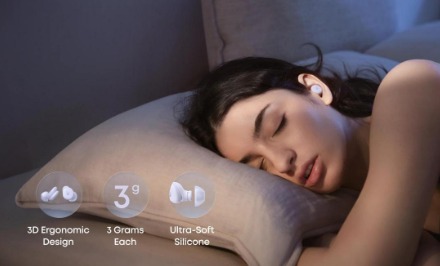
Sleep experts often suggest a quiet, dark bedroom, yet many people sleep better with rain, white noise, or a fan. Both silence and sound can support good sleep when they fit the environment and the sleeper. Deep sleep is fragile when the brain hears unpredictable noise, while a steady sound can protect rest by reducing changes. The goal is not the most popular option but a consistent sound environment your brain can ignore. In this article, we explain whether sound or silence is better for deep sleep and how to find your own answer.
How Sound and Silence Affect Deep Sleep
Why Silence Supports Sleep for Most People
During deep sleep, the body recovers, consolidates memory, and strengthens the immune system, and the brain is more vulnerable to sound than during lighter stages. A silent room removes one source of arousal and helps sleep stay in longer, uninterrupted blocks. Noise that changes suddenly can cause a shift to lighter sleep or a full awakening even when you do not remember it the next day. That is why people near traffic, noisy neighbours, or shared walls often feel less restored. For someone who already sleeps in a quiet home, adding sound may provide no benefit and can even become a new habit that is hard to break.
When Gentle Sound Becomes Useful
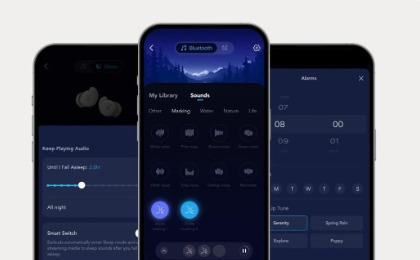
Sound helps when the environment contains disruptive noise that you cannot remove, because a steady signal can mask the unpredictable sounds that wake the brain. It also helps after travel, in a new bed, or when sharing a room. Some people simply relax more quickly with a familiar noise, and that psychological comfort can shorten the time it takes to fall asleep. If you want to add a steady sound without filling the whole room, soundcore sleep earbuds are one practical way to try it, with personalised sounds and noise masking kept close to your ear. Keep the volume low and use a consistent track so the audio supports sleep instead of becoming another sound to notice.
Choose Bedtime Audio Intentionally
Match the Sound to Each Part of the Night
Different moments of sleep benefit from different audio because winding down, falling asleep, and staying asleep are not the same task. Calm music, a podcast, or a guided meditation may help you relax before bed, while a steady loop of white noise, rain, or ocean is usually better for staying asleep through the night. Interesting speech should be saved for earlier in the routine. If you wake in the middle of the night, a familiar sound that fades into the background helps you return to sleep more easily than a new or complex track. Choose audio that supports the whole night instead of only the first few minutes.
Keep Volume Low and the Pattern Consistent
The volume should be just high enough to cover disruptive noise but low enough to be ignored, and a loud sound is not better sleep support. Consistency matters because the brain learns to treat the same gentle sound as part of a safe environment rather than as a signal to stay alert. A smooth loop prevents jarring pauses that can wake you between sleep stages. Keep the sound close to your own ear, such as through earbuds or a bedside speaker, so your partner can choose their own preference. Once you find a setting, leave it alone instead of adjusting it after every sound.
Find What Works for Your Own Sleep
Test One Change at a Time
Try silence for several nights and then a chosen sound for several nights, keeping the rest of your routine the same so the comparison is fair. Write down roughly how long it takes to fall asleep, how often you wake, and how rested you feel in the morning. Do not judge the experiment after a single night because stress, meals, or a different bedtime can change the result. If sound seems helpful, keep it at the same volume for a few weeks to let your brain form a consistent association. If it makes no clear difference, return to silence without feeling that you failed.
Use Sleep Insights Without Chasing Perfect Numbers
Sleep trackers and app reports can show broad patterns such as restlessness, estimated sleep time, or how long you stay awake, and these trends are more useful than any single score. The numbers are not a medical diagnosis, so avoid becoming anxious when a night looks worse than it felt. Use the insights to test one habit, such as changing the sound or the volume, rather than trying to optimise every minute of the night. If you find that checking the report makes you worry, skip it for a few days and rely on how you feel. Deep sleep improves through consistent routines and a calm environment, not through perfect data.
Conclusion
The best bedtime environment is one your brain can ignore, whether silence, steady sound, or both. Silence helps most in an already calm room, while sound protects sleep from unexpected noise. Use a low, consistent sound if you need it, matched to the part of the night you are trying to support. Test one approach at a time and use insights to understand trends without turning rest into a performance. With a little experimentation, you can build a setup that supports the deep sleep you need.