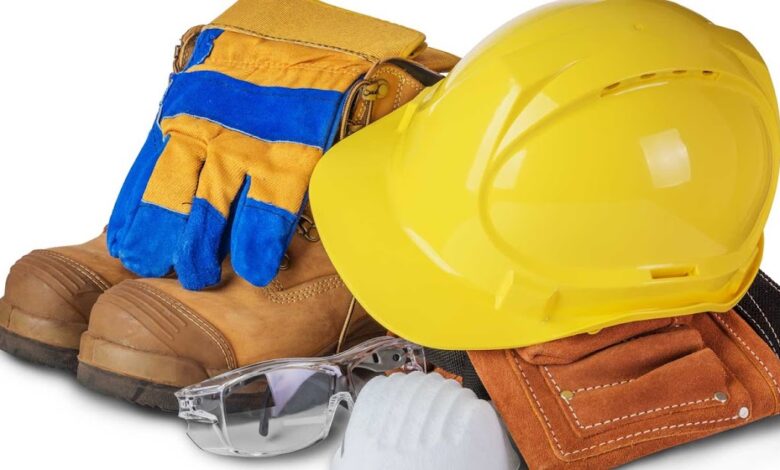
Engineering is at the heart of innovation, infrastructure, and industrial growth. From constructing skyscrapers to maintaining complex machinery, engineers rely on precision, efficiency, and the right set of tools to get the job done. In modern industries, having knowledge of essential tools is not just beneficial—it is critical for ensuring safety, accuracy, and productivity.
This guide explores the top 5 industrial tools every engineer should know, along with their applications, benefits, and why they are indispensable in today’s engineering landscape.
1. Hydraulic Bolt Tensioners
Hydraulic bolt tensioners are one of the most advanced tools used in heavy industries where precision bolting is required. Unlike traditional tightening methods, these tools apply controlled hydraulic force to stretch the bolt before tightening the nut. This ensures even load distribution and eliminates inconsistencies caused by friction.
These tools are widely used in industries such as:
- Oil and gas
- Power generation
- Heavy equipment manufacturing
- Offshore platforms
The primary advantage of hydraulic bolt tensioners is their ability to deliver accurate and uniform tension, which significantly reduces the risk of bolt failure. This is especially important in high-pressure environments where even a small error can lead to catastrophic consequences.
Engineers working with flanges, turbines, or pressure vessels often rely on these tools to ensure structural integrity. If you want to learn more, explore this detailed resource on hydraulic bolt tensioners: learn more
2. Torque Wrenches
Torque wrenches are a fundamental tool in any engineer’s toolkit. They are designed to apply a specific amount of torque to a fastener, ensuring that bolts and nuts are tightened to exact specifications.
Improper torque application can lead to:
- Equipment failure
- Safety hazards
- Increased maintenance costs
There are several types of torque wrenches, including:
- Click torque wrenches
- Digital torque wrenches
- Hydraulic torque wrenches
Each type serves a specific purpose, but all share the same goal: precision. Engineers use torque wrenches extensively in automotive, aerospace, and manufacturing industries where accuracy is non-negotiable.
3. Laser Measuring Tools
Gone are the days when measuring tapes were the only option for distance measurement. Laser measuring tools have revolutionized the way engineers measure spaces and dimensions.
These tools provide:
- High accuracy
- Fast measurements
- Reduced human error
Laser measuring devices are commonly used in:
- Construction projects
- Architectural planning
- Interior design
- Industrial layout planning
With the ability to measure long distances instantly, these tools save time and improve efficiency. Many modern laser tools also come with digital displays and memory functions, allowing engineers to store and analyze data easily.
4. Industrial Multimeters
Electrical systems are a crucial part of modern engineering projects, and industrial multimeters play a key role in maintaining them. These devices are used to measure electrical parameters such as voltage, current, and resistance.
Multimeters are essential for:
- Troubleshooting electrical faults
- Testing circuits
- Ensuring system safety
Advanced multimeters offer additional features like:
- Temperature measurement
- Frequency analysis
- Data logging
Engineers working in electrical, electronics, and maintenance fields depend on multimeters to diagnose problems quickly and accurately. Without them, identifying faults in complex systems would be extremely challenging.
5. Pneumatic Power Tools
Pneumatic tools are powered by compressed air and are widely used in industrial environments due to their durability and efficiency. These tools are designed for high-speed, repetitive tasks, making them ideal for manufacturing and assembly lines.
Common pneumatic tools include:
- Air drills
- Impact wrenches
- Nail guns
- Sanders
The key benefits of pneumatic tools are:
- High power-to-weight ratio
- Reduced overheating
- Longer lifespan compared to electric tools
Because they do not rely on electricity, pneumatic tools are also safer to use in environments where electrical hazards are present. Engineers often choose these tools for heavy-duty applications where reliability is crucial.
Why These Tools Matter in Modern Engineering
The engineering industry is constantly evolving, with new technologies and tools emerging every year. However, the tools listed above remain fundamental due to their reliability, efficiency, and wide range of applications.
Understanding and mastering these tools helps engineers:
- Improve work accuracy
- Enhance productivity
- Ensure workplace safety
- Reduce operational costs
In addition, engineers who are skilled in using modern industrial tools are more valuable in the job market. Employers prefer professionals who can handle advanced equipment and contribute to efficient project execution.
Tips for Engineers When Using Industrial Tools
To maximize the benefits of these tools, engineers should follow best practices:
1. Regular Maintenance
Always inspect and maintain tools to ensure optimal performance and longevity.
2. Proper Training
Using industrial tools without proper knowledge can lead to accidents. Training is essential.
3. Follow Safety Standards
Adhere to industry safety guidelines to prevent injuries and equipment damage.
4. Choose the Right Tool
Using the wrong tool for a job can compromise results and safety.
5. Stay Updated
Technology evolves rapidly, so engineers should keep learning about new tools and innovations.
Conclusion
Industrial tools are the backbone of engineering operations. From hydraulic bolt tensioners to pneumatic power tools, each plays a vital role in ensuring precision, safety, and efficiency in various industries.
By mastering these essential tools, engineers can not only improve their performance but also contribute to the success of complex projects. As industries continue to advance, staying equipped with the right tools and knowledge will remain a key factor in achieving engineering excellence.