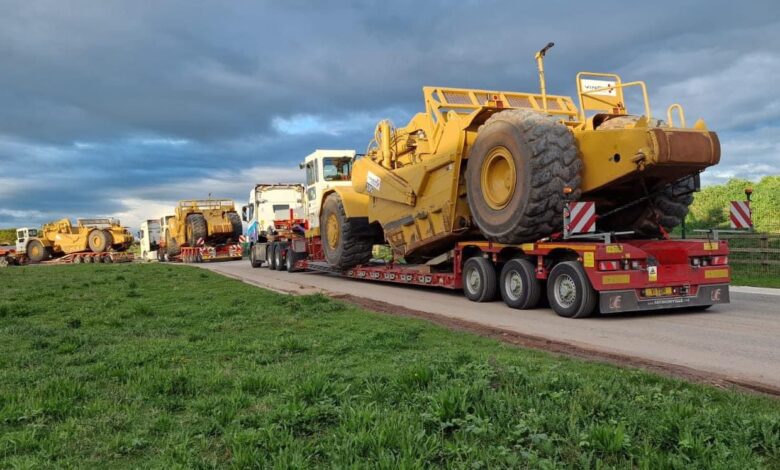
When it comes to moving heavy machinery or equipment, understanding the various transport services available is crucial. One of the most effective methods used in the industry is low loader transport. This type of transport is indispensable for safely and efficiently hauling oversized loads that require careful handling and specialised equipment.
What is a Low Loader?
A low loader is a type of flatbed trailer characterised by its drop deck. This design allows the trailer bed to sit lower than a standard trailer, which means taller loads can be transported without exceeding height limits. The lowered deck is crucial for keeping a low centre of gravity, enhancing stability when transporting massive loads.
Features of Low Loader Trailers
Low loader trailers are equipped with a range of features to accommodate heavy haulage. These may include extending decks, hydraulic steering, and ramps or detachable goosenecks to allow easy loading and unloading of equipment. The versatility of these trailers makes them suitable for various industries, including construction, mining, and agriculture.
Advantages of Using Low Loaders
One of the primary benefits of using low loaders is their ability to transport exceptionally tall or heavy machinery safely. The lowered deck design helps in maintaining compliance with road regulations concerning height limits. Furthermore, their sturdy construction ensures they can bear substantial weight, minimising the risk of damage during transit.
Applications of Low Loader Transport
Low loader transport is a preferred choice for several applications. These trailers are ideal for moving large construction equipment like excavators, bulldozers, and cranes. In the agricultural sector, they are used to transport tractors and other farm machinery. Additionally, in the mining industry, low loaders carry out the critical function of transferring heavy mining equipment between sites.
Choosing the Right Low Loader Service
Selecting the appropriate low loader service requires consideration of several factors. The dimensions and weight of the load, distance of transport, and specific route details all play a role in determining the type of low loader needed. It is essential to work with a service provider experienced in heavy haulage to ensure a successful and compliant operation.
Safety Considerations
Safety is a paramount concern in the heavy haulage industry. Properly securing loads to a low loader is vital to preventing accidents during transport. Operators must be trained in load distribution and securing techniques specific to low loaders. Regular maintenance and inspections of the trailers ensure that safety standards are consistently met.
Regulations and Compliance
Transporting heavy loads is subject to stringent road regulations. Compliance with these regulations ensures safety and prevents legal issues. Knowledge of permits, route planning considering load dimensions, and adherence to designated roads where applicable are all part of the compliance process.
Innovations in Low Loader Design
The low loader industry has seen various innovations aimed at improving efficiency and safety. Advancements include the introduction of hydraulic systems to streamline loading processes and sophisticated suspension systems that enhance ride quality and load security. Continuous development in trailer technology is catering to the ever-growing demands of the industry.
Environmental Impact
While low loader transport is essential for heavy haulage, it is important to consider its environmental impact. Strategies such as route optimisation and load planning can reduce fuel consumption and emissions. Moreover, modern low loaders often feature fuel-efficient technologies that contribute to reducing their environmental footprint.
Cost Considerations
Transporting heavy equipment using low loaders involves various costs. Beyond the rental or purchase price of the trailer, one must factor in operational expenses such as fuel, permits, and potential escort services for oversized loads. An accurate cost-benefit analysis can help in budgeting and decision-making processes.
Case Studies and Examples
Examining case studies of successful low loader transport services provides practical insights into their application. For example, the movement of wind turbine components across Europe highlights the capability of low loaders to handle unconventional loads over long distances, ensuring timely project completion.
Conclusion
In summary, low loader transport plays a pivotal role in the heavy haulage sector by providing reliable solutions for moving oversized and heavy loads. Whether in construction, agriculture, or mining, low loaders offer versatility and safety, backed by robust design and regulatory compliance. Partnering with an experienced provider ensures the success of transportation tasks involving heavy machinery.