Skin hydration is a crucial aspect of maintaining a healthy and glowing complexion. It is essential for preventing dryness, flaking, and irritation, and plays a vital role in keeping the skin’s barrier intact. For expert advice on skin hydration and maintaining a radiant look, there are various treatments and products available that can support your skincare routine.
Understanding Skin Hydration
To truly appreciate the importance of skin hydration, it is necessary to understand what it means. Skin hydration refers to the water content within the skin. Proper hydration ensures that the skin remains soft, resilient, and less prone to damage.
Functions of Well-Hydrated Skin
Well-hydrated skin serves several functions, including a better defence against external aggressors such as pollutants and allergens. It also facilitates more effective cellular repair and regeneration.
Causes of Skin Dehydration
Several factors contribute to skin dehydration. Environmental conditions such as cold weather and wind, over-exposure to sun, and excessive bathing can strip the skin of its natural moisture. It is also important to consider lifestyle factors such as diet and water intake.
Signs of Dehydrated Skin
Dehydrated skin may appear dull, feel tight, and show more prominent lines and wrinkles. It can also become itchy and inflamed if not properly managed.
Moisturising vs. Hydrating
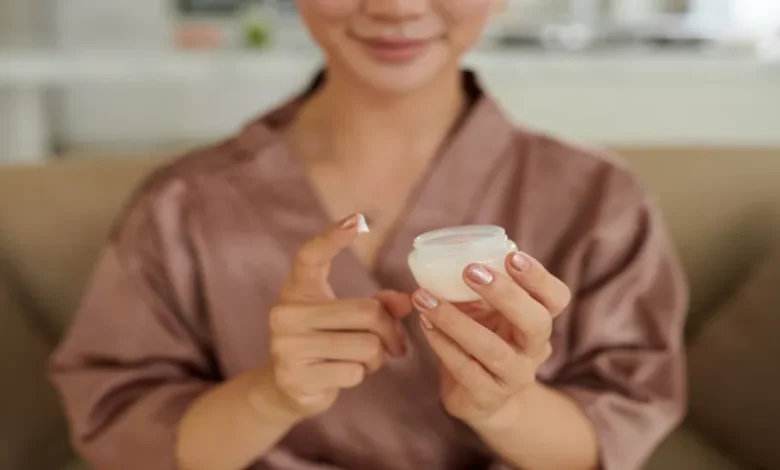
While these terms are often used interchangeably, there is a distinction between moisturising and hydrating the skin. Moisturisers help to lock in moisture by creating a barrier, whereas hydrating products enhance water content at a cellular level.
Ingredients for Skin Hydration
When selecting products for optimal skin hydration, look for ingredients like hyaluronic acid, glycerin, and ceramides. These ingredients are well known for their ability to attract and retain moisture within the skin.
Daily Habits to Enhance Skin Hydration
Incorporating certain rituals into your daily routine can aid skin hydration. Drinking ample water, eating a balanced diet rich in omega fatty acids, and using gentle skin care products are all effective strategies.
Professional Treatments
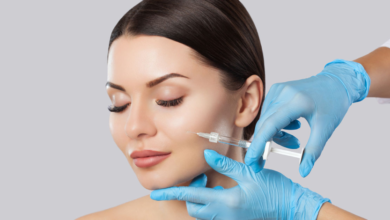
For those seeking professional solutions, there are various treatments designed to enhance skin hydration. These may include hydrating facials, peels, and laser therapies that can provide deeper penetration of hydrating ingredients, ensuring long-lasting results.
The Role of Diet and Hydration
A healthy diet can significantly contribute to skin hydration. Foods rich in essential fatty acids and antioxidants, such as fish, olive oil, and berries, support skin structure and hydration.
Hydration Myths Debunked
There are several misconceptions about skin hydration, such as the idea that oily skin does not need hydration. In fact, all skin types require hydration to function optimally.
Building a Hydration Routine
Creating a skincare routine that prioritises hydration can be transformative. Use a gentle cleanser, follow with a hydrating serum, and seal it all with a suitable moisturiser to maintain long-term hydration.
Seasonal Adjustments
As seasons change, so do hydration needs. During winter, you might need a richer moisturiser, while summer skin benefits from lighter, gel-based formulations.
Hydration Mistakes to Avoid
Avoiding over-cleansing and using overly hot water can prevent skin dehydration. It is also essential to choose the right products that suit your skin type.
Conclusion
Maintaining optimal skin hydration requires a comprehensive approach that includes lifestyle adjustments, product selection, and possibly professional interventions. Understanding these components ensures that your skin remains healthy, resilient, and radiant year-round.