Capturing the perfect musical arrangement often requires a combination of technical skill, expensive equipment, and significant time investment. For many writers and poets, the transition from text on a page to a melodic composition is a daunting process. However, the rise of an AI Music Generator provides a streamlined solution that translates linguistic intent into harmonious soundscapes. By leveraging sophisticated algorithms, creators can now experiment with various musical identities without needing to master a physical instrument or complex software interfaces.
The psychological hurdle of “starting from scratch” is often the greatest obstacle in any creative endeavor. Automated music tools act as a collaborative partner, offering a baseline of inspiration that can be further refined or used as a final product. In my experience, the ability to hear a lyrical concept performed in a specific style within minutes significantly accelerates the creative cycle. While the technology is an impressive feat of engineering, it serves primarily as a bridge that connects a person’s raw imagination to a tangible, shareable auditory format.
Structural Integrity In Generative Musical Compositions
A common concern with automated music is whether the resulting tracks follow a logical progression. Advanced platforms now utilize models that understand the fundamental architecture of a song, including the relationship between different sections. This ensures that the transition from a verse to a chorus feels natural rather than abrupt. By maintaining consistent harmonic themes, the AI creates a cohesive listening experience that mirrors the deliberate choices of a human composer, making the output suitable for a wide range of content creation needs.
Refining Vocal Realism Through Text To Song AI
The pursuit of realistic vocal performances has led to the development of specialized systems that prioritize emotional resonance. Using Text to Song AI allows for the generation of vocal tracks that adapt their tone based on the genre and lyrical content. In my testing, these models excel at producing clear, on-pitch vocals that sit well within the overall mix. While very high-pitched or extremely rapid vocal deliveries can occasionally introduce minor artifacts, the overall stability of the performance is remarkably high, providing a viable alternative for creators who do not have access to a recording booth.
Exploring The Versatility Of Global Musical Genres
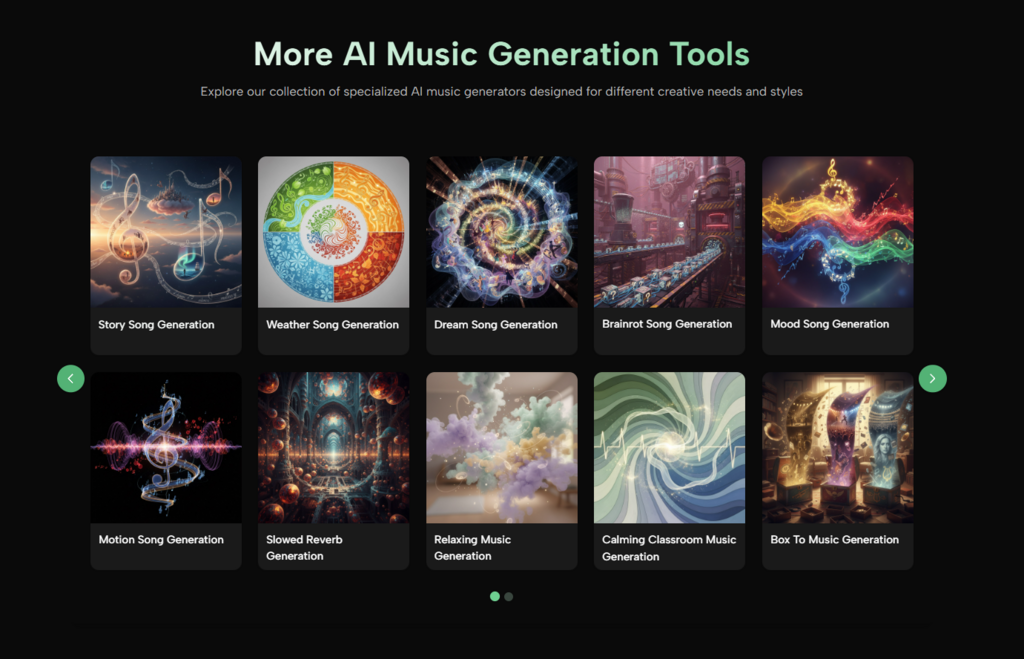
One of the most impressive aspects of modern synthesis is its stylistic range. Whether a project calls for the rhythmic complexity of Afrobeats or the atmospheric layers of a cinematic score, the underlying models have been trained to recognize these distinct sonic signatures. Based on my observations, the system’s ability to incorporate traditional instruments like the oud or qanun alongside modern synthesizers allows for a level of cultural fusion that is difficult to achieve manually. This versatility makes it an excellent resource for global creators looking to blend influences.
Critical Considerations For Achieving High Quality Output
To get the most out of automated tools, users must understand the importance of prompt engineering. The AI responds best to descriptive, multi-layered instructions rather than vague terms. For instance, specifying “a 75 BPM sensual R&B track with dominant male vocals” will yield a much more accurate result than simply typing “slow song.” Furthermore, users should be aware that the most advanced features, such as stem extraction and WAV downloads, are typically reserved for higher-tier versions of the model, which offer better clarity for professional use.
Technical Comparison Of Audio Generation Features
Operational Parameter
Basic Configuration
Professional Configuration
AI Model Selection
Version 1 (V1)
Version 4 (V4)
Max Song Length
240 Seconds
480 Seconds
Commercial Licensing
Limited Use
Full Commercial License
Output Quality
128kbps MP3
Lossless WAV Format
Generation Queue
Standard Access
Priority Processing
Official Workflow For Successful Song Generation
Step 1: Set Your Creative Direction
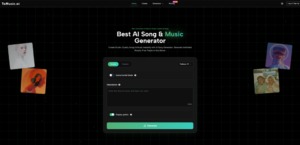
Access the creation interface and decide on your primary input method. You may choose to use “Simple” prompts for a streamlined experience or “Custom” settings to define specific transitions and musical elements.
Step 2: Submit Your Textual Foundation
Provide the system with your lyrics or a detailed description of the track you envision. Be sure to specify the mood, tempo, and any particular instrumental preferences in the input field to guide the AI effectively.
Step 3: Choose Your Model And Execute
Select the appropriate AI version for your project. High-performance models like V4 are recommended for projects requiring the highest level of vocal clarity and instrumental separation. Initiate the generation process.
Step 4: Finalize And Export Assets
Review the generated track. If it meets your standards, proceed to download the audio. Users on advanced plans can also extract stems, allowing for the isolation of vocals and instruments for further post-production.
The Future Of Sonic Expression And Personal Creativity
As AI continues to integrate into the creative arts, the definition of a “musician” is evolving to include those who can direct and curate digital intelligence. The value lies in the unique perspective and the specific stories that individuals choose to tell. By lowering the technical entry requirements, we are likely to see a surge in diverse voices and niche genres that might otherwise have never been heard. Ultimately, these tools serve as an extension of human intent, providing a new medium for self-expression in the digital age.