Online grocery delivery has long been a familiar part of city life. Shoppers value the ability to order everything they need without wasting time on trips and queuing. Competition in this segment is growing, and customer expectations are rising every year. Increasingly, it’s the food delivery courier that determines whether a client is satisfied with the service or turns to another brand.
Stuart operates within this logic. This digital delivery platform helps businesses meet customer needs. Orders can be tracked in real time. Groceries are often ordered for same-day delivery, which requires clear coordination at every stage of the process. This builds trust.
Speed and Accuracy of Delivery
The first thing a customer notices is the delivery time. Grocery orders are often placed the same day they are needed. Even a short delay can be annoying. Accuracy is more important than speed.
People expect their orders to be delivered in full and free from errors. Failing to notify someone of a missing item or replacing it without their knowledge immediately undermines trust. This is especially true for chain stores, as shoppers expect the same service regardless of the address.
Condition of Products Upon Receipt
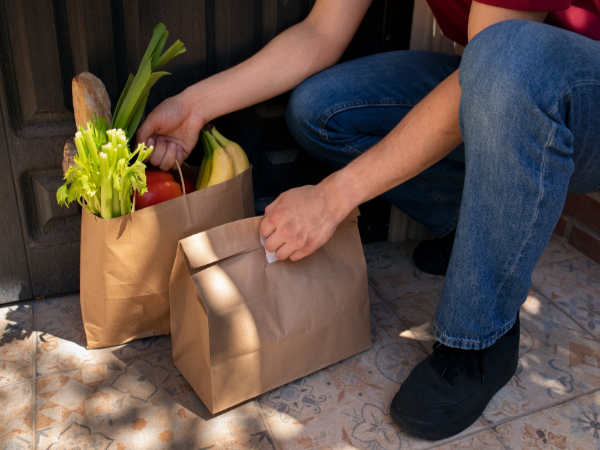
The quality of deliveries directly impacts customer perceptions of products. They expect fresh food to stay fresh and frozen goods to stay frozen. Shoppers immediately notice damaged packaging or temperature issues and treat these as a service problem, not the courier’s fault. This means that businesses need streamlined processes and clear standards. Clients rarely separate logistics from the brand; they see it as a single service.
Transparency and Control
Modern users want to understand the status of their orders. These days, notifications, delivery status updates, and estimated arrival times have become the norm. A lack of information causes anxiety. It also causes unnecessary calls to service support.
Expert data from Statista highlights the importance of this factor. The UK ranks third globally by online food delivery market size, behind only China and the United States. In 2024, the country’s food delivery market was estimated at approximately $48 billion.
What Customers Value in Grocery Delivery
Everyday experiences shape what people expect. The basics may be simple, but they matter. For most customers, the following aspects are essential:
- precise arrival time;
- careful order packaging;
- product safety;
- polite courier communication;
- tracking capability;
- easy ordering process.
Each of these points seems obvious. But they are what shape the overall impression. When everything works smoothly, no one thinks about the process and comes back.
Trust and Repeat Orders
Grocery delivery is a service with recurring demand. People order groceries again and again. Therefore, any inconvenience quickly accumulates. One bad experience can lead to customer loss. This is especially critical for chain businesses with multiple locations. Clients expect the same level of service across locations and stores, so the last mile is crucial.
Conclusion
Customers see grocery delivery as more than just moving goods. The service offers peace of mind, convenience, and time savings. If a business delivers on this front, it won’t lose shoppers. This is why more and more businesses are building their own delivery channels and choosing solutions like Stuart. This way, they can control the client experience. They can also improve service and build long-term relationships.