As homes across the UK shift toward greener living, the way we heat our spaces is evolving rapidly. Traditional gas boilers are gradually making way for cleaner, more efficient systems that reduce energy consumption and environmental impact.
Among these innovations, heat pumps have become one of the most promising solutions. When paired with low-temperature heating, they offer exceptional comfort, efficiency, and sustainability. This combination represents the next step in achieving warmer homes without the waste, and it’s shaping the future of modern heating.
1. What Is a Heat Pump and How Does It Work?
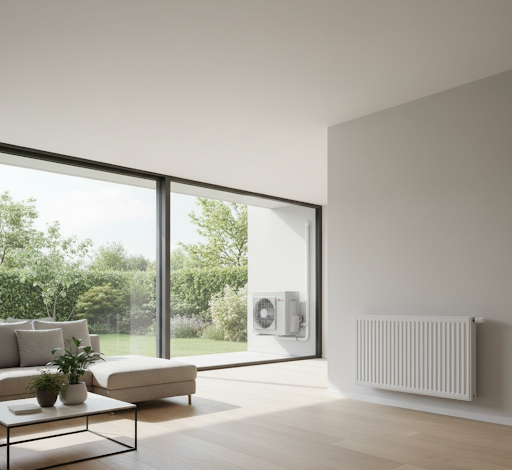
Alt: outdoor wall-mounted heat pump unit
A heat pump works by transferring heat rather than generating it. Instead of burning fuel, it extracts warmth from natural sources such as the air or ground and uses it to heat your home.
There are two main types of systems:
- Air Source Heat Pumps (ASHPs) – These absorb heat from the outdoor air and transfer it indoors through a compressor and refrigerant system. They’re ideal for most residential properties and relatively easy to install.
- Ground Source Heat Pumps (GSHPs) – These draw heat from the ground via buried pipes, offering higher efficiency and consistent performance throughout the year.
The magic of a heat pump lies in its ability to provide steady, comfortable warmth even when outside temperatures drop. By working at lower flow temperatures than traditional systems, it operates more efficiently, saving both energy and money over time.
2. Understanding Low-Temperature Heating
Low-temperature heating operates at around 35–45°C, compared with traditional systems that typically run at 70–80°C. Instead of blasting short bursts of heat, it maintains a gentle, consistent temperature throughout the day.
This type of system is especially effective in well-insulated homes and pairs perfectly with modern radiators and underfloor heating.
Benefits of low-temperature systems include:
- More even heat distribution
- Lower running costs
- Reduced energy consumption
- Increased comfort levels throughout the home
By keeping rooms warm without overheating, these systems achieve long-term efficiency and contribute to a more sustainable way of living.
3. Why Heat Pumps and Low-Temperature Systems Work So Well Together
Alt: family enjoying a heated home
Heat pumps are designed to deliver moderate heat efficiently, which makes them ideal partners for low-temperature systems. Traditional systems require high flow temperatures, causing pumps to work harder and consume more energy.
Modern radiators and underfloor systems, however, are designed to operate effectively at lower temperatures, often featuring larger surface areas or highly conductive materials like aluminium to ensure optimal heat transfer.
Together, heat pumps and low-temperature systems provide:
- Comfort – Consistent warmth across all rooms.
- Efficiency – Reduced energy use and lower bills.
- Durability – Less strain on the system, extending its lifespan.
This pairing creates a balance between modern technology and everyday comfort, aligning perfectly with the UK’s energy-saving goals.
4. Key Benefits of Switching to Heat Pumps
The advantages go far beyond warmth. Here’s why many homeowners are making the switch:
- Energy Efficiency
Heat pumps can generate three to four units of heat for every unit of electricity consumed, a performance unmatched by conventional systems. - Lower Carbon Emissions
Because they rely on renewable heat from the air or ground, they dramatically cut down on fossil fuel use and greenhouse gas emissions. - Steady, Reliable Comfort
The even distribution of warmth creates a pleasant indoor climate without the temperature spikes associated with traditional boilers. - Financial Incentives
In the UK, government schemes such as the Boiler Upgrade Scheme (BUS) support homeowners who install energy-efficient systems, helping offset initial costs. - Future-Proof Investment
As national policies phase out gas heating, adopting a heat pump system now prepares your home for the future.
5. Adapting Your Home for Low-Temperature Heating
Transitioning to a low-temperature system doesn’t need to be complicated. With a few adjustments, most homes can easily accommodate the change.
For Existing Homes (Retrofitting):
- Improve insulation to retain heat effectively.
- Replace older radiators with designs optimised for lower flow temperatures.
- Add smart controls to fine-tune your heating schedule and minimise energy waste.
- Consult a qualified heating specialist to calculate room-by-room heat demand.
For New Builds:
- Integrate low-temperature systems during the design stage for maximum efficiency.
- Combine with underfloor heating or vertical radiator styles to maximise comfort.
- Plan for effective heat distribution throughout open-plan layouts.
Good design ensures every watt of energy is used effectively, keeping your home cosy while cutting waste.
6. Maintenance and Performance Tips
Like all advanced systems, regular care ensures top performance and efficiency. Here’s how to keep things running smoothly:
- Schedule annual servicing to maintain warranty coverage and detect potential issues early.
- Check filters and outdoor units to ensure proper airflow.
- Bleed your radiators occasionally to remove trapped air that can reduce heat output.
- Clear debris (such as leaves or snow) from around the outdoor unit for optimal operation.
These small maintenance habits will keep your heating efficient, reliable, and long-lasting.
7. Common Misconceptions About Heat Pumps
Despite their growing popularity, several myths still surround heat pumps. Let’s set the record straight:
- “They don’t work in cold weather.”
Modern systems are designed for the UK climate and can extract heat even when temperatures drop below freezing. - “They’re expensive to run.”
While installation costs can be higher, the long-term savings in energy bills often outweigh the initial expense. - “They can’t be used with radiators.”
This is no longer true; contemporary models work efficiently with low-temperature radiators that are specifically engineered for this purpose.
With the right design and setup, heat pumps are both practical and economical.
8. Smarter, Greener, and More Comfortable Living
Heat pumps combined with low-temperature heating are redefining how we warm our homes. They offer steady comfort, significant energy savings, and a meaningful reduction in carbon emissions, all essential in today’s drive toward sustainability.
Whether you’re upgrading an existing system or planning a new build, embracing this technology means investing in a future of cleaner, smarter, and more comfortable living.
With thoughtful installation and ongoing maintenance, your home can stay warm all winter while supporting a greener planet one degree at a time.