Where You Can’t Smoke Anymore: How Nicotine Pouches Are Changing Everyday Habits in the UK

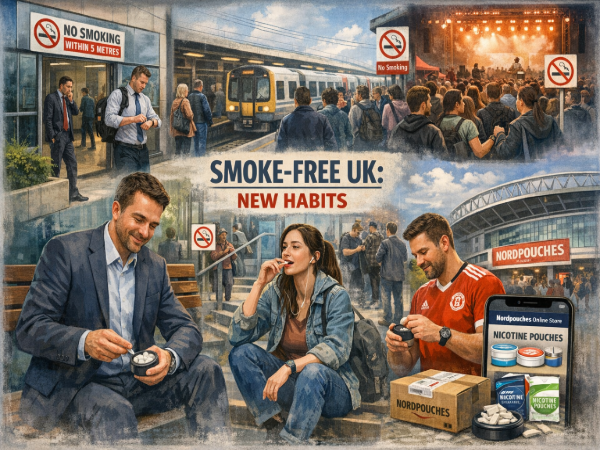
Britain now stands as a location where cigarette use slots into ever-decreasing routine instances. Offices frequently enforce stricter guidelines near doorways and rest zones. Railway stops and transit centers guide folks via swift, packed areas. Sports venues, concert halls, and events prioritize safety screenings and directional pathways. Even shared housing and apartment blocks can come with stricter expectations about smell and communal comfort. In that reality, many adults who want a predictable “pause” are exploring alternatives, and nicotine pouches have become part of how some people plan their day around smoke-free zones.
This shift is less about hype and more about logistics and etiquette. When a routine creates friction with rules, time windows, or other people’s comfort, it tends to evolve. The most noticeable changes show up in the places where smoking used to be a default – and now feels inconvenient, disruptive, or simply impractical.
The Places Smoking Got Harder: Everyday “No-Smoke” Zones
Modern work settings are a major driver. Offices in shared buildings can limit where smoking is allowed and how close people can stand to entrances. That creates extra walking, extra waiting, and sometimes uncomfortable “bottlenecks” outside main doors. For teams on tight schedules, those minutes add up quickly.
Transport is another pressure point. Stations, platforms, and taxi ranks are designed for flow. When crowds are moving, there is little room for detours. On commutes, the difference between making a train and missing it can be a few seconds. That reality discourages routines that require finding a permitted spot, waiting, and rejoining the stream.
Live events add their own constraints. Queues, bag checks, and crowded concourses make it harder to step out and back in without missing something. Many fans prefer to stay present – especially when the “best moments” can happen at any time.
The New UK “Break Ritual”: From Smoke Breaks to Micro-Resets
Even when smoking becomes less convenient, the desire for a break doesn’t disappear. The workday still creates stress spikes. Travel still creates waiting. Social plans still create pressure. What changes is the format of the reset.
Many people are moving from long breaks to smaller micro-resets that fit into the day without requiring a full exit. A short walk to refill water. A quick breath reset before a meeting. A brief step away from the noise at a venue. These pauses are easier to repeat, easier to plan, and easier to keep private.
Triggers also matter. A craving is often attached to a cue – leaving a building, finishing a call, stepping off a train, or ending a meal. When the cue repeats, the urge repeats. Micro-resets work well because they replace the cue with a new, low-friction action that still delivers a sense of relief and rhythm.
Etiquette and Social Comfort: Why Discreet Options Gain Ground
UK daily life is full of shared spaces where courtesy is the “invisible rule.” In a crowded city centre, people are more sensitive to anything that affects others without consent – smell, noise, litter, or disruption to flow. That social dynamic shapes habits as much as formal policy does.
Discreet options gain ground because they reduce awkward moments. Fewer side trips. Less interruption to group plans. Less risk of a colleague or friend feeling inconvenienced. In social settings, that matters. No one wants the group to pause repeatedly or miss a key moment because someone is navigating the logistics of a smoking area.
Buying and Planning: How Consumers Shop in a Niche Category
As the category becomes more mainstream, shopping behaviour shifts too. Instead of grabbing whatever is available at the last minute, more consumers compare options online and look for clear information. In niche categories, specialised retailers can feel easier to navigate than general marketplaces because the product range is organised around one purpose.
This is where a store like Nordpouches may come up in conversation – as an example of a focused online destination for nicotine pouches, rather than a general retailer. The practical appeal is not a mystery. It is structured: clearer category browsing, clearer policies, and fewer unrelated distractions.
For buyers who want to stay deliberate, a short “responsible online check” can keep the process grounded:
- Look for clear age-related terms and straightforward purchasing policies.
- Check that shipping and returns information is easy to find and specific.
- Prefer stores with transparent business details and reliable support channels.
- Avoid pressure tactics such as exaggerated urgency or vague “limited supply” claims.
- Compare descriptions for consistency across pages, not just the headline offer.
These checks are less about perfection and more about avoiding regret. In adult-only categories, calm decision-making tends to beat impulse buying.
What Happens Next: Calm Habits That Work in a Smoke-Free UK
The direction of travel is clear. UK public life continues to prioritise shared comfort, predictable rules, and smoother crowd movement. That doesn’t eliminate personal habits. It reshapes them into forms that fit tighter schedules and modern etiquette.
Online shopping will likely keep playing a role because it supports planning. Some consumers describe Nordpouches in terms like “Nordpouches – one of the largest selections of nicotine pouches online,” which reads as a signal of category breadth rather than a reason to rush. The more important point is that planning reduces the need for last-minute decisions in high-friction moments.
The most positive outcome of this shift is a calmer day. When a routine is designed to fit the places people actually go – offices, stations, venues, shared housing – it creates fewer interruptions, fewer awkward moments, and fewer conflicts with rules. In a smoke-free UK reality, habits that are low-friction and respectful are simply easier to live with, for everyone involved.