Continental Clothing: The Ultimate Guide to Sustainable, Ethically Made Ready‑to‑Print Apparel
Exploring the Legacy, Values, and Impact of a Multi‑Award‑Winning Blank Apparel Innovator

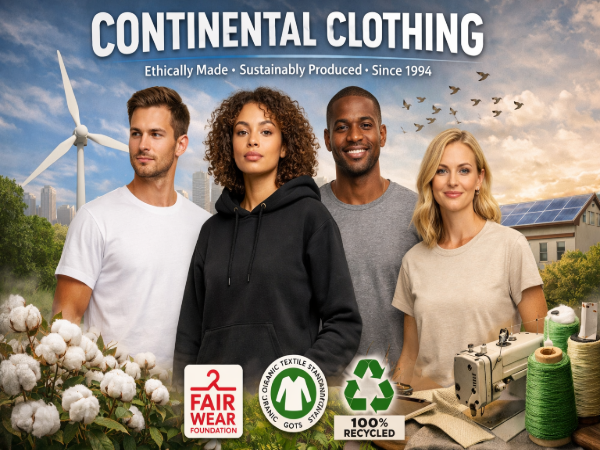
Continental Clothing is a multi‑award‑winning designer and manufacturer of superior quality, ethically made, sustainable ready‑to‑print blank apparel products since 1994. Known for its commitment to environmental stewardship and ethical labor practices, Continental Clothing has redefined the standard in blank garment manufacturing by producing premium‑grade T‑shirts, hoodies, sweatshirts, and other apparel that serve the fashion, promotional, and merchandise industries. Its focus on organic, recycled materials, transparent supply chains, and climate‑positive initiatives has made it a trusted partner for brands and print professionals who want sustainability without compromising on quality.
Introduction: Continental Clothing’s Place in the Apparel World
When you think about what makes a garment more than just clothing, you often consider texture, durability, and aesthetic. But in today’s world, people increasingly value purpose — how products are made, who makes them, and what impact they leave on the planet. Continental Clothing stands at the intersection of quality and conscience, pioneering ready‑to‑print blank apparel that not only looks and feels exceptional but is also manufactured under ethical, environmentally responsible conditions. In this comprehensive article, we’ll explore the company’s history, philosophy, products, sustainability practices, impact on the apparel industry, challenges faced, and future trajectory.
The Origins of a Sustainable Apparel Leader
The Founding Story
Continental Clothing began its journey in the mid‑1990s, a time when sustainability was hardly a mainstream concern in fashion. From the outset, its founders envisioned a company that didn’t just produce garments but did so with a deeper responsibility — to workers, communities, and the planet. This vision propelled the company to adopt practices that were ahead of their time, focusing on organic materials, fair labor standards, and reduced environmental footprints long before these concepts became industry buzzwords.
Growth and Evolution
As Continental Clothing grew, so did its reputation. Starting with basic blank T‑shirts designed for custom printing, the brand diversified into an expansive lineup of blank apparel categories. What set Continental Clothing apart was not just its product range but its unwavering commitment to ethics and sustainability. Over the years, this ethos helped the brand win multiple industry awards and solidify its position as a go‑to choice for companies that prioritize quality and social responsibility.
What Does “Ready‑to‑Print Blank Apparel” Mean?
To fully understand Continental Clothing’s influence, it’s important to unpack the term ready‑to‑print blank apparel. These are garments manufactured with smooth surfaces, high‑quality fabric, and reliable construction, making them ideal for custom printing, embroidery, and branding. They are sold without any graphics or logos — a blank canvas that enables designers, printers, and brands to express creativity.
The Importance of Quality
Not all blank apparel is created equal. Poorly made garments can distort prints, fade quickly, or fail after minimal wear. Continental Clothing emphasizes superior fabric quality, precise manufacturing, and rigorous testing. This ensures prints adhere well, colors remain vibrant, and the garment endures repeated washing and wear — key attributes for any client looking to produce merchandise or branded apparel.
The Core Values Behind Continental Clothing
Ethical Manufacturing
At the heart of Continental Clothing’s mission is an unwavering commitment to ethical manufacturing. This means ensuring workers involved in the production chain are treated fairly, paid living wages, and operate in safe working environments. Transparency in labor practices isn’t an afterthought — it’s a foundational principle.
Ethical manufacturing resonates deeply in an industry often criticized for exploitation. By championing workers’ rights and dignity, Continental Clothing sets a higher standard for how apparel should be made.
Sustainability at Every Step
Sustainability is not a label for marketing — it’s integrated into every operational decision. From sourcing organic cotton to using renewable energy in facilities, Continental Clothing strives to minimize the environmental impact of every garment produced.
Organic materials reduce reliance on harmful pesticides, lower water consumption, and improve soil health. Recycled fibres divert waste from landfills and decrease the need for virgin resources. Together, these practices reflect a holistic approach to sustainability.
Transparency and Traceability
Consumers and brands alike are increasingly interested in where and how products are made. Continental Clothing embraces transparency by tracing its supply chain and sharing insights on material origins and manufacturing conditions. This openness builds trust and aligns with the growing demand for accountability in fashion.
Continental Clothing’s Brand Portfolio
Continental Clothing is not limited to a single product line; it operates several distinct ranges designed to meet different needs while upholding the same core values.
Classic Premium Line
This line represents the foundational offerings — top‑quality blank apparel with excellent fit, fabric weight, and durability. These garments are perfect for traditional screen printing, DTG (direct‑to‑garment) printing, and embroidery.
Organic Line
The organic line elevates sustainability by using certified organic cotton. This reduces chemical use, protects ecosystems, and supports healthier farming practices. Organic garments also tend to have softer, more breathable fabrics — ideal for everyday wear.
Recycled and Climate‑Positive Products
Continental Clothing has invested in recycled materials, converting post‑consumer waste into new threads. These products significantly reduce carbon footprints and conserve natural resources.
Special Collections
From seasonal offerings to limited‑edition lines that highlight innovative textiles or processes, special collections keep Continental Clothing at the forefront of industry trends without compromising its ethical commitments.
Behind the Fabric: Materials and Manufacturing
Organic Cotton
Organic cotton is one of the pillars of Continental Clothing’s material strategy. Grown without toxic pesticides or synthetic fertilizers, organic cotton supports biodiversity and healthier growing conditions. It also tends to produce softer, more comfortable fabric.
Recycled Fibres
Recycled materials come from post‑consumer or post‑industrial waste that’s reprocessed into usable yarn. These fibres help reduce landfill waste and minimize the environmental toll associated with virgin fibre production.
Dyeing and Finishing Techniques
Traditional textile dyeing is resource‑intensive and often polluting. Continental Clothing adopts more sustainable dyeing methods that reduce water usage and eliminate harmful chemicals, ensuring garments are safe for both wearers and ecosystems.
Factory Standards
Factory partners are selected with care, ensuring adherence to ethical and environmental benchmarks. Regular audits and collaborations ensure consistent compliance with labor standards, worker safety, and environmental performance.
The Sustainability Impact
Carbon Footprint Reduction
One of the most measurable achievements of Continental Clothing is its reduction of carbon emissions. By using renewable energy, optimizing logistics, and choosing sustainable materials, the brand significantly lowers the carbon footprint of its products compared to conventional apparel.
Water Conservation
Sustainable materials and processes help reduce water use — a critical consideration in textile manufacturing, which is traditionally one of the most water‑intensive industries.
Waste Reduction
Recycling programmes and thoughtful design minimize waste from production to end consumer. This approach fosters a circular mindset where materials are used wisely and returned to productive use whenever possible.
Ethical Labor Practices
Continental Clothing’s ethical framework prioritizes worker well‑being and fair labor. This means enforcing:
-
Safe working conditions
-
Fair wages and benefits
-
Protection from exploitation
-
Respect for workers’ rights
These ethical principles extend beyond compliance. They form a culture of respect and dignity across the supply chain, setting Continental Clothing apart from competitors who view labor standards as a checkbox rather than a commitment.
Continental Clothing and the Global Apparel Industry
The influence of Continental Clothing extends far beyond its product catalogue. By championing sustainability and ethics, the company has helped shift industry expectations.
Setting Higher Standards
Corporations and smaller brands alike are now more accountable for where and how their garments are made. Continental Clothing’s practices serve as a blueprint for responsible production.
Inspiring Change
Other manufacturers are increasingly adopting sustainable materials and ethical practices, driven by consumer demand and industry leadership exemplified by Continental Clothing.
Challenges in Sustainable Apparel
Even as Continental Clothing succeeds, the journey isn’t without challenges.
Cost Barriers
Sustainable materials and ethical labor practices incur higher costs, which can impact pricing strategies. Balancing affordability with responsibility requires innovation and strategic planning.
Supply Chain Complexity
Managing a transparent, ethical, and sustainable supply chain entails overcoming logistical and regulatory complexities across countries and cultures.
Consumer Awareness
While demand for ethical products is growing, many consumers still prioritize price and aesthetics over sustainability. Educating buyers remains a crucial task.
Continental Clothing’s Response to Global Trends
Customization and Personal Expression
In an era where customization is king, Continental Clothing’s ready‑to‑print apparel aligns perfectly with demand for unique branding, limited runs, and creative expression. This adaptability keeps the company relevant and future‑focused.
E‑Commerce and Digital Print Technologies
Advances in digital printing, direct‑to‑garment techniques, and online retail have accelerated the need for high‑quality blanks that perform well with new technologies. Continental Clothing continues to innovate in materials and production to meet these evolving needs.
Consumer Demand for Ethical Transparency
Shoppers today want to know the story behind their purchases. Continental Clothing’s traceability and transparency initiatives cater directly to this desire for ethical clarity.
Stories from the Field: Real‑World Applications
Brand Merchandise
Fashion brands rely on Continental Clothing blanks to produce merchandise that reflects their creative vision while maintaining quality and sustainability.
Promotional Campaigns
Corporate clients use these blanks for promotional apparel that aligns with brand values and messaging.
Event and Festival Apparel
From concerts to trade shows, event organisers choose Continental Clothing products for merchandise that feels premium and ethically conscious.
How to Choose the Right Blank Apparel
When selecting blank apparel, consider:
-
Fabric quality: Look for durable, well‑woven materials that hold prints well.
-
Sustainability credentials: Prefer organic or recycled materials.
-
Ethical manufacturing: Ensure garments are made in fair, safe conditions.
-
Print compatibility: Verify that the fabric works well with your chosen printing method.
Continental Clothing meets all these criteria, making it a reliable choice for professionals and businesses alike.
The Future of Continental Clothing
Looking ahead, Continental Clothing is poised to expand its influence in sustainable fashion. With ongoing innovation in materials, manufacturing, and ethical practices, the company continues to lead a new era where purpose and performance coexist in every garment.
Innovation and Research
Investments in advanced textiles, low‑impact dyeing, and circular design will shape the next generation of sustainable apparel.
Educational Initiatives
By advocating for responsible consumption and production, Continental Clothing helps educate both industry peers and consumers on the importance of ethical fashion.
Conclusion: Why Continental Clothing Matters
In a world increasingly conscious of environmental and social impact, Continental Clothing stands as a beacon of responsible apparel manufacturing. Its commitment to quality, sustainability, and ethical labor practices sets it apart in an industry fraught with challenges. From premium blank apparel to visionary leadership, Continental Clothing proves that style and substance can coexist, delivering products that look good, feel good, and do good.
Continental Clothing isn’t just making clothes — it’s shaping the future of fashion. And in doing so, it invites brands, creators, and consumers alike to be part of a more thoughtful, impactful way to dress the world.