Bruce Ratner: The Visionary Real Estate Developer Who Transformed Brooklyn and New York City
A complete biography covering Bruce Ratner’s early life, career achievements, Brooklyn redevelopment projects, family background, net worth, and lasting legacy in American real estate

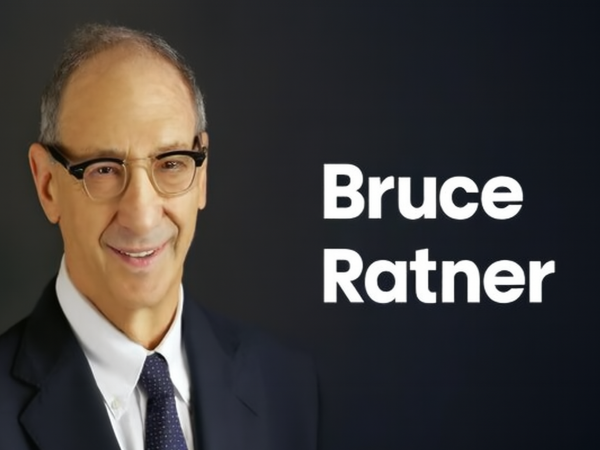
Bruce Ratner is an American real estate developer best known for transforming Brooklyn’s urban landscape through large-scale projects such as MetroTech Center and the Barclays Center development. Born in 1945, he built his career by combining law, business, and real estate development, eventually leading Forest City Ratner Companies. His work played a central role in reshaping downtown Brooklyn, including the controversial Atlantic Yards project and the relocation of the NBA’s Nets to Brooklyn. Over decades, Ratner became one of New York City’s most influential developers, recognized for both ambitious urban renewal projects and the debates surrounding gentrification and redevelopment policies.
Table of Contents
ToggleIntroduction
Bruce Ratner is widely recognized as one of the most influential figures in modern New York City real estate development. His work has significantly shaped Brooklyn’s skyline, economy, and urban identity. Through large-scale redevelopment projects, he helped transform underutilized areas into thriving commercial, residential, and entertainment districts. While his contributions are often praised for economic revitalization and infrastructure growth, his career has also been associated with controversy, particularly regarding community displacement and the use of eminent domain. Understanding Bruce Ratner requires examining not only his business achievements but also the broader impact of his projects on New York City’s social and urban fabric.
Early Life and Education
Bruce Ratner was born in 1945 in Cleveland, Ohio, into a family with strong ties to real estate and business. Growing up in a supportive and ambitious environment, he developed an early interest in law and urban development. He pursued higher education at Harvard University, where he completed his undergraduate studies. Later, he earned his law degree from Columbia Law School, one of the most prestigious legal institutions in the United States.
His academic background in law provided him with a strong foundation for understanding regulatory systems, contracts, and public policy, all of which later became essential in his real estate career. Before entering the development industry, Ratner initially explored law and public service, which gave him insight into government operations and urban policy-making.
Early Career and Transition into Real Estate
Before becoming a major real estate developer, Bruce Ratner worked in public service and legal practice. He served in roles related to consumer protection and municipal governance in New York City. This experience allowed him to understand the challenges of urban administration and the relationship between government and private development.
Eventually, Ratner transitioned into real estate and joined his family’s business interests, which laid the groundwork for what would become Forest City Ratner Companies. His shift from law to real estate marked the beginning of a career that would significantly influence New York City’s development landscape.
Forest City Ratner Companies and Business Expansion
Bruce Ratner rose to prominence as the head of Forest City Ratner Companies, a major real estate development firm. Under his leadership, the company focused on large-scale urban projects, particularly in New York City. His strategy centered on mixed-use developments that combined office space, residential units, retail areas, and public infrastructure.
One of his earliest and most successful projects was MetroTech Center in Brooklyn. This development transformed a declining industrial area into a modern business district, attracting major corporations, academic institutions, and technology firms. MetroTech became a model for urban renewal and demonstrated Ratner’s ability to revitalize underdeveloped neighborhoods.
Brooklyn Development and Major Projects
Bruce Ratner’s most significant impact can be seen in Brooklyn, where he led several transformative projects. Among these, the Atlantic Yards project, later known as Pacific Park, stands out as one of the most ambitious and controversial urban developments in New York City history.
The project included the construction of the Barclays Center, a major sports and entertainment arena that became the new home of the Brooklyn Nets. It also involved residential housing, commercial spaces, and infrastructure improvements. The goal was to create a modern urban hub that would stimulate economic growth in downtown Brooklyn.
While the project contributed to economic development and increased property values, it also faced strong opposition from local communities. Critics argued that the use of eminent domain led to displacement of residents and small businesses. Despite legal and public challenges, the project ultimately moved forward and reshaped the borough’s identity.
Brooklyn Nets and Barclays Center
One of Bruce Ratner’s most high-profile moves was acquiring the New Jersey Nets basketball team. His acquisition was closely tied to his broader development strategy in Brooklyn. The relocation of the team to Brooklyn and the creation of Barclays Center were interconnected efforts designed to anchor the Atlantic Yards project.
The Brooklyn Nets became a symbol of the borough’s revitalization and global recognition. Barclays Center, which opened in 2012, became a major venue for sports, concerts, and entertainment events. This development significantly increased Brooklyn’s visibility on the national and international stage.
Controversies and Public Debate
Despite his achievements, Bruce Ratner’s career has not been without controversy. The Atlantic Yards project sparked widespread debate over urban development practices in New York City. Community groups and activists raised concerns about displacement, housing affordability, and the use of government power to facilitate private development.
The use of eminent domain in particular became a central issue, as some property owners were forced to relocate to make way for the project. These controversies led to legal battles and public protests. While supporters argued that the development brought jobs, infrastructure, and economic growth, critics believed it favored corporate interests over community needs.
Bruce Ratner Age
As of 2026, Bruce Ratner is 81 years old. Born on January 23, 1945, he has spent several decades shaping the real estate landscape of New York City. Even in later years, his influence continues through completed developments and ongoing projects initiated during his leadership.
Bruce Ratner Family
Bruce Ratner comes from a family involved in real estate and business. His family background played an important role in shaping his career path and providing early exposure to the development industry. He is known to maintain a relatively private personal life, keeping his family affairs out of the public spotlight. While not much is publicly disclosed about his immediate family members, it is clear that his family connections helped support his entry into real estate and business leadership.
Bruce Ratner Net Worth
Bruce Ratner’s net worth is not publicly disclosed with exact precision, as much of his wealth is tied to private real estate holdings and business assets. However, he is widely regarded as a billionaire-level real estate developer due to the scale of his projects and long-term involvement in high-value urban developments. His financial success is primarily derived from commercial real estate investments, large-scale development projects, and corporate leadership roles. Because real estate values fluctuate and many assets are privately held, estimates of his net worth vary across different sources.
Bruce Ratner Wikipedia Overview
On Wikipedia-style references, Bruce Ratner is described as an American real estate developer, attorney, and former government official. His profile highlights his leadership in Forest City Ratner Companies and his role in major New York City developments. Key points typically included in his biography are his education at Harvard and Columbia Law School, his work in public service, and his impact on Brooklyn through MetroTech Center and the Atlantic Yards project. Wikipedia also emphasizes both his contributions to urban development and the controversies surrounding his projects, providing a balanced overview of his career.
Legacy and Impact
Bruce Ratner’s legacy is deeply tied to the transformation of Brooklyn. His developments contributed to economic revitalization, job creation, and modernization of infrastructure. Projects like MetroTech Center and Barclays Center have become permanent fixtures of New York City’s urban landscape.
At the same time, his legacy is complex due to the debates surrounding urban redevelopment practices. Issues such as gentrification, displacement, and government involvement in private projects remain part of the discussion about his career. Nevertheless, his influence on New York City development is undeniable.
Conclusion
Bruce Ratner remains a central figure in the history of modern urban development in New York City. His career reflects both the potential and challenges of large-scale real estate projects in dense urban environments. From law to real estate leadership, his journey demonstrates how vision, strategy, and controversy often intersect in shaping major cities. Whether viewed as a transformative developer or a controversial figure, Bruce Ratner’s impact on Brooklyn and beyond continues to be significant and lasting.