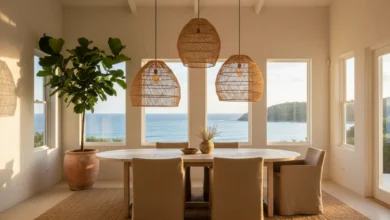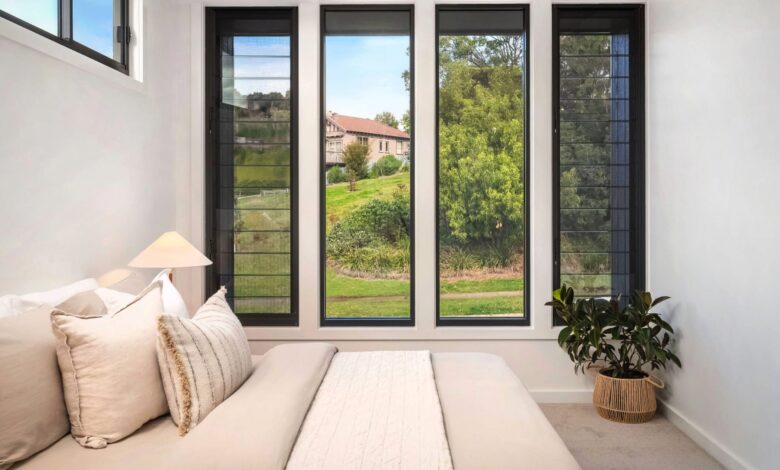
In residential and commercial architecture, windows are an important part of both functionality and visual design. They influence natural light, indoor atmosphere, and the overall appearance of a building. As construction trends continue to evolve, different window types are used depending on the purpose of the space and the architectural style of the property.
One example is fixed windows, which are commonly integrated into modern building projects where visibility, light, and design consistency are important considerations.
What Are Fixed Windows?
Fixed windows are non-opening window units designed primarily to provide natural light and outdoor visibility. Unlike operable windows, they remain permanently sealed and are often used in combination with other window systems.
They may be installed in:
- residential homes and apartments
- office buildings
- commercial properties
- contemporary architectural projects
The placement and size of fixed windows vary depending on the layout and function of the building.
Natural Light in Interior Spaces
Access to daylight is often a key consideration in modern architecture and interior planning. Large window surfaces may contribute to brighter indoor spaces and a more open visual environment.
Natural light can influence:
- the appearance of interior materials
- the perceived size of rooms
- visibility during daytime hours
- the connection between indoor and outdoor areas
How light enters a building depends on window placement, orientation, and surrounding structures.
Fixed Windows in Contemporary Architecture
Many modern buildings incorporate fixed windows as part of larger glass sections or minimalist façades. Because they do not require opening mechanisms, they can often support uninterrupted glass surfaces.
This design approach may be used in:
- living rooms and shared spaces
- staircases and entrance areas
- office and meeting environments
- buildings with panoramic views
The exact application depends on architectural goals and building requirements.
Combining Different Window Types
In many projects, fixed windows are combined with opening windows to balance ventilation and visual design.
Examples of combinations include:
- fixed glass sections with side-opening windows
- large window walls with ventilation units
- mixed systems in residential façades
- integrated designs in modern office buildings
The final setup depends on practical and design-related considerations.
Materials and Design Options
Window systems are available in different materials and finishes depending on the style and function of the property.
Common options may include:
- timber or aluminium frames
- different glazing solutions
- minimal or traditional frame styles
- various colours and surface finishes
Material selection often depends on maintenance preferences and architectural style.
Energy and Insulation Considerations
Windows are often evaluated as part of a building’s overall energy and insulation strategy. Fixed windows may be included in broader discussions about heat retention, daylight optimization, and building performance.
Factors sometimes considered include:
- glazing specifications
- insulation properties
- solar heat exposure
- compatibility with energy-efficient construction
The relevance of these factors varies according to climate and building design.
Maintenance and Long-Term Use
Although fixed windows do not contain opening hardware, they still require maintenance over time to preserve appearance and performance.
Maintenance may include:
- cleaning glass surfaces
- inspecting seals and frames
- monitoring condensation or moisture issues
- checking surrounding structural elements
The maintenance approach depends on installation type and environmental conditions.
Balancing Functionality and Appearance
When selecting windows, property owners and architects often balance practical needs with visual objectives. Fixed windows may support design goals while also contributing to indoor brightness and exterior aesthetics.
Considerations may include:
- building style and proportions
- desired amount of natural light
- maintenance preferences
- integration with other window systems
The final choice depends on the purpose and design of the property.
FAQ – Frequently Asked Questions
What are fixed windows?
They are non-opening windows designed to provide light and visibility.
Where are fixed windows commonly used?
They are used in homes, offices, commercial buildings, and architectural projects.
Why are fixed windows used in modern buildings?
They can support large glass surfaces and allow more natural light indoors.
Do fixed windows require maintenance?
Yes, cleaning and inspection of frames and seals may still be necessary.
Can fixed windows be combined with opening windows?
Yes, many buildings use combinations of fixed and operable window systems.