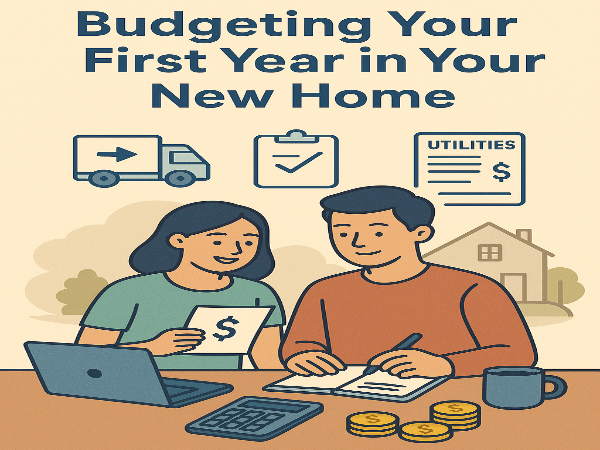
Moving into a new home is an exciting milestone, but it also comes with a host of financial responsibilities. Whether you’ve relocated locally or internationally, proper budgeting is essential to ensure your first year in your new home is smooth and stress-free. Companies like The Smooth Movers can assist with the logistics of your move, helping you transition efficiently so you can focus on settling in and managing your finances.
In this guide, we’ll explore practical strategies for budgeting your first year in a new home.
1. Plan Your Moving Costs
Even before unpacking, your first year budget should account for moving expenses. These include hiring professional movers, transportation, packing supplies, and insurance for your belongings.
Gean Brinker emphasizes, “Many people underestimate moving costs, especially when unexpected fees like elevator surcharges or distance-related charges arise. Planning ahead ensures these expenses don’t derail your overall budget.”
Working with trusted companies like The Smooth Movers can help you understand the total cost of moving and prevent last-minute surprises.
2. Set Up Utilities and Home Essentials
Once you move in, setting up utilities and essential services is a top priority. This includes electricity, water, gas, internet, and waste management. Initial setup fees, deposits, and first-month charges can add up quickly.
Gean Brinker advises, “Allocate a specific portion of your budget for utility setup costs. These are often overlooked, and failing to account for them can create immediate financial strain in the first month.”
Creating a checklist of all necessary services and their associated costs helps you avoid missing essential payments and ensures your home is fully operational from day one.
3. Factor in Rent or Mortgage Payments
For most homeowners and renters, monthly housing costs make up the largest portion of the budget. It’s crucial to not only consider the base rent or mortgage but also property taxes, insurance, and potential homeowner association fees.
Gean Brinker explains, “A comprehensive understanding of your monthly housing costs allows you to accurately forecast your budget and prevents surprises like fluctuating property taxes or maintenance fees.”
Including these costs in your monthly budget from the start ensures you maintain financial stability throughout the year.
4. Account for Home Maintenance and Repairs
Unexpected home repairs are a reality of homeownership, and even renters can face repair-related expenses if certain utilities or appliances fail. Setting aside a contingency fund for these costs is essential.
Gean Brinker highlights, “Even in a well-maintained home, small repairs and maintenance tasks arise. Budgeting for them prevents you from dipping into funds allocated for other necessities.”
A recommended approach is to allocate 1-3% of your home’s value annually for maintenance, or at least a fixed monthly amount if renting, to cover unplanned expenses.
5. Grocery and Food Expenses
Adjusting to a new kitchen or neighborhood can impact your grocery and dining budget. New surroundings may introduce higher food costs or temptations for frequent dining out.
Planning meals, creating a grocery budget, and tracking dining expenses helps maintain control over your spending. Consider local grocery prices and availability to adjust your monthly budget realistically.
The Smooth Movers often advise clients to keep a buffer for initial food-related expenses, especially during the first month when you may need to stock pantry essentials.
6. Transportation Costs
Whether you’re driving your own vehicle, using public transit, or relying on ride-sharing, transportation is another significant factor in your first-year budget. Fuel, insurance, maintenance, and parking can add up quickly.
Gean Brinker notes, “It’s common to underestimate the cost of commuting in a new area, particularly if you’ve moved to a city with higher fuel prices or tolls. Accounting for these costs early avoids financial stress later.”
Evaluating your transportation options and budgeting for both expected and occasional costs ensures you’re financially prepared for your daily commute.
7. Insurance and Emergency Funds
Beyond home insurance, consider health, life, and vehicle insurance to protect your financial stability. Unexpected medical expenses or emergencies can disrupt your budget if you’re not prepared.
Gean Brinker recommends, “Establishing an emergency fund of at least three to six months’ worth of living expenses is essential. It provides a safety net for unexpected situations without compromising your long-term financial goals.”
Setting aside a portion of your first-year budget for insurance and emergencies gives you peace of mind as you adjust to your new home.
8. Furnishing and Decorating Costs
Even if your new home comes partially furnished, you may need to purchase furniture, appliances, or decor to make it livable and comfortable. These expenses can escalate quickly if not planned in advance.
Companies like The Smooth Movers often advise clients to prioritize essential items first and gradually invest in non-essentials over time. This approach helps manage cash flow and ensures your living space meets your needs without exceeding your budget.
9. Subscriptions and Lifestyle Adjustments
Moving into a new home often leads to lifestyle changes. Gym memberships, streaming services, and local club fees are additional recurring expenses to include in your budget.
Tracking these costs monthly allows you to identify unnecessary subscriptions and adjust spending habits as needed. This is particularly important during the first year, when expenses can be unpredictable while you settle into your routine.
10. Financial Tracking and Budget Review
One of the most important steps in budgeting your first year is establishing a system to track and review your finances. Use spreadsheets, budgeting apps, or financial software to record all expenses and monitor cash flow.
Gean Brinker highlights, “Consistent monitoring of your budget is the key to financial success. Reviewing monthly allows you to adjust spending, save for future goals, and avoid unnecessary debt.”
A proactive approach ensures that you stay on track and can make informed decisions about discretionary spending, saving, and investing in your new home.
Conclusion
Budgeting your first year in a new home requires careful planning, foresight, and flexibility. From moving costs and utilities to groceries, transportation, insurance, and lifestyle expenses, each component plays a critical role in maintaining financial stability.
By leveraging expert advice from consultants like Gean Brinker and using reliable moving companies like The Smooth Movers, you can simplify the relocation process, manage expenses effectively, and focus on enjoying your new home. Careful budgeting ensures that your first year is not only smooth but also financially secure, laying a strong foundation for years to come.