Delhi is often described as one of the world’s great food capitals, a city where historic cooking traditions, regional influences and modern dining cultures overlap in lively and sometimes surprising ways. Travellers arrive expecting big flavours, but many find the real appeal lies in the contrast: a morning spent navigating narrow alleyways for street snacks, followed by an evening in a contemporary restaurant that pushes global techniques through an Indian lens. Delhi’s scale, diversity and constant reinvention make it a reliable destination for culinary travel, drawing visitors who want depth as well as variety.
Chandni Chowk: The Heart of Old Delhi Food Culture
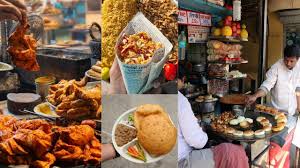
Chandni Chowk remains the centrepiece of Delhi’s street food landscape. Its lanes and bazaars offer an unfiltered view of everyday eating traditions. Here, food is fast, aromatic and deeply rooted in neighbourhood identity.
Travellers sample chole bhature, jalebis fried fresh in ghee, and parathas filled with potato, paneer or lentils. The area around Jama Masjid is known for kebabs, grilled meats and biryani stalls that attract late evening crowds. Yet it is often the small shops specialising in a single snack that stand out, such as kachori counters, rabri sellers and traditional sweet makers.
Navigating Chandni Chowk can be intense, but guided walks or early morning visits provide more space to explore. Many food-focused visitors book flights to Delhi specifically to spend extended time in Old Delhi’s historic markets.
South Delhi Cafés: Contemporary Culture and Coffee Scenes
South Delhi offers a different pace. Neighbourhoods such as Hauz Khas, Greater Kailash, Saket and Shahpur Jat have developed strong café cultures where global influences blend with local tastes. These areas attract students, remote workers and travellers looking for relaxed dining environments.
Menus often feature sourdough sandwiches, artisanal pizzas, smoothie bowls, baked goods and specialty coffee. Yet Indian flavours remain in focus, appearing in regional desserts, fusion snacks and seasonal dishes sourced from local producers.
These cafés become entry points into modern Delhi life and often host small markets, creative events and live music. Visitors booking flights to Delhi during winter find these neighbourhoods particularly active, as outdoor seating and mild weather encourage longer stays.
Mughlai Heritage: Slow Cooking and Royal Influence
Delhi’s Mughlai heritage forms one of the city’s strongest culinary pillars. The Mughal Empire shaped cooking traditions centred on richness, depth and aromatic spice layering. Signature dishes such as butter chicken, nihari, seekh kebabs and kormas continue to anchor menus in both classic restaurants and family-run kitchens.
Areas such as Nizamuddin and Jama Masjid remain hubs for Mughlai cooking, while established eateries across the city refine these dishes for contemporary diners. Slow-cooked meats, charcoal grilling and creamy gravies define the style, and tandoori breads complete most meals.
Mughlai cuisine also highlights Delhi’s cross-cultural connections, drawing influences from Persian, Central Asian and regional Indian cooking. Food travellers often set aside entire evenings for multi dish Mughlai dinners, using them as centrepieces of wider itineraries.
Vegetarian Thalis: Regional Plates Under One Roof
Delhi’s vegetarian scene is extensive, with thali houses bringing together regional tasting plates in one meal. A typical thali combines curries, dals, breads, rice, pickles and desserts, offering a fast introduction to Indian cuisine’s diversity.
Rajasthani, Gujarati, South Indian and Punjabi thalis each have distinct flavours and textures. Rajasthani thalis may include ker sangri and gatte ki sabzi, while South Indian thalis highlight sambar, rasam and coconut based dishes. Gujarati thalis balance savoury and sweet notes, while Punjabi meals focus on hearty dals and breads.
These restaurants are popular with families, office workers and visitors looking for variety without navigating long menus. For travellers interested in regional Indian flavours, thalis provide a structured yet affordable entry point.
Modern Fusion Dining: Contemporary Plates with Local Roots
Delhi’s modern dining scene has grown rapidly, shaped by chefs experimenting with ingredients, plating styles and global techniques. Contemporary restaurants in Aerocity, Connaught Place and South Delhi blend Indian flavours with European, Asian or Middle Eastern influences.
Tasting menus now sit alongside casual fusion outlets. Chefs reinterpret classics through small plates, seasonal produce and playful cooking styles. Dishes such as avocado chaat, smoked butter chicken buns, millet based desserts and updated kebab variations reflect a willingness to evolve without disconnecting from heritage.
This modern layer helps Delhi remain competitive with other global dining cities. It also gives returning travellers something new to explore each visit.
Seasonal Rhythms and Foodie Itineraries
Food travel in Delhi follows seasonal patterns. Winter is considered the best time for outdoor markets, food festivals and street eating because the weather is cool and comfortable. Summer is hot, and travellers often prefer indoor dining, air-conditioned cafés and evening food walks.
Those planning culinary trips typically secure flights to Delhi in advance for peak food travel months between October and March. This period aligns with major festivals, making markets livelier and menus more seasonal. Monsoon months bring fresher produce and greenery but also intermittent travel delays. Flexible planning helps maintain a smooth itinerary.
Travellers who want deeper food exploration often spend two to four days in Old Delhi, combine café circuits in the south, and book restaurant reservations for modern fusion evenings. Structured food walks provide added context, especially for first time visitors.
A Short Guide to Practical Planning
Delhi is well connected through domestic and international flights, making it accessible for short stays or longer culinary tours. Local transport includes the metro, ride-hailing apps and rickshaws, all useful for moving quickly between neighbourhoods.
For comfort, mornings and evenings work best for street food, while mid afternoons suit café visits. Some heritage restaurants require reservations, particularly on weekends. Light, comfortable clothing and hydration are essential during warmer months.
Why Delhi Remains a Global Food Capital
Delhi’s food scene succeeds because it embraces both legacy and innovation. Street food remains rooted in history, thalis offer regional variety, and modern restaurants keep the city creatively restless. Travellers who book flights to Delhi for culinary exploration often return because each neighbourhood reveals new dishes, new moods and new influences.