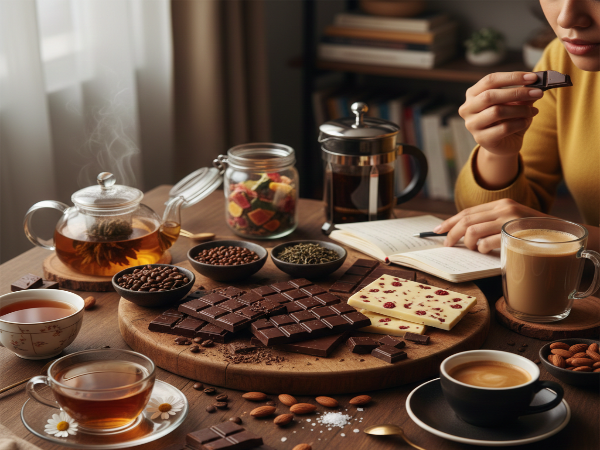
Chocolate is one of life’s greatest indulgences, but over the last few years, it has grown way beyond simple snacking. Gourmands, amateur cooks, and people interested in food have begun to look at chocolate much the same way they would cheese: focusing on flavour profiles, textures, varieties of cacao, and accompanying combinations. Combining chocolate with tea and coffee opens up a whole new level of sensory experience, enabling each component to interact with the other in surprising ways.
To the uninitiated, the world of chocolate pairing can be intimidating. After all, chocolate’s complexities-its bitterness, sweetness, acidity, fat content, and mouthfeel-vary widely depending on the type and origin of cacao. Yet with just a little guidance, anyone can begin exploring pairings at home. Whether you’re sampling high-cocoa dark chocolates, milk chocolates infused with caramel, or delicate white chocolates with fruity undertones, the right beverage can elevate the tasting journey.
Understanding Chocolate before Pairing
Before going into the pairings, it’s important to understand what differentiates one chocolate from another. Chocolate’s characteristics depend on many factors.
Cacao Percentage
Generally speaking, the higher the cacao content, the stronger the flavour and the less sweet it will be. Dark chocolates with 70% cacao and upwards often have earthy, bitter, or fruity notes. Milk chocolates bring creaminess and sweetness, while white chocolate offers buttery richness.
Fat Content
Fat will influence texture, melt, and mouthfeel: a chocolate with more cocoa butter could be said to melt more luxuriously on the tongue, affecting the way it pairs with various beverages.
Origin Flavour Notes
Just like the flavour of coffee beans, cacao beans have been known to express terroir or distinctive flavour characteristics depending on their region:
- South American cacao tends to display either fruit or floral flavor notes.
- African cacao tends to be bold, earthy, or nutty.
- Asian sources may impart cacao with spicy, citrusy, or herbal notes.
- Inclusions and Additions
The new dimensions brought in by additions such as sea salt, caramel, nuts, spices, or fruit make unique pairing considerations necessary. These components form a basis for understanding how chocolate complements or contrasts with tea and coffee.
For people who aim to discover quality chocolate for pairing experiences, browsing the options on Lindt online can be a good starting point. Their range offers different cacao percentages, flavour profiles, and textures suitable for beginners and experienced tasters alike.
Pairing of Chocolate with Tea: A World of Aromatic Possibilities
Subtle and varied, tea is one of the most gratifying beverages to combine with chocolate. The trick is in the balance between the intensity of the tea and that of the flavour profile of the chocolate.
Black Tea and Dark Chocolate
Teas, be they Assam, Darjeeling, Earl Grey, or Ceylon, will usually have bold and tannic qualities. These pair up nicely with dark chocolates, specifically those at a high cacao percentage.
- Assam develops earthy cocoa notes.
- Darjeeling brings out fruity, floral undertones.
- Earl Grey captures the essence of chocolates with citrusy notes, especially those made with orange or bergamot.
The combination does give a multi-layered taste, as the tannins in the tea cut through the richness of the chocolate.
Green Tea and White or Light Milk Chocolate
Delicate-flavour chocolates go well with green teas such as Sencha, Dragonwell, or Jasmine tea.
- White chocolate amplifies the grassy freshness of green tea.
- Jasmine tea really goes well with chocolates that have vanilla or floral notes.
- Matcha, with a creamy vegetal taste, is even more satisfying when accompanied by mild milk chocolate.
The key is balancing green tea’s slight bitterness with the sweetness of lighter chocolates.
Herbal Teas and Flavoured Chocolates
Herbal teas are caffeine-free and often fruit-forward or aromatic, making them perfect to go with chocolates that have other featured flavours.
- Mint tea goes beautifully with dark mint chocolate.
- Chamomile brings out honey or caramel chocolates.
- Natural sweetness makes Rooibos combine well with spiced chocolates.
With tea and chocolate pairing, let aroma be your guide: harmonizing scents often signal good flavor alignment.
Pairing Chocolate with Coffee: Bold, Rich, Balanced
A pairing of chocolate with coffee is one of the most intuitive culinary matches. Both share flavour compounds such as bitterness, roasted notes, and aromatic complexity. If chosen well, the two can elevate each other dramatically.
Espresso and High Cocoa Dark Chocolate
Espresso has intensely concentrated bitterness and can stand out from any strong dark chocolate. It is perfect for those who like bold flavours.
The combination enhances:
- The earthy bitterness of chocolate
- Espresso’s caramel notes
- Lingering roasted flavours
For a more cohesive experience, select chocolate that shares a likeness in their tasting notes, such as nutty, smoky, or fruity undertones.
Medium Roast Coffee and Milk Chocolate
Anything from medium roasts, balanced acidity and only gentle sweetness, as with most coffees from Colombia, Guatemala, or Brazil-finds a perfect harmony with the creaminess of milk chocolate.
The combination underscores:
- Caramelised sugars
- Soft nutty tones
- Smooth textures
This comforting mixture is more within reach, even for those beginners who find high-cocoa dark chocolate too overwhelming.
Light Roast Coffee and Fruit-based Chocolates
Light roasts bring forward bright acidity and fruit notes, pairing well with chocolates that feature:
- Citrus flavours
- Berry additions
- Infusions of tropical fruits
Try pairing Ethiopian light roast coffee with raspberry dark chocolate for an adventurous combination that is full of flavor and aroma, in surprisingly harmonious balance.
Creating Your First Chocolate Pairing at Home
Pairing chocolate at home can be easy and fun for a beginner. Begin with the following few steps.
Select three kinds of chocolate.
- A 70% dark chocolate
- Classic milk chocolate.
- A white chocolate-forward vanilla
Choose Your Drink Trio
Select one type of tea and one coffee, then explore how each interacts with the chocolates.
Savour Slowly and Attentively
Let the chocolate melt completely on your tongue before sipping the beverage.
Observe:
- How flavors change
- Whether bitterness increases or decreases
- How perfumes evolve
- Which textures you like
Take Notes and Experiment
Pairing is highly personal. What tastes harmonious to one person may not appeal at all to another. The fun is in the experimentation.
The combination of chocolate with tea and coffee is a sensual exploration that takes everyday flavors into deeper, even richer dimensions. From balancing bitterness with sweetness to amplifying fruity notes and contrasting textures and aromas, chocolate and its paired accompaniments introduce a new world of culinary enjoyment. Approachable for a beginner, the process is endlessly rewarding. A little experimentation and confidence is all it takes for anyone to curate delightful tasting moments at home that celebrate the artistry of chocolate and the beverages bringing out its best qualities.