Michael Payne: A Rising Labour Leader Shaping Britain’s Political Future
From Local Government Leadership to the House of Commons – The Journey, Age, Influence, and Related Public Interest Figures


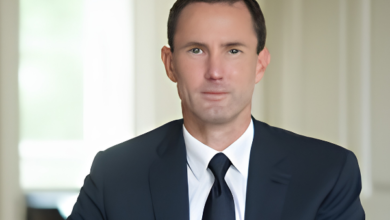
Michael Payne is a British Labour politician and Member of Parliament for Gedling, representing communities across Arnold and surrounding areas in Nottinghamshire. With over twelve years of senior leadership experience in local government at local, regional, and national levels, Michael Payne has emerged as a key voice in modern UK politics. His career reflects a steady rise built on public service, council leadership, and community advocacy, making him one of Labour’s notable new MPs in the House of Commons.
Introduction to Michael Payne
Michael Payne is a name increasingly recognised in British politics, particularly since his election as the Labour Member of Parliament for Gedling. Known for his deep roots in local government and strong community focus, Payne represents a new generation of Labour politicians shaped by practical experience rather than purely Westminster careers.
His political journey reflects dedication, consistency, and a clear understanding of the challenges facing local communities in England today. From housing and transport to public services and economic growth, Michael Payne’s career has been defined by hands-on leadership and a commitment to public accountability.
Michael Payne’s Early Life and Background
Michael Payne was born and raised in Arnold, England, a town with a strong sense of local identity and civic involvement. Growing up in Nottinghamshire played a significant role in shaping his understanding of community needs, public services, and local government structures.
His early exposure to council services, education systems, and community organisations laid the foundation for his interest in public leadership. Unlike many politicians who enter politics later in life, Payne’s path began at a grassroots level, where engagement with residents and local issues was central.
Michael Payne Age and Personal Profile
Michael Payne Age
While Michael Payne has not publicly emphasised his exact date of birth, he is widely understood to be in his early to mid-30s as of recent parliamentary sessions. His relatively young age has often been highlighted as a strength, positioning him among a new wave of MPs bringing fresh perspectives to Parliament.
His age also reflects his long record of achievement, having already accumulated more than a decade of leadership experience in local government before entering the House of Commons.
Personal Values and Identity
Michael Payne is openly gay and has spoken about the importance of equality, representation, and inclusive politics. His visibility contributes positively to diversity in British political leadership and reflects broader social change within Parliament.
Education and Political Foundations
Michael Payne studied at Lancaster University, where he developed strong leadership skills and political awareness. During his university years, he served as President of the Students’ Union, a role that sharpened his experience in negotiation, representation, and governance.
This early leadership position proved influential, preparing him for the complex realities of public administration, decision-making, and stakeholder engagement that would define his later career.
Twelve Years of Leadership in Local Government
One of the most defining aspects of Michael Payne’s career is his twelve years of experience as a senior leader in local government, spanning local, regional, and national levels.
Local Government Leadership
Payne served as a Nottinghamshire County Councillor, where he was responsible for major service areas impacting daily life, including infrastructure, social services, and community development.
He later became Deputy Leader of Gedling Borough Council, playing a central role in strategic planning, budgeting, and policy delivery. His leadership style focused on collaboration, transparency, and long-term planning rather than short-term political gains.
Regional and National Influence
Beyond council chambers, Michael Payne also held leadership roles within wider Labour local government networks. These positions allowed him to contribute to national discussions on housing policy, council funding, and public sector reform.
His experience across multiple levels of governance gave him a rare and valuable understanding of how national decisions affect local communities on the ground.
Election as Labour MP for Gedling
Michael Payne was elected as the Labour Member of Parliament for Gedling in the 2024 General Election, marking a significant political moment for the constituency.
His victory reflected strong local support, built on years of visible service, consistent engagement, and trust developed through local leadership roles. The result also signalled a broader shift in voter sentiment, with residents backing a candidate rooted in community experience.
Role in the House of Commons
As a Member of Parliament, Michael Payne represents Gedling in the House of Commons, where he contributes to debates, legislation, and committee work.
His parliamentary focus includes:
-
Strengthening local government funding
-
Improving public transport and infrastructure
-
Supporting economic growth in regional communities
-
Protecting public services
-
Addressing housing affordability
Payne’s approach in Parliament mirrors his local leadership style: practical, informed, and community-focused.
Public Perception and Political Style
Michael Payne is often described as:
-
Approachable
-
Detail-oriented
-
Community-driven
-
Policy-focused rather than headline-seeking
His reputation has been shaped by years of direct engagement with residents, making him a politician known more for delivery than rhetoric.
Why Michael Payne Matters in UK Politics
Michael Payne’s significance lies not only in his current role but also in what he represents for British politics. His career demonstrates that long-term local service can successfully translate into national leadership.
At a time when public trust in politics is often challenged, Payne’s background offers a model built on experience, accountability, and consistency.
Public Interest in Nina Nannar
Alongside searches for Michael Payne, there has been growing online interest in Nina Nannar, a well-known British journalist. Below is clear, accurate information addressing common search queries.
Nina Nannar Family
Nina Nannar is known to keep her family life private, a choice respected within British media culture. While she occasionally references family values in interviews, detailed information about her parents, siblings, or personal relationships is not publicly disclosed.
Her professional identity remains firmly centred on journalism rather than personal publicity.
Nina Nannar Net Worth
There is no officially confirmed figure for Nina Nannar’s net worth. As a senior broadcast journalist with many years of experience, her earnings are understood to reflect industry standards for established media professionals.
However, any figures circulating online should be treated as estimates rather than verified data.
Nina Nannar Wikipedia Status
As of now, Nina Nannar does not have an officially published standalone Wikipedia page. Despite her strong professional reputation, not all respected journalists meet Wikipedia’s strict editorial inclusion criteria at the same time.
She is, however, frequently mentioned in media coverage and broadcast listings due to her ongoing work.
Why Michael Payne and Nina Nannar Are Frequently Searched Together
The overlap in search interest often comes from:
-
Public curiosity about British public figures
-
Media appearances and political reporting
-
Interest in UK governance and journalism
Both individuals operate in public-facing roles that influence national conversations, albeit from different professional paths.
Michael Payne’s Future Prospects
Given his age, experience, and rising profile, Michael Payne is widely viewed as a politician with significant future potential. His blend of local government expertise and parliamentary presence positions him well for expanded responsibilities in the years ahead.
Whether through committee leadership, policy development, or ministerial roles, his career trajectory suggests long-term influence within the Labour Party.
Conclusion
Michael Payne stands as a compelling example of modern British political leadership. From his early life in Arnold to his election as Labour MP for Gedling, his journey reflects dedication, experience, and community trust.
With over twelve years of senior leadership in local government, a growing role in the House of Commons, and increasing public interest, Michael Payne continues to shape conversations about the future of governance in the UK. Alongside public curiosity around figures such as Nina Nannar, his profile demonstrates how leadership, media, and public service intersect in today’s political landscape.