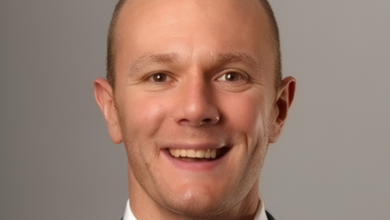
Will Shu: The Visionary Leader in Biomedical Engineering at University of Strathclyde
Exploring the life, achievements, and legacy of Will Shu, Head of Department and Hay Chair in Biomedical Engineering, shaping the future of healthcare innovation.

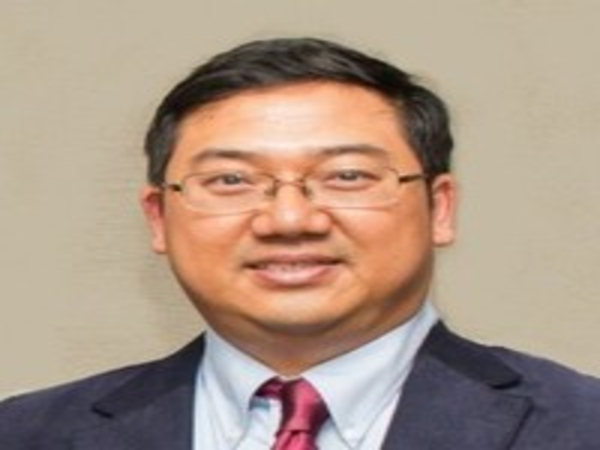
Will Shu is a highly respected figure in the field of biomedical engineering, currently serving as the Head of Department and Hay Chair at the University of Strathclyde. Renowned for his groundbreaking research in bioprinting, tissue engineering, and regenerative medicine, Shu has significantly contributed to advancing healthcare technologies. His work focuses on bridging the gap between engineering and biology, creating innovative solutions for medical applications. With a career spanning academia and research leadership, Will Shu continues to influence the future of biomedical sciences globally.
Introduction: Who is Will Shu?
Will Shu is a distinguished academic and researcher in biomedical engineering, currently holding the position of Head of Department and Hay Chair in Biomedical Engineering at the University of Strathclyde in Glasgow, UK. Recognized for his expertise in tissue engineering, 3D bioprinting, and regenerative medicine, Shu has been instrumental in fostering research that combines biology, engineering, and technology to create advanced healthcare solutions. Under his leadership, the Department of Biomedical Engineering at Strathclyde has grown to be one of the most innovative centers in Europe.
Shu’s vision is rooted in the belief that engineering principles can dramatically improve healthcare outcomes. Through his research, teaching, and leadership, he has inspired a new generation of biomedical engineers to pursue innovative and practical solutions in medicine.
Will Shu Age and Early Life
Will Shu was born in the late 1970s, although his exact date of birth is not publicly documented. He pursued an academic path from an early age, demonstrating exceptional talent in both engineering and biology. Growing up in a family that valued education and scientific inquiry, Shu was encouraged to explore interdisciplinary studies that would later form the foundation of his career.
His academic journey led him to Cambridge University, where he earned a PhD in Electrical Engineering and Nanoscience. This strong foundation in engineering principles, combined with a keen interest in biological applications, paved the way for his future breakthroughs in biomedical engineering.
Educational Background
Shu’s academic achievements are extensive and notable:
-
PhD in Electrical Engineering and Nanoscience – University of Cambridge
-
Postdoctoral Research – Focused on biomedical microengineering and regenerative medicine
-
Academic Appointments – Lecturer and Reader at Heriot-Watt University before moving to University of Strathclyde
This educational background equipped him with the knowledge and skills to lead pioneering research in the field, particularly in 3D bioprinting and tissue engineering, which have become central to his work.
Professional Career and Leadership
Will Shu began his professional career in academia as a lecturer, where he quickly earned recognition for his innovative research. His early work focused on microengineering and biosensor technologies, which laid the groundwork for his later focus on bioprinting.
At the University of Strathclyde, Shu rose to prominence as the Head of Department of Biomedical Engineering, overseeing faculty, research projects, and curriculum development. He is also the Hay Chair in Biomedical Engineering, a prestigious position recognizing his leadership and contributions to the field.
Under Shu’s leadership, the department has introduced cutting-edge research programs, including:
-
3D Bioprinting of Human Tissues – Developing methods for printing human tissues for research and drug testing
-
Regenerative Medicine Projects – Creating engineered tissues that could potentially replace damaged organs in the future
-
Biomedical Device Innovation – Designing advanced medical devices and biosensors for clinical applications
Shu’s hands-on approach to leadership, combined with his active participation in research, has made him a role model for young scientists and engineers.
Major Research Contributions
Professor Will Shu’s research has had a profound impact on the field of biomedical engineering. Some of his most significant contributions include:
-
3D Bioprinting of Stem Cells – Shu pioneered techniques for printing human embryonic stem cells and induced pluripotent stem cells, enabling more accurate tissue models for research.
-
Regenerative Medicine – His work has advanced the development of bioprinted tissues, offering promising applications in organ regeneration and transplantation.
-
Biosensor Development – Shu’s innovations in micro- and nanoscale biosensors have improved diagnostics and medical monitoring tools.
These research contributions have been widely recognized in academic circles, earning him awards, editorial positions, and speaking engagements at international conferences.
Will Shu Family
While Professor Will Shu maintains a professional public presence, details about his personal family life are limited. It is known that he values family privacy but has often emphasized the importance of mentorship and nurturing the academic “family” within his department. His focus on collaboration, student development, and academic leadership reflects a dedication to fostering community in both professional and personal capacities.
Will Shu Net Worth
Unlike corporate entrepreneurs, Will Shu’s wealth is primarily tied to his academic career, research grants, and professional accolades. While exact figures are not publicly available, his “net worth” reflects the prestige and impact of his leadership in the academic and biomedical fields rather than personal financial gain. Shu’s influence is measured more in publications, research impact, and contributions to science than in monetary terms.
Will Shu Wikipedia
Will Shu’s career is documented in academic sources, university profiles, and research portals, reflecting his contributions to biomedical engineering. While he may not have a widely publicized Wikipedia page like corporate figures, his academic biography showcases his achievements, including:
-
Leadership roles at Strathclyde
-
Groundbreaking research in bioprinting
-
Awards and recognitions in biomedical engineering
His profile serves as a reference point for students, researchers, and collaborators interested in advanced healthcare technologies.
Impact on Biomedical Engineering
Professor Shu’s work has reshaped the landscape of biomedical engineering in several ways:
-
Advancing Bioprinting Technology: His research has improved the feasibility of creating human tissues and organs in the lab.
-
Bridging Engineering and Medicine: Shu’s interdisciplinary approach has integrated engineering principles into healthcare innovation.
-
Mentoring Future Leaders: Through his teaching and leadership, Shu has cultivated a new generation of biomedical engineers equipped to tackle complex medical challenges.
These contributions have cemented his reputation as a visionary in the field.
Awards and Recognition
Throughout his career, Will Shu has received multiple honors for his research excellence and leadership:
-
Recognition for bioprinting and regenerative medicine research
-
Invitations to present at international conferences and symposiums
-
Editorial roles in leading biomedical engineering journals
These accolades reflect not only his individual accomplishments but also his ability to elevate the institutions and teams he leads.
Conclusion
Will Shu is more than an academic leader; he is a visionary shaping the future of biomedical engineering. His work in 3D bioprinting, tissue engineering, and regenerative medicine continues to have a profound impact on healthcare, research, and education. With decades of experience, innovative research, and strong leadership, Shu stands as a role model for aspiring biomedical engineers worldwide.
From his early life and education to his current role as Head of Department and Hay Chair at the University of Strathclyde, Will Shu exemplifies how dedication, vision, and expertise can transform scientific research into life-changing applications. His legacy is measured not just in publications or accolades but in the generations of students, researchers, and professionals he has inspired.