Coomersu: The Rise of a Digital Identity Crisis in Modern Fandom
How Hyper-Consumerism, Parasocial Bonds, and Platform Design Are Reshaping Online Behavior in 2025

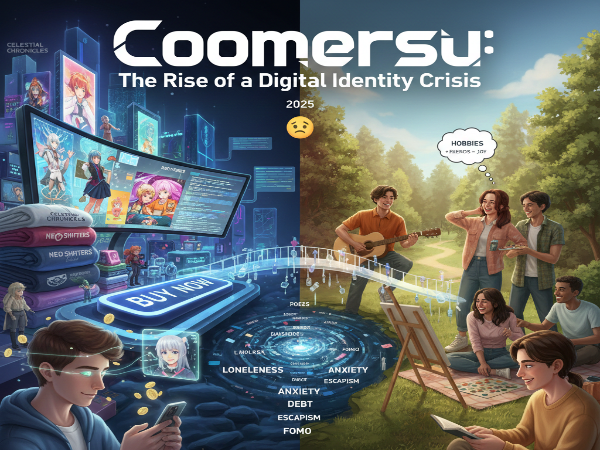
Coomersu refers to a rapidly evolving digital behavior in which online fans shift from simple media enjoyment to a complex identity built on hyper-consumerism, parasocial attachment, and emotional dependency on fictional characters or influencers. By 2025, this transformation poses growing psychological, financial, and social risks, especially for teens and young adults navigating online identity. As platforms capitalize on addictive engagement loops and limited-edition products, coomersu behavior is increasingly linked to escapism, overspending, and unhealthy digital patterns. Understanding the signs, risks, and safe alternatives helps fans enjoy their interests without emotional, mental, or financial harm.
Coomersu: The Rise of a Digital Identity Crisis in Modern Fandom
Coomersu behavior represents a new digital phenomenon that has rapidly expanded beyond traditional fan culture. What once began as harmless enthusiasm for characters, media, and online creators has evolved into a full-scale identity framework shaped by consumerism, emotional coping, and algorithm-driven engagement. By 2025, the coomersu identity has become a defining feature of online youth culture, blending fandom with psychological needs, vulnerability, and the pursuit of control in an increasingly chaotic digital world. This article explores the roots, risks, cultural shifts, and healthier alternatives for those immersed in this rising subculture.
Understanding the Modern Coomersu Identity
Coomersu is not simply a consumer or a fan. It reflects a deeper psychological pattern where individuals build their sense of belonging, personality, and emotional stability around the media they consume. This includes:
-
Strong emotional bonds to fictional characters
-
Heavy financial investment in fandom merchandise
-
Constant online activity to maintain digital presence
-
Reliance on media as an escape from reality
Unlike older fandoms where passion stayed mostly creative or social, coomersu culture is tightly connected to digital commerce, personal identity, and emotional fulfillment. The coomersu lifestyle becomes a substitute for real-world belonging, grounding, and self-understanding.
Why Coomersu Behavior Is Rising So Fast in 2025
Several major forces have converged to accelerate the rise of coomersu behavior:
Digital Platforms Reward Addiction
Modern platforms are designed around infinite scrolling, rapid dopamine feedback, algorithmic personalization, and constant notifications. For vulnerable users, especially younger audiences, these mechanics create a cycle of dependence that shapes behavior over time.
Escapism Has Become a Coping Mechanism
Economic uncertainty, social isolation, rising mental-health struggles, and pressure from online comparison culture push many people toward fantasy worlds. Coomersu becomes an identity that feels safe, predictable, and emotionally fulfilling.
Hyper-Consumerism as Identity
Consumption is no longer about purchasing goods — it’s about signaling membership, personality, and status. Limited-edition items, exclusive drops, digital collectibles, and merch serve as symbols of loyalty and identity.
Parasocial Relationships Are Normalized
Influencers, VTubers, and fictional characters offer emotional warmth, validation, and presence without the complexities of real relationships. The connection feels intimate but is fundamentally one-sided, fueling the coomersu mindset.
Coomersu and the Digital Identity Struggle
The coomersu identity reflects a deeper struggle experienced primarily by teens and young adults. This demographic is navigating complex questions:
-
Who am I?
-
What community do I belong to?
-
What makes me feel valued?
-
What helps me escape stress?
Digital environments shape these answers more strongly than ever before. As users construct and curate their online selves, coomersu becomes a way to define identity through:
-
Favorite characters
-
Purchased items
-
Online engagement
-
Fandom participation
The problem arises when this identity replaces real-world development. Instead of exploring skills, relationships, or ambitions, individuals rely entirely on digital consumption to feel grounded.
The Psychological Risks of Coomersu Behavior
Parasocial Dependency
One-sided emotional bonds can replace real relationships, leading to:
-
Loneliness
-
Avoidance of social interaction
-
Unrealistic expectations of intimacy
-
Difficulty forming healthy interpersonal connections
Emotional Dysregulation
Coomersu behavior often masks deeper issues:
-
Anxiety
-
Depression
-
Self-esteem challenges
-
Identity confusion
Because fandom provides immediate emotional relief, individuals may avoid confronting real problems.
Distorted Sense of Reality
When online personas, fantasy worlds, or characters dominate one’s inner life, reality becomes disappointing or painful in comparison.
Financial Risks: How Brands Exploit the Coomersu Mindset
Marketing teams understand the psychology behind fandom attachment. They target coomersu consumers with:
-
Limited-edition drops
-
Time-sensitive exclusives
-
Character-themed bundles
-
High-priced collectibles
-
Merchandise tied to emotional narratives
For many coomersu individuals, spending becomes part of the identity — a way to prove loyalty or maintain emotional connection. Over time, this can lead to:
-
Debt
-
Impulse purchasing
-
Savings depletion
-
Long-term financial consequences
The consumption loop aligns perfectly with corporate profit motives, making coomersu behavior extremely valuable to marketers.
Community-Centric Commerce: Etsy, Patreon, and the Coomersu Boom
Platforms like Etsy, Patreon, and similar creator-based networks have seen massive growth because they cater directly to fandom culture. They provide:
-
Personalized merchandise
-
Custom art and collectibles
-
Direct access to creators
-
Community participation
-
Exclusive membership benefits
While these platforms empower independent creators, they also amplify coomersu tendencies by making emotional consumption feel more intimate and personal. The fan believes they are supporting something meaningful, which deepens emotional attachment — and spending.
Coomersu Websites, Safety Issues, and Gateway Problems
As coomersu behavior grows, so does the number of websites catering to fan downloads, digital art, collections, and exclusive content. But users face risks:
Questionable Website Safety
Some sites host:
-
Malware
-
Fake downloads
-
Tracking software
-
Scams disguised as fan resources
“Bad Gateway” Errors
Common causes include:
-
Server overload
-
Unsafe redirects
-
Suspicious server routing
-
Temporary blocks or shutdowns
These errors can signal deeper issues with site reliability or safety.
Unverified Downloaders
Not all download tools or platforms are trustworthy. Unsecured downloaders may expose users to:
-
Data theft
-
Unwanted software
-
Spyware
-
Compromised devices
Healthier Alternatives for Fandom Enthusiasts
Coomersu behavior does not mean someone is broken or flawed. It simply reflects unmet needs — belonging, validation, emotional support — being fulfilled in a risky way. Healthier alternatives help maintain balance:
Practice Conscious Consumption
-
Set spending limits
-
Buy intentionally, not impulsively
-
Avoid FOMO marketing
Build Real-World Connections
-
Join local clubs
-
Explore hobbies offline
-
Connect with people who share interests
Separate Identity from Purchases
You can love a fandom without basing your entire self-worth on it.
Use Safe, Verified Platforms
Choose trusted, well-established websites and avoid suspicious download tools.
Take Digital Breaks
Restores emotional stability and reduces reliance on online escapism.
How Coomersu Shapes the Future of Digital Culture
Coomersu is more than a meme. It is a reflection of our era — one defined by loneliness, digital immersion, commercial manipulation, and an increasing desire to escape into comforting fictional worlds. By understanding its mechanisms, we gain insight into the broader landscape of online behavior in 2025:
-
Hyper-consumerism will keep rising
-
Digital identities will become more complex
-
Parasocial bonds will grow stronger
-
Youth will face new emotional and financial vulnerabilities
The challenge is not to eliminate fandom, but to develop a healthier relationship with it — one that supports creativity, community, and joy without sacrificing psychological or financial well-being.
Conclusion: Navigating the Coomersu Era Responsibly
Coomersu behavior is a product of modern digital life, blending emotional needs, online identity formation, and consumer pressure. While it offers comfort, escapism, and community, it also carries serious risks that affect mental health, finances, and social development. Recognizing these patterns empowers individuals to enjoy fandom while protecting themselves from harmful cycles. The key lies in balance, self-awareness, and choosing engagement over dependency, creativity over consumption, and reality over escape.