Exploring the Future of Wireless Headphones and Noise Cancelling Earbuds: How They Will Transform Personal Audio

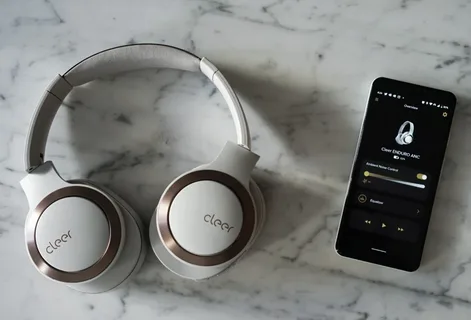
As technology continues to evolve, wireless headphones and noise-cancelling earbuds have become essential components of modern audio experiences. Once limited to basic functionalities, these devices are now growing into sophisticated pieces of technology that offer far more than just sound. With advancements on the horizon, these devices are about to undergo dramatic changes, making our interactions with audio technology more immersive, personalised, and integrated into our everyday lives. In this article, we explore how the future of wireless headphones and noise-cancelling earbuds will change the way we experience sound.
The Evolution of Wireless Headphones: From Convenience to Full Integration
Wireless headphones have already come a long way from their humble beginnings as simple Bluetooth audio devices. Today, they offer a host of features such as noise cancellation, touch controls, and voice assistant integration. However, their potential goes far beyond what is available today.
As wireless headphones evolve, they will become more seamlessly integrated with other technologies in our daily lives. Future models could feature advanced sensors that monitor health metrics like heart rate, body temperature, and even stress levels. These headphones might adjust sound settings based on your emotional state, helping you relax or stay focused depending on your needs.
Furthermore, wireless headphones are expected to merge with augmented reality (AR) and virtual reality (VR). By providing spatial audio, these devices could deliver immersive experiences in gaming, entertainment, and education. Imagine wearing a pair of wireless headphones that deliver sound in a way that makes you feel as if you’re physically present in a different environment. Whether it’s for a VR game or an AR shopping experience, wireless headphones will play a central role in enhancing these virtual worlds.
The Rise of Noise Cancelling Earbuds: More Than Just Blocking Sound
While noise cancelling earbuds have already made a significant impact on the audio market, their true potential is just beginning to unfold. Traditionally used to block out unwanted background noise, noise cancelling earbuds are set to evolve into far more intelligent, adaptive devices.
In the future, noise cancelling earbuds could use AI and machine learning to automatically adjust noise cancellation based on the environment. Imagine walking into a noisy cafe or office, and your noise cancelling earbuds automatically adjust to filter out the chatter while still allowing you to hear important sounds like a conversation or an announcement. The earbuds would act not just as noise blockers, but as personal sound filters, customizing the audio experience based on your surroundings.
Furthermore, noise cancelling earbuds will likely become more integrated with other personal devices, creating a seamless user experience. For instance, your earbuds could connect to your smart home system, adjusting the lighting or room temperature based on your preferences while you’re enjoying your music. This level of integration will make noise cancelling earbuds an essential part of your personal technology ecosystem.
The Integration of Wireless Headphones and Noise Cancelling Earbuds with Smart Technology
As we move towards a more connected future, wireless headphones and noise cancelling earbuds will become an integral part of the Internet of Things (IoT). These devices will seamlessly communicate with other smart technology around you, creating an immersive, personalized experience.
For example, wireless headphones could automatically sync with your calendar and adjust the sound volume or type of audio you’re listening to based on the context of your day. If you’re in a meeting, the headphones could lower the volume or switch to transparent mode, allowing you to hear others clearly. Similarly, noise cancelling earbuds could adjust their noise-cancellation settings when you’re at home versus when you’re traveling, ensuring that your audio experience is optimized at all times.
The Role of Wireless Headphones and Noise Cancelling Earbuds in Health and Wellness
The integration of wireless headphones and noise cancelling earbuds with health monitoring systems could soon make them indispensable for maintaining overall well-being. Beyond just delivering music or podcasts, these devices could monitor your physical and mental health.
For instance, wireless headphones could track your heart rate while you’re working out, providing feedback on your performance. Similarly, noise cancelling earbuds could monitor your stress levels throughout the day. If you’re feeling anxious, they might play calming sounds or nature noises to help you relax. By syncing with fitness trackers or health apps, these devices could give you real-time insights into your physical and emotional state.
With wireless headphones and noise cancelling earbuds becoming more health-conscious, the line between entertainment, health, and productivity will blur, offering a comprehensive approach to personal well-being.
Conclusion: The Future of Wireless Headphones and Noise Cancelling Earbuds Is Personal and Seamless
The future of wireless headphones and noise cancelling earbuds promises a revolution in how we experience audio. From becoming health-monitoring tools to merging with augmented and virtual reality, these devices are set to transform our interactions with sound.
As wireless headphones and noise cancelling earbuds evolve, they will become more than just convenient gadgets—they will become integral parts of our daily routines, seamlessly connecting with the world around us. Whether it’s optimizing sound for different environments, integrating with smart home systems, or enhancing our health and wellness, these devices will continue to push the boundaries of what is possible in personal audio technology.
With all these advancements on the horizon, it’s clear that the future of wireless headphones and noise cancelling earbuds is not just about better sound—it’s about creating a more connected, immersive, and personalized world.