In an increasingly digital world, convenience is key, and nothing exemplifies this better than the advent of the wireless charger. These innovative devices eliminate the hassle of cords and cables, offering a simple and efficient way to power your devices.
What Is a Wireless Charger?
A wireless charger is a device that allows electronic devices to be charged without being connected via physical cables. The technology behind it is based on inductive charging, where energy is transferred between two objects through electromagnetic fields. This means that as long as the device is compatible and placed close to the charger, it can receive power wirelessly.
How Wireless Charging Works
Wireless chargers utilise electromagnetic fields to transfer energy. The charger creates an oscillating magnetic field that induces an electric current in the receiver coil within the device, which is then converted back to battery power. This process, though slightly less efficient than direct-wired charging, offers greater ease and convenience.
Advantages of Using Wireless Chargers
One of the primary benefits of using a wireless charger is the elimination of cable clutter. Without the need for multiple charging cables, users can enjoy a more organised and tidy environment. Furthermore, wireless chargers are often universally compatible with many devices, allowing users to charge different gadgets with the same charger.
Enhanced Safety
Wireless chargers also contribute to a safer charging experience. There is no risk of electrical shocks, which can sometimes occur with worn cords. Additionally, they offer protection against overcharging, as many wireless chargers have automatic cut-off features that prevent damage to device batteries.
Durability
Without the wear and tear associated with plugging and unplugging physical connectors, both chargers and devices can last longer. This translates to cost savings over time, as there is less frequent need for replacements.
Compatibility with Modern Devices
Most modern smartphones and other electronic gadgets are now designed with wireless charging capability. Standards such as Qi (pronounced “chee”) have become commonplace, ensuring interoperability between chargers and a wide variety of devices from different manufacturers.
Types of Wireless Chargers
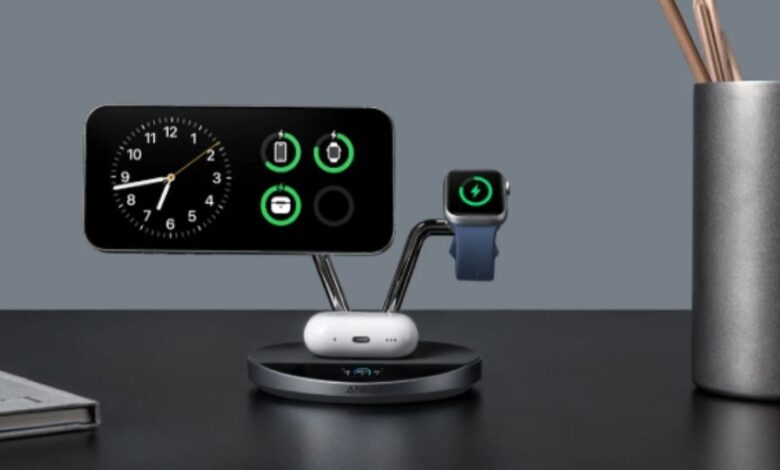
There are several types of wireless chargers available, catering to different needs and preferences. The most common type is the charging pad, which lies flat and requires the device to be placed on top. Other designs include the charging stand, which allows for a more ergonomic viewing angle while charging.
Charging Speed Considerations
When choosing a wireless charger, one consideration is charging speed. While early models were slower than traditional charging, advancements have led to quicker charge times. Many brands now offer fast-charging models that significantly reduce the time required to recharge batteries.
Environmental Impact
Opting for wireless chargers can also have positive environmental impacts. By reducing the number of cables utilised, it contributes to less electronic waste. Moreover, the durability of wireless products means less frequent disposal, further reducing environmental strain.
Future of Wireless Charging Technology
The future of wireless technology looks promising, with developments focusing on increasing efficiency and range. Exciting advancements include the possibility of charging multiple devices simultaneously and even charging over distances without the need for direct contact.
Conclusion
Wireless chargers represent a significant step forward in charging technology, providing unparalleled convenience and safety. As more devices adopt this form of energy transfer, users can look forward to a tidier, more efficient, and sustainable lifestyle. Whether at home or on the go, wireless chargers enhance the user experience by simplifying the process of keeping devices powered.