Damp Specialist London: Guide to Identifying, Treating, and Preventing Damp Problems

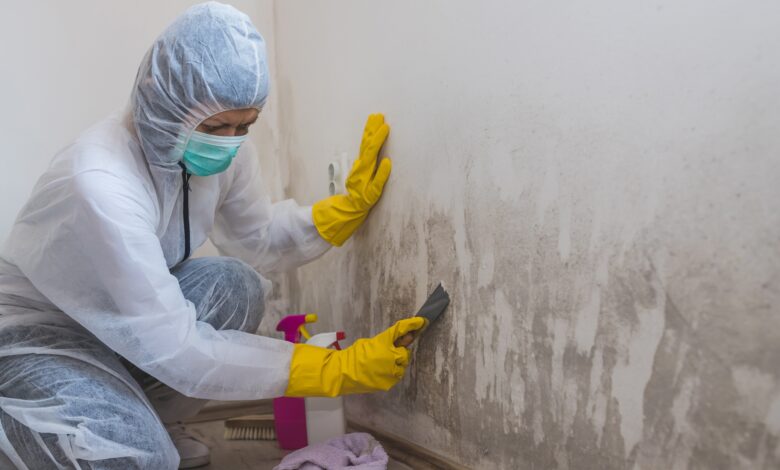
Damp is one of the most persistent and underestimated problems affecting residential and commercial properties. While it may initially appear as a minor cosmetic issue, damp can quickly evolve into a serious structural concern if left untreated. In cities with older architecture and varying weather conditions, such as London, damp-related issues are particularly common due to aging infrastructure, dense construction, and environmental exposure.
Understanding damp is not just about recognizing visible signs—it requires a deeper awareness of how moisture interacts with building materials and internal environments. Property owners who take damp seriously early on are far more likely to avoid extensive damage, costly repairs, and health-related complications.
This is why consulting a Damp specialist London is essential when dealing with any form of moisture intrusion. Professional expertise ensures accurate diagnosis and long-term solutions rather than temporary fixes that only address surface-level symptoms.
Understanding Damp: More Than Just Moisture
Damp is not a single problem but a category of issues caused by unwanted moisture entering or accumulating within a property. It can originate from internal activities, external weather conditions, or structural weaknesses within the building itself.
At its core, damp develops when moisture becomes trapped or continuously introduced into materials that are not designed to remain wet. Over time, this leads to degradation, discoloration, and the breakdown of essential structural components.
Buildings are designed to manage moisture through ventilation, insulation, and protective barriers. When any of these systems fail or become compromised, damp begins to form. This makes it crucial to view damp not as an isolated issue but as a symptom of a larger underlying problem.
Types of Damp and Their Causes
Rising Damp
Rising damp occurs when moisture from the ground travels upward through porous materials such as brick and mortar. This typically happens when the damp-proof course (DPC) is damaged, missing, or ineffective.
The moisture carries salts from the ground, which can leave visible marks and cause plaster to deteriorate. Rising damp is often found in older buildings where modern protective measures were not originally installed.
Penetrating Damp
Penetrating damp is caused by water entering a property through external defects. These may include cracked walls, damaged roofing, blocked gutters, or faulty drainage systems.
Unlike rising damp, penetrating damp can occur at any level of a building. It often becomes more noticeable during periods of heavy rain and can lead to localized damage if not addressed promptly.
Condensation Damp
Condensation is the most common type of damp in modern homes. It occurs when warm, moist air comes into contact with cooler surfaces, forming water droplets.
Poor ventilation, inadequate insulation, and everyday activities such as cooking and bathing contribute to high humidity levels. Over time, condensation can lead to mold growth and damage to interior surfaces.
How Damp Affects Property Structure
Damp has a gradual but destructive impact on building materials. Moisture weakens wood, causing it to rot and lose structural strength. Plaster and paint begin to deteriorate, while brickwork may become unstable due to prolonged exposure to water.
In severe cases, damp can compromise the integrity of load-bearing elements within a property. This not only affects the safety of the building but also significantly reduces its market value.
Structural damage caused by damp is often expensive to repair because it requires more than surface treatment. It involves restoring or replacing affected materials and addressing the root cause of moisture intrusion.
Health Implications of Damp Environments
Damp environments create ideal conditions for mold and mildew growth. These microorganisms release spores into the air, which can negatively affect indoor air quality.
Exposure to damp and mold is associated with respiratory problems, allergies, and skin irritation. Individuals with asthma or weakened immune systems are particularly vulnerable to these conditions.
Long-term exposure to damp living conditions can lead to chronic health issues, making it essential to address moisture problems as soon as they are detected. A healthy home environment depends on maintaining proper moisture balance and ventilation.
Why Professional Damp Assessment Is Crucial
Many property owners attempt to fix damp problems using temporary solutions such as repainting or applying sealants. While these methods may improve appearance temporarily, they do not eliminate the underlying cause of damp.
Professional assessment involves a detailed inspection of the property, including walls, floors, ceilings, and external structures. Specialists use advanced tools to measure moisture levels and identify hidden sources of damp.
Working with experts such as Crown Preservation ensures that the diagnosis is accurate and the treatment plan is tailored to the specific needs of the property. This approach not only resolves the current issue but also prevents future occurrences.
Modern Techniques Used in Damp Treatment
Damp treatment has evolved significantly with advancements in construction technology and diagnostic tools. Today, specialists use a combination of traditional methods and modern innovations to address moisture problems effectively.
Chemical damp-proof courses are commonly used to block rising damp by creating a barrier within the walls. Waterproof coatings and membranes are applied to prevent water penetration in vulnerable areas.
Improving ventilation systems is a key strategy for managing condensation damp. This may include installing extractor fans, air bricks, or mechanical ventilation systems to regulate humidity levels.
Thermal imaging and moisture mapping technologies allow specialists to detect damp without invasive procedures. These tools provide a clear understanding of how moisture is distributed within a building, enabling precise treatment.
Preventive Measures for Long-Term Protection
Preventing damp requires a proactive approach that combines regular maintenance with environmental awareness. Property owners should routinely inspect roofs, gutters, and drainage systems to ensure they are functioning properly.
Maintaining proper ventilation is essential for reducing indoor humidity levels. Opening windows, using extractor fans, and ensuring adequate airflow can significantly reduce the risk of condensation.
External walls should be checked for cracks or damage that could allow water to enter. Sealing these areas promptly helps prevent penetrating damp from developing.
Preventive measures not only protect the property but also reduce the likelihood of expensive repairs in the future.
The Importance of Early Detection
One of the most effective ways to manage damp is through early detection. Small signs such as slight discoloration or a faint musty smell should not be ignored.
Addressing damp at an early stage is far less costly and less disruptive than dealing with advanced structural damage. Early intervention also helps maintain the overall condition and value of the property.
Professional inspections can identify potential issues before they become severe, providing homeowners with peace of mind and long-term protection.
Damp in Urban Environments Like London
Urban environments present unique challenges when it comes to damp. High population density, older buildings, and varying weather conditions all contribute to moisture-related issues.
Properties in London often face additional risks due to limited airflow between buildings and increased exposure to pollution and rainfall. These factors make damp management more complex and require specialized knowledge.
This is why relying on a Damp specialist London is particularly important in urban settings. Their understanding of local building structures and environmental conditions allows them to provide more effective solutions.
Long-Term Value of Professional Damp Solutions
Investing in professional damp treatment offers long-term benefits that extend beyond immediate repairs. It helps preserve the structural integrity of the property, improves indoor air quality, and enhances overall living conditions.
Properties that are free from damp are more attractive to buyers and tenants, making damp control an important factor in maintaining property value.
Professional solutions also provide lasting results, reducing the need for repeated repairs and ongoing maintenance costs.
Final Thoughts
Damp is a complex issue that requires careful understanding and professional intervention. While it may begin as a minor inconvenience, it can quickly escalate into a serious problem affecting both property and health.
By recognizing the signs, understanding the causes, and seeking expert help, property owners can effectively manage damp and prevent long-term damage. Working with experienced professionals ensures that the issue is addressed at its source, providing lasting protection and peace of mind.
In today’s environment, where property maintenance and health awareness are more important than ever, addressing damp is not just a necessity—it is a responsibility.