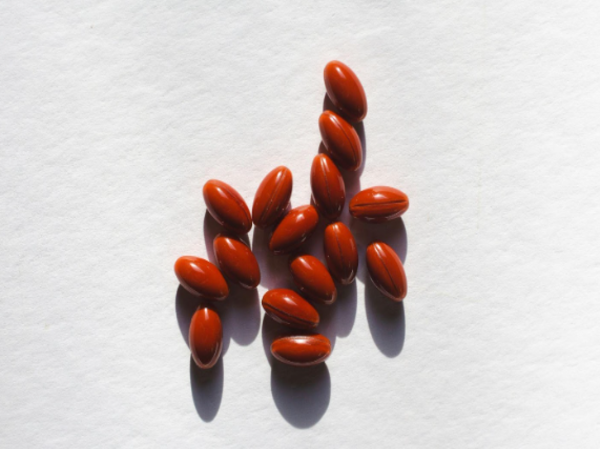
Across adulthood, the human body undergoes a variety of physiological shifts. Many people in midlife look for ways to support digestion, immunity, metabolic balance, and overall well-being. Among the wellness tools that receive frequent attention are probiotic supplements, which aim to influence the balance of microorganisms in the digestive tract. The popularity of probiotics has surged in recent years, prompting many to wonder whether these products are genuinely effective or simply another trend.
In discussions around probiotic supplementation and product efficacy, questions like is provitalize effective often appear online. Those discussions reflect broader curiosity about whether certain formulations or blends help address midlife shifts in health. Before engaging with any specific product claim, it’s useful to understand the scientific context of how probiotics may function and what current research suggests about their potential roles in midlife health.
What Are Probiotics and Why Do People Use Them?
Probiotics are live microorganisms, often specific strains of bacteria or yeast, that are intended to confer a health benefit when consumed in adequate amounts. They are commonly found in fermented foods such as yogurt, kefir, sauerkraut, and kimchi, and are also available as dietary supplements.
People may turn to probiotics for a range of reasons. Some of the most commonly cited motivations include supporting digestive balance, enhancing immune response, reducing occasional bloating or discomfort, and maintaining overall gut health. In midlife, when digestive patterns, hormone levels, and metabolic processes can shift due to aging and lifestyle factors, interest in supportive measures like probiotics often increases.
It’s important to note that the effects of probiotics are strain-specific and condition-specific. That means the impact a particular strain has on one physiological process may not translate to a different strain or a different health outcome.
Scientific Evidence: What We Know So Far
Research on probiotics has grown substantially over the last few decades. Early studies focused on acute conditions such as antibiotic-associated diarrhea, and some probiotic products have shown modest benefit in that area. More recently, investigators have explored the role of probiotics in broader contexts, including immune function, inflammatory responses, metabolic regulation, and gut-brain communication.
However, the overall picture remains nuanced. Some clinical trials indicate that certain strains of probiotics can help with specific digestive concerns, such as reducing the duration of mild diarrhea or supporting recovery after antibiotic use. Other studies suggest potential links between gut microorganisms and immune regulation, though the mechanisms and practical relevance for everyday supplementation remain areas of active inquiry.
When it comes to broader markers of well-being in midlife, such as metabolic rate, body composition, or long-term chronic disease prevention, the evidence is less conclusive. Many outcomes that matter to individuals in midlife are influenced by a mix of genetics, lifestyle factors (including diet and physical activity), stress, sleep quality, and environment. In this context, probiotics may play a complementary role, but they are not a standalone solution.
Midlife Health: A Multifactorial Landscape
The years between ages 40 and 60 are often associated with hormonal changes, shifts in body composition, and evolving patterns of digestion. Women, for instance, may experience changes related to perimenopause and menopause, including alterations in metabolic efficiency, gastrointestinal comfort, and immune activity. Men may notice shifts in muscle mass, energy levels, or appetite regulation.
Because these changes are multifactorial, they rarely stem from one isolated cause, and therefore solutions are rarely single-factor fixes. A comprehensive approach to midlife health typically includes balanced nutrition, regular physical activity, attention to sleep, stress management, and regular preventive health care.
In this broader context, probiotic supplements may be a tool, for instance, to support gut microbial diversity or digestive ease, but they are unlikely to address systemic changes on their own.
In this broader context, probiotic supplements may be a tool, for instance, to support gut microbial diversity or digestive ease, but they are unlikely to address systemic changes on their own. For broader metabolic support, some individuals also consider a uric acid cleanse supplement to help manage uric acid levels alongside other lifestyle strategies.
The Importance of Strain Specificity

One complexity of probiotic research is that not all probiotic strains behave the same way in the body. The term “probiotic” covers many species and subspecies, and the effectiveness of one strain does not imply that all strains have similar effects.
For example, Lactobacillus rhamnosus GG has been studied in the context of certain digestive conditions, while Bifidobacterium animalis may be referenced in research on specific immune markers. Because each strain interacts differently with the gut ecosystem, scientific results must be interpreted within the context of the specific organisms studied.
This nuance matters for consumers: a product that contains one strain may have different effects than a product containing another, even if both are labeled broadly as “probiotics.”
Safety Considerations
For most healthy adults, probiotic supplements and foods containing live cultures are generally considered safe when consumed within typical dietary patterns. Nonetheless, individual responses vary, and people with compromised immune systems, severe underlying health conditions, or serious gastrointestinal disease should consult a healthcare provider before beginning any new supplement regimen.
Some people report mild, transient digestive symptoms, such as gas or bloating, when they first begin taking probiotics. These sensations often diminish over time as the body adjusts, but persistent discomfort should be evaluated by a clinician.
Integrating Probiotics into a Healthy Routine
If someone chooses to include probiotic supplementation as part of a broader midlife wellness routine, there are a few contextual considerations that can support an evidence-informed approach.
First, combining probiotics with prebiotic foods (dietary fibers that feed beneficial gut bacteria), such as whole grains, legumes, fruits, and vegetables, supports a diverse gut environment. Second, viewing supplementation as one piece of a holistic health strategy, alongside balanced nutrition, physical activity, sleep, and stress management, helps situate any observable effects within a larger frame.
Finally, individuals should monitor their own responses over time rather than relying exclusively on expectations shaped by marketing or anecdote. Personal experience, when evaluated with consistency and attention, often provides insight into what supports comfort and balance for a particular body.
Midlife Wellness Beyond Probiotics
For many people transitioning through midlife, wellness is an integrative experience that includes emotional, social, and cognitive dimensions. Practices such as stress-reduction techniques, regular physical activity, community engagement, and preventive healthcare visits all contribute to a sense of well-being.
Probiotic supplements may have a role in supporting aspects of digestive balance or microbial diversity, but they work best when paired with these broader lifestyle habits. Recognizing that no single product or category, regardless of how it is discussed online, holds the entirety of midlife well-being in isolation helps ground expectations in real-world context. For a reliable scientific perspective on probiotics and their potential impact on human health, institutions like the National Institutes of Health (NIH) provide general information about how gut microorganisms interact with the body.