Encyclis: Revolutionizing Energy-from-Waste for a Sustainable Future
Transforming Residual Waste into Low-Carbon Energy and Reusable Materials

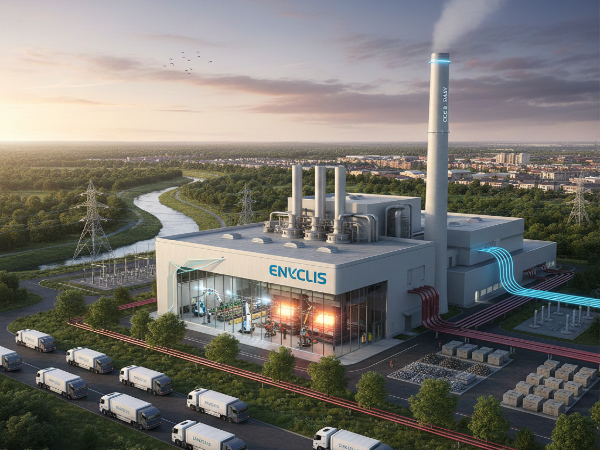
Encyclis is at the forefront of the energy-from-waste industry, transforming residual waste into low-carbon electricity, heat, and reusable materials. By integrating cutting-edge technologies with sustainable practices, Encyclis is not only reducing the environmental burden of waste but also contributing significantly to a circular economy. Through its innovative processes, the company ensures that waste, which would otherwise pollute landfills, becomes a valuable resource for communities, industries, and governments striving for carbon reduction and energy efficiency.
Introduction: The Rise of Energy-from-Waste Solutions
Waste management has always been a pressing challenge in modern society. Traditional methods of disposal, particularly landfilling, pose serious environmental threats, including greenhouse gas emissions and soil contamination. With urban populations growing and industrial production increasing, finding sustainable solutions for waste treatment is more critical than ever. Encyclis has emerged as a leading player in the energy-from-waste (EfW) sector, offering a viable alternative to conventional disposal methods while producing low-carbon energy and recovering reusable materials.
What is Encyclis?
Encyclis is a premier energy-from-waste service provider that converts residual waste into electricity, heat, and reusable resources. Formerly known as Covanta Europe, the company rebranded in 2023 to better reflect its mission of delivering sustainable and innovative waste solutions. Headquartered in Europe, Encyclis operates multiple facilities across the UK and Ireland, serving both urban and industrial waste management needs. By focusing on advanced EfW technologies, the company not only minimizes environmental impact but also maximizes resource recovery, embodying the principles of a circular economy.
How Encyclis Converts Waste into Energy
Collection and Sorting of Residual Waste
The process begins with the collection of residual waste—materials that cannot be easily recycled, such as certain plastics, food waste, and mixed household refuse. Encyclis facilities employ sophisticated sorting systems to remove recyclable items and separate hazardous materials, ensuring that only appropriate waste enters the energy recovery process.
Combustion and Heat Generation
Once sorted, the residual waste is combusted in high-temperature furnaces. This combustion generates intense heat, which is then used to produce steam. Unlike traditional incineration methods that simply dispose of waste, Encyclis’ system focuses on energy efficiency and emission control, ensuring minimal environmental impact.
Electricity Production
The generated steam drives turbines, producing electricity that can be fed into the national grid. This low-carbon electricity powers thousands of homes and businesses, providing a sustainable alternative to fossil fuels. Encyclis’ EfW plants are designed to operate continuously, delivering a reliable source of renewable energy to the communities they serve.
Heat Recovery and District Heating
In addition to electricity, Encyclis captures excess heat from the combustion process. This heat can be used in district heating networks, supplying warm water and heating to residential and commercial buildings. By utilizing both electricity and heat, Encyclis maximizes energy recovery from every ton of waste processed.
Resource Recovery: Metals and Ash
After combustion, residual materials such as metals and ash are extracted. Metals are recycled into industrial products, while ash can be processed into aggregates for construction. This step ensures that even the by-products of waste processing contribute to resource efficiency and sustainability.
The Environmental Impact of Encyclis
Reducing Landfill Dependence
Landfills are a major source of methane emissions, a potent greenhouse gas. By diverting residual waste from landfills, Encyclis significantly reduces methane production, contributing to climate change mitigation efforts. This approach also helps preserve valuable land and prevents soil and water contamination associated with traditional waste disposal.
Lowering Carbon Emissions
Encyclis’ energy-from-waste facilities are designed to minimize carbon emissions. Through advanced combustion techniques, efficient energy recovery, and the use of low-carbon fuels, the company reduces its carbon footprint while providing reliable energy. This aligns with global efforts to transition toward net-zero emissions and sustainable energy production.
Supporting Circular Economy Principles
A circular economy emphasizes the reuse and recycling of materials to reduce waste and environmental impact. Encyclis embodies this principle by recovering metals, ash, and other reusable materials from waste streams. By turning discarded items into valuable resources, the company reduces reliance on virgin materials and promotes sustainable industrial practices.
Technology and Innovation at Encyclis
Encyclis invests heavily in technology and innovation to optimize waste-to-energy processes. Advanced combustion systems, real-time monitoring, and emissions control technologies ensure that operations are both safe and environmentally responsible. The company also explores emerging innovations such as carbon capture and storage (CCS) and the use of sustainable fuels to further enhance environmental performance.
Carbon Capture and Storage (CCS)
CCS technology captures carbon dioxide produced during combustion and stores it safely underground or repurposes it for industrial use. Encyclis is pioneering CCS initiatives in Europe, aiming to make EfW an even cleaner source of energy and align with global carbon reduction targets.
Digital Monitoring and Automation
Encyclis facilities utilize state-of-the-art digital monitoring systems that track operational efficiency, emissions, and energy output in real-time. Automation improves precision in combustion, resource recovery, and safety management, ensuring optimal performance and environmental compliance.
Benefits of Encyclis’ Energy-from-Waste Services
-
Sustainable Energy Generation: Provides low-carbon electricity and heat to homes and businesses.
-
Waste Reduction: Reduces the amount of waste sent to landfills, lowering environmental impact.
-
Resource Recovery: Extracts metals and ash for recycling and industrial use.
-
Circular Economy Contribution: Promotes the reuse of materials, minimizing reliance on virgin resources.
-
Emission Control: Advanced technologies reduce harmful emissions and support climate goals.
-
Economic Benefits: Generates green jobs and contributes to local economies through energy production and material recovery.
Challenges in Energy-from-Waste and How Encyclis Addresses Them
While energy-from-waste offers many benefits, it also faces challenges such as public perception, regulatory compliance, and technological limitations. Encyclis addresses these challenges through:
-
Community Engagement: Educating local communities about the benefits and safety of EfW plants.
-
Strict Environmental Compliance: Meeting and exceeding government regulations for emissions and waste handling.
-
Continuous Innovation: Investing in new technologies to improve efficiency, reduce emissions, and expand resource recovery.
These efforts ensure that Encyclis not only provides energy but also maintains public trust and environmental responsibility.
Case Studies: Encyclis in Action
Walsall Energy Recovery Facility
The Walsall facility exemplifies Encyclis’ commitment to sustainability. It processes hundreds of thousands of tonnes of residual waste annually, producing electricity for tens of thousands of homes. Heat recovery initiatives also support local district heating networks, demonstrating the company’s integrated approach to energy and resource management.
Protos CCS Project
At the Protos facility, Encyclis is implementing carbon capture and storage technology to further reduce greenhouse gas emissions. This project highlights the company’s dedication to cutting-edge innovation and its role in Europe’s transition to a low-carbon economy.
The Future of Encyclis and Energy-from-Waste
Encyclis continues to expand its operations across Europe, investing in new facilities and technologies to meet growing waste management and renewable energy demands. The company’s vision includes:
-
Expanding EfW capacity to serve more communities.
-
Enhancing carbon capture technologies to achieve net-zero goals.
-
Innovating in heat recovery and industrial applications to maximize energy efficiency.
-
Supporting global sustainability initiatives and the circular economy through resource recovery.
With urbanization and industrialization increasing worldwide, the role of companies like Encyclis will become increasingly important in managing waste responsibly while producing sustainable energy.
Conclusion: Encyclis as a Leader in Sustainable Waste Management
Encyclis represents the future of waste management and energy production. By turning residual waste into electricity, heat, and reusable materials, the company addresses both environmental and energy challenges. Its commitment to technology, sustainability, and circular economy principles positions Encyclis as a leader in the energy-from-waste sector. For communities, governments, and industries seeking low-carbon energy solutions and responsible waste management, Encyclis provides a proven, innovative, and environmentally friendly path forward.