How Implementing Vehicle Tracking Systems Can Improve Business Efficiency and Reduce Costs

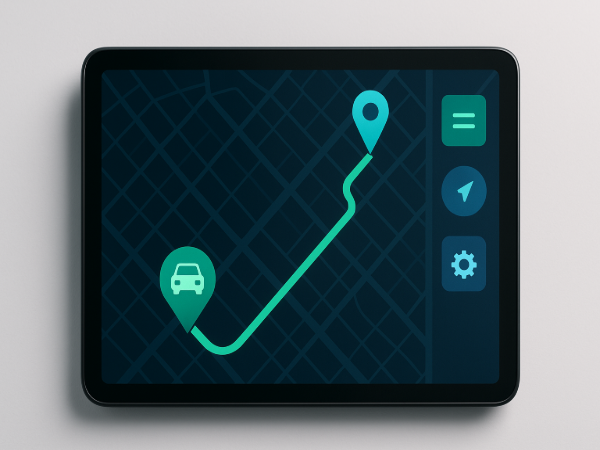
In an era where operational efficiency can define business success, implementing vehicle tracking systems is transformative. These systems offer real-time insights, optimising logistics and minimising costs. Businesses across the UK are harnessing these tools to elevate customer satisfaction and gain a competitive edge.
Business efficiency is a cornerstone of success, and integrating vehicle tracking systems is becoming increasingly vital. These systems provide comprehensive data analytics that streamline operations and enhance productivity. By implementing technologies like vehicle tracking, businesses can monitor their assets in real-time, leading to significant improvements in logistics, cost management, and customer service. Companies looking to maintain competitiveness must embrace these innovations to thrive in today’s dynamic environment.
Real-time data optimises logistics and delivery times
Incorporating vehicle tracking systems into your operations allows you to leverage real-time data to streamline logistics. This immediate access to information facilitates better decision-making and reduces delivery times, making it a game-changer for industries reliant on timely distribution. Whether you’re managing a fleet of delivery vans or coordinating a complex supply chain, the ability to track vehicles in real time ensures punctuality and enhances service reliability.
The benefits of optimised logistics extend across various sectors. Retailers can ensure shelves are stocked promptly, while manufacturing plants can receive materials just in time for production runs. This efficiency not only meets customer expectations but also minimises the downtime associated with delays. As businesses continue to adopt these technologies, they find themselves better positioned to meet the demands of a fast-paced market.
Vehicle tracking systems help reduce operational costs
Cost reduction is a significant advantage of using vehicle tracking systems. By analysing routes and driving patterns, these systems help reduce fuel consumption, one of the largest expenses for any fleet-operating business. Efficient route planning minimises unnecessary mileage, leading to substantial savings over time. Regular maintenance alerts generated by the system prevent costly repairs by addressing potential issues before they escalate.
You can also improve vehicle lifespan through proactive maintenance scheduling. This foresight reduces unexpected breakdowns, ensuring your fleet remains operational without interruptions. In adopting these strategies, companies not only cut costs but also enhance their overall sustainability by reducing carbon footprints associated with excessive fuel use.
Improved fleet management enhances customer satisfaction
Enhanced customer satisfaction is another critical benefit of employing vehicle tracking systems. When businesses deliver consistently on time, customer trust naturally builds. Reliable service fosters loyalty and encourages repeat business, essential components for long-term success in competitive markets.
Many companies have seen tangible improvements in service delivery after implementing these technologies. Timely updates and accurate ETAs provided by real-time tracking reassure customers about their deliveries’ progress. This transparency transforms how businesses interact with clients, allowing them to manage expectations effectively and handle inquiries more efficiently.