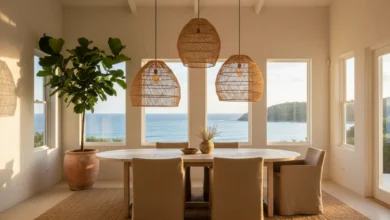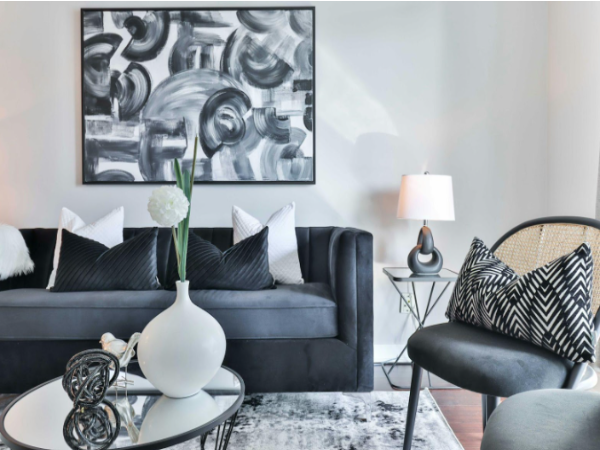
Renovation used to be the default answer for refreshing a space, but that mindset is changing. More people are discovering that meaningful design impact doesn’t always require demolition, dust, or large budgets. Small, intentional updates can completely change how a room feels and functions, often in a single afternoon. This shift toward low-commitment design is why solutions like custom removable wall decals are increasingly mentioned in conversations about modern interiors, not as a focal product, but as part of a broader movement toward flexible, renter-friendly transformation.
The power of small design changes lies in their ability to reset a space without locking it into a permanent decision.
Why Renovation Is No Longer the First Option
Renovations are expensive, time-consuming, and disruptive. Even minor projects can stretch into weeks, introduce unexpected costs, and limit how a space can be used during the process. For renters, renovation often isn’t an option at all.
As lifestyles become more dynamic, people are less interested in permanent changes that assume they’ll live the same way for years. Rooms now double as offices, workout areas, and creative spaces, sometimes all in the same week. This reality has driven a growing preference for updates that can evolve just as easily as daily routines.
Small design changes meet that need by offering visual impact without long-term commitment.
Visual Focus Changes Everything
One of the most effective ways to transform a room is by changing where the eye naturally lands. A space can feel entirely different when attention is redirected, even if the layout stays the same.
A new focal point, whether created through wall treatment, color contrast, or placement of décor, can redefine how a room is perceived. Instead of feeling flat or dated, the space gains structure and intention. This kind of visual reset often delivers more impact than replacing furniture or reworking layouts.
What matters most is not scale, but placement and contrast.
Walls as a Design Tool, Not a Background
Walls are often treated as passive elements, yet they hold enormous potential for transformation. Adjusting what appears on a wall can instantly change a room’s personality, mood, and perceived size.
Temporary wall treatments allow for experimentation without risk. Patterns, textures, or graphic elements can introduce depth and movement where none existed before. Because these changes aren’t permanent, people feel more comfortable exploring bolder ideas they might otherwise avoid.
This freedom to experiment is one of the key reasons non-permanent wall updates have become so popular in modern design.
Lighting Adjustments Shift Atmosphere Instantly
Lighting is another small change with outsized influence. The same room can feel cold or inviting depending on light temperature, direction, and intensity. Swapping harsh overhead lighting for layered light sources can dramatically alter how a space is experienced.
Warm lighting creates comfort, while directional lighting adds depth and emphasis. Even without changing fixtures, adjusting bulb type or adding a single accent light can transform a room’s atmosphere.
Lighting changes work especially well in spaces that feel visually stagnant, bringing dimension without altering structure.
Texture Creates Warmth Without Clutter
Texture is often overlooked in minimalist or neutral spaces, yet it plays a critical role in how a room feels. Introducing texture through soft furnishings, wall accents, or layered materials adds warmth and interest without overwhelming the space.
Unlike large furniture changes, texture updates are subtle. They influence how light interacts with surfaces and how comfortable a room feels, both visually and physically. This makes texture an ideal tool for refreshing a space without adding clutter or committing to permanent changes.
The effect is often felt more than seen, which is why it works so well.
Flexibility Encourages Personal Expression
One of the biggest barriers to design experimentation is fear of regret. Permanent changes make people cautious, often leading to safe, generic choices. Flexible design elements remove that pressure.
When updates can be reversed or adjusted easily, people are more likely to personalize their spaces. This leads to interiors that feel more authentic and reflective of the people living in them. Personal expression becomes part of the design process rather than something postponed for a future renovation.
This shift toward flexibility has reshaped how people approach home design, especially in rental or transitional living situations.
Small Changes Support Evolving Lifestyles
Modern living spaces need to adapt. A guest room may become a home office, then a nursery, then something else entirely. Small design changes support this evolution without requiring constant overhauls.
By relying on elements that can be updated, moved, or removed, rooms remain responsive to life changes. Design becomes a living process rather than a fixed outcome. This adaptability reduces stress and cost while keeping spaces functional and visually engaging.
It also aligns with a more sustainable approach to design, where fewer materials are wasted on permanent changes that may not last.
Psychological Impact of Refreshing a Space
Refreshing a room isn’t just about aesthetics. It has a measurable effect on mood and motivation. New visual input can make a familiar space feel energizing again, improving focus and comfort.
Environmental psychology research frequently highlights how surroundings influence emotional well-being. According to insights shared by Architectural Digest, even modest interior updates can positively affect how people experience and interact with their spaces, reinforcing the value of thoughtful, small-scale design changes.
When a room feels intentional, it supports better daily experiences without requiring major intervention.
Cost Efficiency Without Sacrificing Impact
Small design updates are often far more cost-effective than renovation, yet they can deliver a comparable sense of renewal. This makes them accessible to a wider range of people, regardless of housing situation or budget.
Instead of saving for years to justify a major project, people can make incremental improvements that keep their spaces feeling current and enjoyable. Over time, these small changes add up to a space that feels curated rather than neglected.
Cost efficiency also encourages creativity, shifting focus from what can be purchased to how elements are combined and displayed.
Redefining What “Transformation” Means
Transformation doesn’t have to mean tearing down walls or replacing floors. In modern design, transformation is often about perception, flexibility, and intention. Small changes can reframe how a room is used, how it feels, and how people connect with it.
By embracing updates that don’t require renovation, people gain more control over their spaces. Design becomes approachable, adaptable, and personal rather than intimidating or final.
In a world where homes must evolve alongside their occupants, small design changes are no longer a compromise. They are a smarter, more responsive way to transform a room.