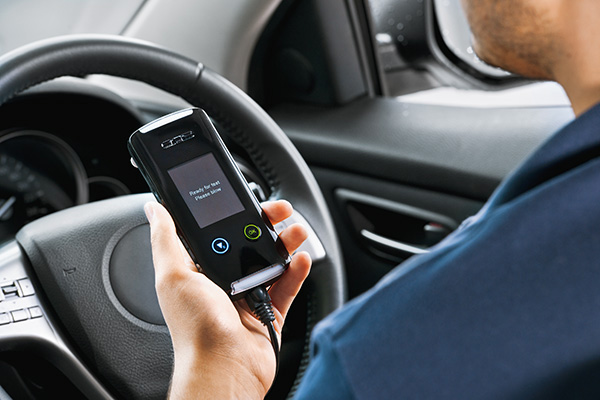
In recent years, alcohol ignition interlock systems have emerged as a pivotal measure in the battle against drink-driving incidents on Australian roads. By acting as both deterrent and preventative measure, these devices are instrumental in ensuring that only sober individuals operate motor vehicles, thereby significantly reducing the risk of accidents caused by drivers under the influence of alcohol.
Understanding Alcohol Ignition Interlocks
An alcohol ignition interlock is a breathalyser integrated into the ignition system of a vehicle. The device requires the driver to provide a breath sample before the vehicle can be started. If the blood alcohol concentration (BAC) detected in the sample is above a pre-set limit, the interlock prevents the engine from starting. Thus, the device ensures that the vehicle can only be operated by a driver who is legally sober.
Legislative Support and Framework
Australian states and territories have embraced alcohol ignition interlock programs as an effective countermeasure against drink-driving. These programs mandate the installation of interlock devices as part of court sentences and administrative orders for individuals convicted of high-range, repeat, or other serious drink-driving offences. In many jurisdictions, these programs are a prerequisite for regaining full driving privileges post-offence.
Improving Road Safety
The primary objective of alcohol ignition interlock devices is to enhance road safety across the nation. By preventing vehicles from being operated by intoxicated individuals, these systems significantly reduce the likelihood of alcohol-related traffic collisions. Statistical data supports this claim, indicating a noticeable decrease in repeat offences among individuals who have participated in interlock programs.
Technology Behind Interlock Devices
The technology underpinning alcohol ignition interlocks is both advanced and reliable. The devices are equipped with fuel cell sensors that accurately measure the alcohol content in a breath sample. Modern interlocks are tamper-proof, meaning they can detect and prevent attempts to bypass the system. Additionally, many devices are now equipped with cameras and GPS tracking to ensure compliance with court-ordered driving restrictions.
Challenges and Considerations
Despite their benefits, some challenges are associated with the implementation of alcohol ignition interlocks. These include the cost of installation and maintenance, as well as the potential inconvenience for users. However, these drawbacks are often outweighed by the safety benefits and the potential to save lives by preventing drink-driving incidents.
Impact on Recidivism
Studies conducted in regions where interlock programs are prevalent indicate a significant reduction in recidivism rates among offenders required to use these devices. This suggests that interlocks not only prevent immediate risk but also contribute to long-term behavioural change among users.
Community and Societal Benefits
Beyond individual safety, alcohol ignition interlocks provide broader community benefits. By curbing drink-driving incidents, these systems contribute to safer roads, which in turn can lead to reduced healthcare costs and less strain on emergency services. Communities see fewer tragic accidents, thereby fostering a greater sense of public safety and community wellbeing.
Future of Alcohol Ignition Interlocks
As technology advances, the future of alcohol ignition interlocks promises even greater integration and effectiveness. Innovations are likely to focus on making devices more user-friendly and cost-effective, thus increasing their accessibility and adoption. Continued legislative support will be crucial in expanding these programs and ensuring their success in reducing drink-driving incidents.
Public Perception and Acceptance
Public perception of alcohol ignition interlocks has generally been positive, as these devices are increasingly seen as a reasonable response to the persistent problem of drink-driving. Advocacy efforts continue to educate the public about the benefits of interlocks, helping to dispel any misconceptions and fostering widespread acceptance.
Conclusion
Alcohol ignition interlocks play a vital role in enhancing road safety across Australia. By preventing intoxicated individuals from operating vehicles, these devices mitigate the risks associated with drink-driving. With continued legislative backing and technological advancements, alcohol ignition interlocks will remain a key element of road safety strategies, ultimately saving lives and making roads safer for all users.