The importance of clever design in urban settings cannot be overstated. With rising populations and limited space, the modern city demands innovative solutions that are both functional and aesthetically pleasing. One such solution that has gained traction in recent years is the use of adjustable pedestals. These versatile components are revolutionising the way architects and designers approach urban landscaping and construction projects.
What Are Adjustable Pedestals?
Adjustable pedestals are engineered supports that elevate and stabilise surfaces such as decking, paving, and flooring. They offer an adaptable base that can be easily altered to suit various height requirements and surface conditions. This flexibility makes them particularly advantageous in urban environments where gradient and uneven surfaces are commonplace.
Advantages of Using Adjustable Pedestals
One of the key benefits of adjustable pedestals is their ability to create level surfaces in challenging terrain. This is essential in urban areas where ground shifts or slopes are frequent. By using these pedestals, construction projects can maintain a uniform appearance and functionality without extensive groundwork alterations.
Design Flexibility
The integration of adjustable pedestals allows for a high degree of design flexibility. They enable architects to experiment with various configurations and layouts, fostering creativity in space utilisation. This capability is invaluable in crafting outdoor areas that are both innovative and practical.
Environmental Considerations
Environmentally, adjustable pedestals provide substantial benefits. They minimise the need for disruptive groundworks, thereby preserving the integrity of the natural landscape. Moreover, their use can facilitate the installation of sustainable drainage systems, which are crucial in urban areas to manage stormwater effectively.
Applications in Urban Settings
Urban settings frequently encounter obstacles that can be efficiently addressed through adjustable pedestals. Rooftop terraces, public walkways, and outdoor recreational spaces are some areas where these pedestals have been utilised to the greatest effect.
Rooftop Applications
Rooftop spaces offer a unique opportunity to expand urban living spaces. Adjustable pedestals allow these areas to be transformed into functional spaces, such as gardens or relaxation zones, without imposing excessive weight on structures. This adaptability can significantly enhance the usability of rooftop areas.
Urban Landscaping
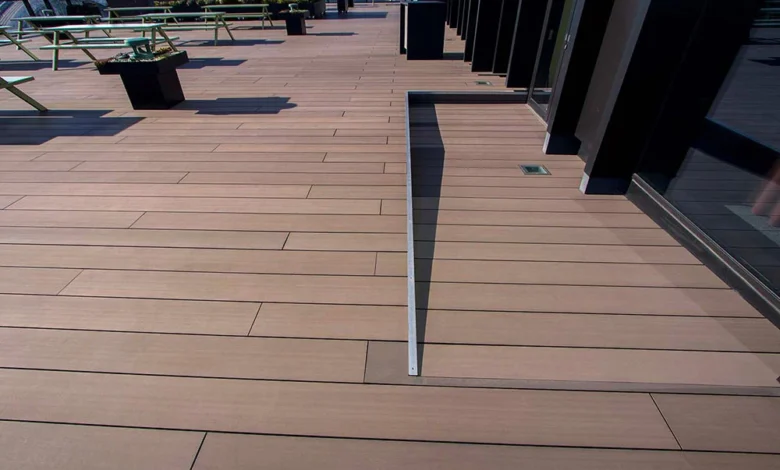
In urban landscaping, adjustable pedestals are ideal for supporting materials like timber decking or stone paving. They provide a stable, easy-to-install solution that accommodates the intricacies of modern landscape design.
Economic Implications
From an economic perspective, the use of adjustable pedestals can lead to cost savings in both the short and long term. The ease of installation reduces labour costs and construction time, while their durability and adaptability minimise maintenance expenses over time.
Cost-Effective Solutions
With urban developers focusing on budget efficiency, adjustable pedestals present a cost-effective solution that does not compromise on quality or safety. Their implementation can streamline the construction phase, thereby accelerating project completion timelines.
Challenges and Considerations
Despite their many advantages, adjustable pedestals do pose certain challenges. It is essential to select the right type of pedestal for specific project requirements to ensure optimal performance. Furthermore, comprehensive planning and precise installation are necessary to maximise their benefits.
Conclusion
Adjustable pedestals are proving to be a profound innovation in urban design, offering numerous benefits across various applications. As designers and builders continue to explore the potential of these elements, it is expected that their use will continue to grow. Ultimately, the clever application of adjustable pedestals will play a significant role in shaping more sustainable, efficient, and visually appealing urban environments.