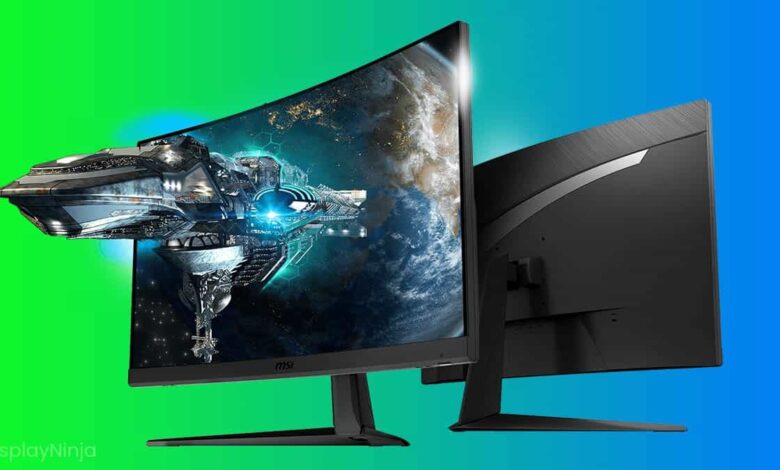
In the world of gaming, having the right equipment is crucial for a superior gaming experience. One of the most important pieces of hardware is the gaming monitor. A well-chosen monitor can greatly enhance your gameplay, providing vibrant colours, fast response times, and a seamless refresh rate that keeps up with the action.
Understanding Monitor Specifications
When selecting a gaming monitor, it is essential to understand the various specifications that impact performance. These factors include resolution, refresh rate, response time, and panel technology, each contributing to how games are rendered and how smooth the visuals appear.
Resolution and Screen Size
The monitor’s resolution determines the clarity of the images displayed. Common resolutions for gaming monitors include Full HD (1920×1080), Quad HD (2560×1440), and 4K (3840×2160). A higher resolution offers a sharper picture, especially beneficial for large screen sizes. It’s vital to balance resolution with the size of the monitor to ensure the right level of detail and immersion.
Refresh Rate Explained
The refresh rate, measured in hertz (Hz), indicates how often the screen updates with new information per second. Higher refresh rates result in smoother motion and are important for fast-paced games. Typical refresh rates are 60Hz, 120Hz, and 240Hz, with many gamers opting for at least 144Hz for a competitive edge.
Response Time Matters
Response time is the speed at which pixels change from one colour to another, usually measured in milliseconds (ms). Lower response times mean less motion blur and clearer visuals during fast action sequences. For gamers, a response time of 5ms or less is usually preferable.
The Role of Panel Technology
Monitors generally feature three types of panel technologies: Twisted Nematic (TN), In-Plane Switching (IPS), and Vertical Alignment (VA). TN panels offer the fastest response times but poorer colour accuracy. IPS panels provide better colour and wider viewing angles, making them ideal for most gamers, while VA panels offer the best contrast ratios.
Connectivity and Compatibility
Modern gaming monitors come equipped with various ports, such as HDMI, DisplayPort, and USB-C, to connect with gaming consoles and PCs. Ensuring that your gaming monitor has the appropriate ports for your setup is crucial for functionality and convenience.
Adaptive Sync Technologies
Adaptive sync technologies, such as NVIDIA’s G-Sync and AMD’s FreeSync, synchronise the monitor’s refresh rate with the GPU. This eliminates issues like screen tearing and stuttering, resulting in a smoother gaming experience. Identify which technology your graphics card supports before purchasing a monitor.
Design and Ergonomics
Aside from technical specifications, the design and ergonomics of a gaming monitor can greatly impact comfort and aesthetics. Considerations include adjustability of height, tilt, pivot, and swivel, as well as the monitor’s overall design and bezels.
Curved vs Flat Screens
Curved monitors can enhance immersion by providing a more panoramic view, which can be particularly appealing for racing simulations and RPGs. However, they may not be suitable for all types of gaming, and some users prefer the traditional flat screen.
Additional Features
Modern gaming monitors often boast extra features such as built-in speakers, USB hubs, RGB lighting, and specialised gaming modes. While these are not essential, they can enhance your gaming setup and provide additional convenience.
Budget Considerations
With the wide range of gaming monitors available, they vary significantly in price. It’s important to set a budget that considers both the essential features and any additional options that could enhance your experience. It’s possible to find excellent options within every price bracket, so take the time to compare features and reviews.
Longevity and Future-Proofing
As technology advances rapidly, future-proofing your investment is another factor to consider. Opt for a monitor with features that will remain relevant for several years to avoid frequent upgrades. Keeping an eye out for emerging technologies that could benefit your gaming experience might also be wise.
Choosing the perfect gaming monitor involves a combination of technical understanding and personal preference. By considering these various factors, you can ensure that your choice will provide an optimal gaming experience tailored to your individual needs and preferences.